I’m Ferb Vu, and I’ve worked with a wide range of native and ornamental plants. But few natives have charmed me like Vaccinium Ovatum, also known as Evergreen Huckleberry. If you’ve ever thought about growing a native shrub that works in both wild and formal settings, this one might be for you. Below are the most common questions I get—and ask myself—about this versatile Pacific Northwest plant.
488 Species in Genus Vaccinium
What Is Vaccinium Ovatum?
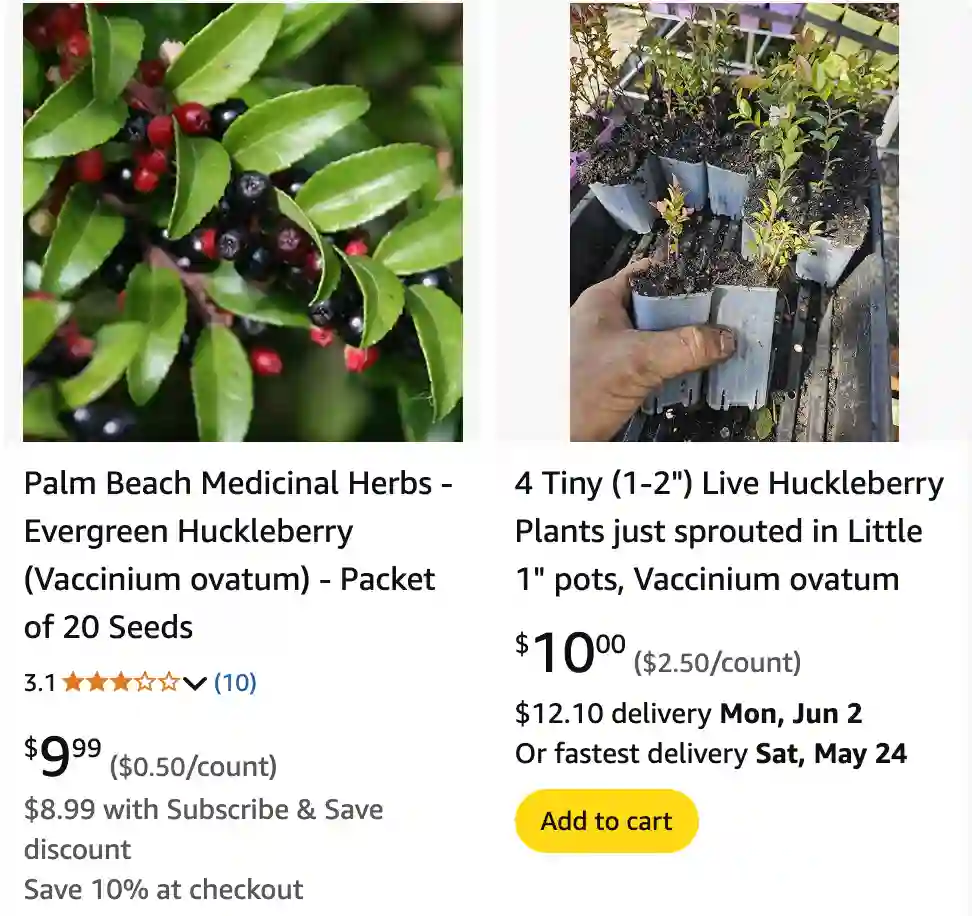
Vaccinium Ovatum is a broadleaf evergreen shrub native to the Pacific Northwest, from California to British Columbia. It belongs to the Ericaceae family, which also includes blueberries, rhododendrons, and heathers. Its small, glossy leaves are dark green with reddish new growth, and it produces edible black or dark purple berries that taste like wild blueberries.
I grow it mostly for its form and berries—but pollinators, birds, and even humans benefit from it. The berries are delicious in jams and pies, and the spring flowers attract native bees and butterflies.
How Big Does Vaccinium Ovatum Get?
In my experience, it grows slowly, but steadily. In ideal woodland settings, it can reach 6 to 8 feet tall, sometimes up to 10 feet in shade. In sunnier spots or containers, it stays shorter—around 3 to 4 feet. I prune it lightly every couple of years to maintain shape and encourage bushier growth.
Its upright, vase-like form makes it ideal for hedges, woodland borders, or even foundation plantings. It doesn’t spread aggressively, which gives it great design flexibility.
Is Vaccinium Ovatum Edible?
Yes. And yes again.
The berries are safe and tasty for humans. I’ve found their flavor a bit more complex than store-bought blueberries—less sweet, with earthy undertones. Wildlife loves them too. Thrushes, jays, and waxwings feast on the berries in late summer and fall.
You can eat them fresh or freeze them. They’re great in pancakes, muffins, or just as trailside snacks when hiking.
How Does Vaccinium Ovatum Compare to Blueberries?
This comes up a lot. Here’s how I see it.
| Trait | Vaccinium Ovatum | Blueberry (Vaccinium corymbosum) |
|---|---|---|
| Native Range | Pacific Northwest | Eastern/Northern US |
| Evergreen? | Yes | No (deciduous) |
| Fruit Taste | Earthy, mild sweet | Sweet, mild tart |
| Soil Needs | Acidic, well-drained | Acidic, moist |
| Wildlife Value | High | High |
| Shade Tolerance | Excellent | Low to Moderate |
For my shady garden beds, Vaccinium Ovatum wins. For heavy fruit production in full sun, blueberries might be the better choice.
What Soil and Light Conditions Does It Prefer?
Like most Ericaceous plants, Vaccinium Ovatum prefers acidic, well-drained soil. It grows naturally in coastal forests, so I mimic that by mulching with leaf litter or pine needles. Avoid heavy clay or alkaline soils. I’ve seen chlorosis happen when the pH creeps too high.
As for light, it’s one of the few native edibles that thrives in shade. In deep shade, it grows leggy but still flowers and fruits. In dappled light or morning sun, it’s lusher and berries are more abundant.
How Do I Care for Vaccinium Ovatum?
It’s low-maintenance. Here’s my quick checklist:
- Water: Regular during the first year, drought-tolerant once established.
- Mulch: Organic mulch improves moisture and keeps roots cool.
- Prune: Minimal—remove dead wood or shape as needed in winter.
- Fertilizer: I use a mild acid-loving plant fertilizer once in spring if needed.
It doesn’t like root disturbance, so I plant it where it can settle in for the long haul.
Is Vaccinium Ovatum Deer Resistant?
From what I’ve observed, deer mostly leave it alone. Young plants might get a nibble here and there, but mature ones tend to be ignored. This makes it a reliable choice for woodland edge gardens or native restoration sites where deer pressure is real.
Can It Be Used in Landscaping?
Absolutely. I’ve used Vaccinium Ovatum in Japanese-inspired designs, pollinator gardens, and urban landscapes. Its glossy foliage gives structure all year, and the berries and flowers add seasonal interest.
It also pairs beautifully with:
- Sword Fern (Polystichum munitum)
- Salal (Gaultheria shallon)
- Red-flowering Currant (Ribes sanguineum)
These native companions echo its natural habitat and offer visual harmony.
How Does Vaccinium Ovatum Compare to Salal?
Another solid native comparison. Here’s how I break it down:
| Feature | Vaccinium Ovatum | Salal (Gaultheria shallon) |
|---|---|---|
| Growth Habit | Upright | Spreading, mounding |
| Evergreen | Yes | Yes |
| Edible Fruit | Yes | Yes, more seedy |
| Use in Design | Formal + Wild | Best in wild/naturalized |
| Light Tolerance | High | High |
For more formal landscapes, I prefer Vaccinium Ovatum. For a groundcover under trees, Salal wins.
Final Thoughts: Why I Keep Growing Vaccinium Ovatum
Vaccinium Ovatum checks so many boxes: native, evergreen, edible, shade-tolerant, drought-resilient, and beautiful. It’s not showy in a flashy way. But it’s elegant, adaptable, and deeply rooted in the Pacific Northwest’s natural beauty.

If i die, water my plants!