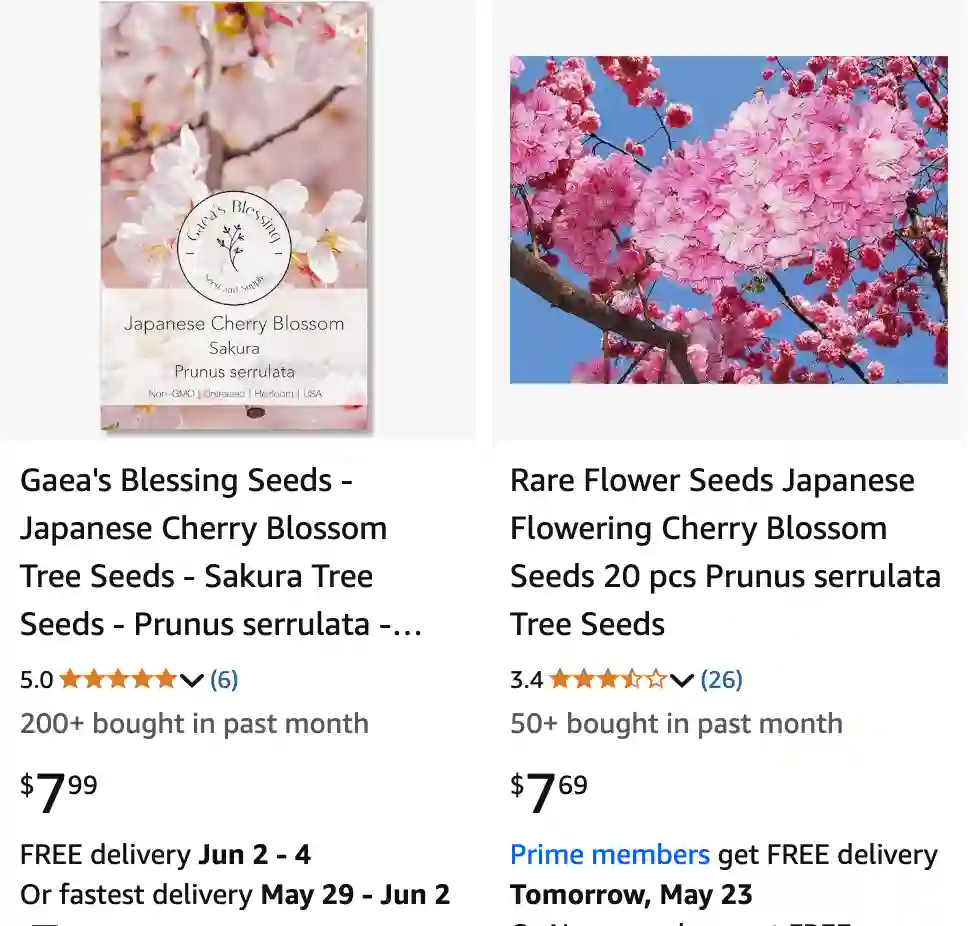
When I first got into gardening, I was drawn to Prunus Serrulata—also known as the Japanese Cherry Blossom tree—because of its stunning blooms and elegant form. Over the years, I’ve learned a lot about this iconic tree, so I’m sharing my personal insights in this FAQ to help you get to know it better.
390 Species in Genus Prunus
What Is Prunus Serrulata?
Prunus Serrulata is a species of cherry tree native to Japan, Korea, and China. It’s famous for its spectacular springtime blossoms that paint the landscape in shades of pink and white. The tree is a deciduous ornamental, meaning it sheds its leaves in fall and bursts with flowers in early spring.
I love how this tree combines delicate beauty with a stately presence in any garden or park. The flowers often bloom before the leaves emerge, creating a breathtaking floral display. The petals are usually double-layered, giving them a fluffy, cloud-like appearance.
How Does Prunus Serrulata Compare to Prunus Avium?
When I was choosing between cherry trees, I often got asked about the difference between Prunus Serrulata and Prunus Avium, the wild sweet cherry.
Prunus Serrulata is primarily grown for its ornamental value—the flowers are showy and prolific but the fruit is small and generally not edible. In contrast, Prunus Avium produces larger, tasty cherries used in cooking and fresh eating but has less dramatic flowering.
If you want a tree that shines in spring with stunning blossoms, Prunus Serrulata is your pick. But if you want fruit as well as flowers, Prunus Avium might be more suitable.
What Are the Best Growing Conditions for Prunus Serrulata?
I’ve found that Prunus Serrulata thrives best in well-drained soil with good organic content. It prefers full sun but tolerates partial shade, though too much shade can reduce flowering.
The tree likes moderate moisture—neither too dry nor waterlogged. In my experience, it’s important to avoid soggy soil, which can cause root rot. Mulching around the base helps retain moisture and keeps roots cool.
Because it’s a temperate species, Prunus Serrulata is hardy in USDA zones 5 to 8. It does well in mild climates but may struggle with extreme heat or harsh winters.
How Tall and Wide Does Prunus Serrulata Grow?
Prunus Serrulata generally reaches between 15 to 25 feet in height, with a similar spread. Some cultivars can grow larger or smaller depending on their genetics and growing environment.
I’ve seen it used both as a standalone specimen tree and in groups for a cherry blossom grove effect. Its size makes it versatile—large enough to make a statement, but small enough for many residential gardens.
How Do You Prune and Care for Prunus Serrulata?
Pruning is key to keeping Prunus Serrulata healthy and attractive. I usually prune in late winter or early spring before the buds open. This helps shape the tree and remove any dead or crossing branches.
Avoid heavy pruning because it can reduce flowering the following year. Instead, focus on thinning dense areas to improve air circulation and light penetration.
Water deeply during dry spells, especially in the first few years after planting. Fertilize lightly in early spring with a balanced fertilizer to encourage growth and blooms.
What Are the Common Diseases and Pests Affecting Prunus Serrulata?
I’ve had some challenges with pests like aphids and caterpillars. These can cause leaf distortion or chew damage. Regular monitoring and organic treatments like insecticidal soap help keep infestations in check.
Fungal diseases such as powdery mildew and leaf spot sometimes appear in humid conditions. Ensuring good airflow through pruning and avoiding overhead watering has helped me reduce fungal problems.
How Does Prunus Serrulata Compare to Sakura?
“Sakura” is a Japanese term for cherry blossoms and often refers to the cultural tradition surrounding these trees, especially Prunus Serrulata. In practice, many cultivars of Prunus Serrulata are called Sakura trees.
From my experience, when people say “Sakura,” they often mean Prunus Serrulata or its hybrids, celebrated for their ornamental beauty during Japan’s famous cherry blossom festivals.
Can You Eat the Fruit of Prunus Serrulata?
Unlike some other cherry species, the fruit of Prunus Serrulata is usually small, bitter, and not considered edible. The tree’s main appeal lies in its flowers, not its fruit.
If you’re looking for edible cherries, species like Prunus Avium or Prunus Cerasus (sour cherry) would be better choices.
What Are Popular Cultivars of Prunus Serrulata?
I personally love the cultivars ‘Kanzan’, ‘Shogetsu’, and ‘Amanogawa’:
- Kanzan: Known for large, deep pink double flowers and a broad, vase-shaped form.
- Shogetsu: Has white to pale pink flowers and a graceful, arching habit.
- Amanogawa: A columnar form with pale pink blossoms, perfect for tight spaces.
Each cultivar offers unique aesthetics, so I recommend picking one that suits your garden’s style and space.
How Long Do Prunus Serrulata Blossoms Last?
The flowering period typically lasts about one to two weeks, depending on the weather. I’ve noticed cool, calm weather helps extend the bloom time, while rain or strong wind can shorten it.
Even after the petals fall, the tree continues to put on a show with fresh green leaves that turn beautiful shades of yellow and red in autumn.
Can Prunus Serrulata Be Grown in Containers?
Yes, I’ve successfully grown young Prunus Serrulata trees in large containers. It requires careful watering and fertilization because container soil dries out faster.
For long-term container growth, choosing dwarf or smaller cultivars like ‘Amanogawa’ works best. Make sure the pot has good drainage and place it in a sunny spot.
Final Thoughts on Prunus Serrulata
For me, Prunus Serrulata embodies the magic of spring. Its stunning blossoms bring joy and a reminder of nature’s beauty each year. While it demands some care and attention, the reward is a spectacular display that brightens any landscape.
Whether you’re a beginner or a seasoned gardener, this cherry tree is a wonderful addition. Just remember to match the right cultivar with your climate and space, and enjoy the delicate beauty of your own little sakura moment.

If i die, water my plants!