Hi, I’m Ferb Vu, and if you’re like me, you’re always looking for unique, low-maintenance plants that thrive without fuss. Eryngium Yuccifolium, also known as Rattlesnake Master, is one of those standout perennials that has found a permanent place in my native plant garden. Here’s a personal take in FAQ format on what you should know if you’re considering adding this fascinating plant to your landscape.
What Is Eryngium Yuccifolium?
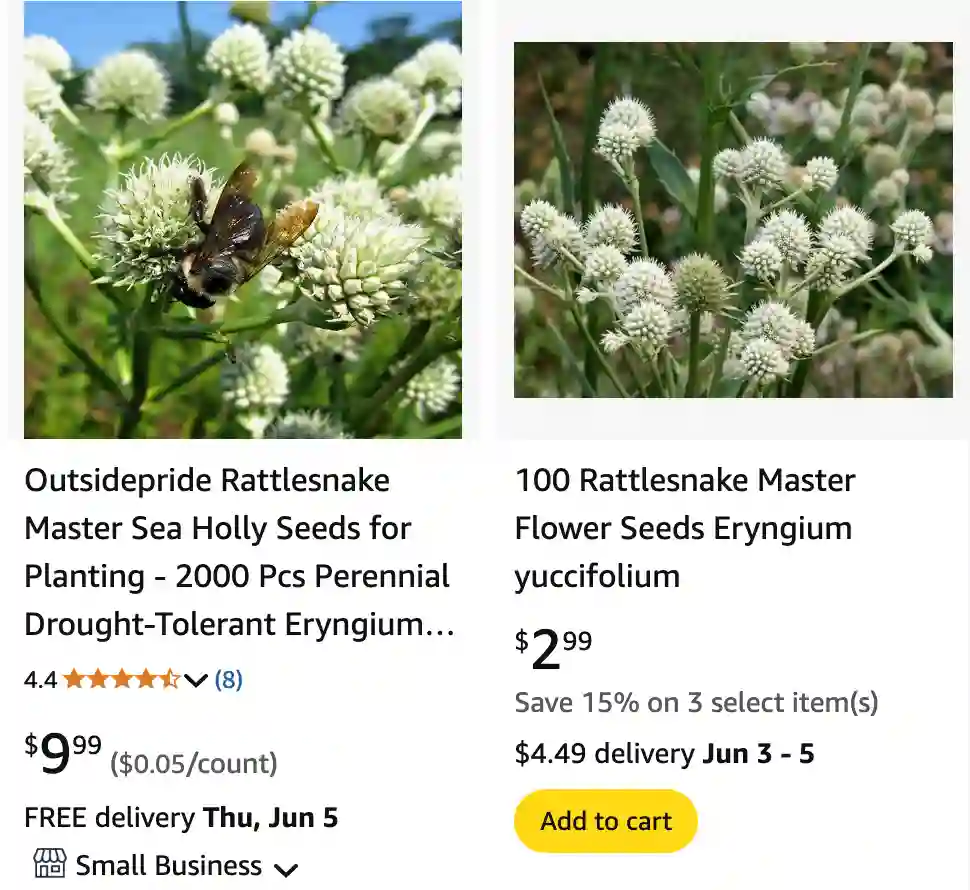
Eryngium Yuccifolium is a clump-forming perennial native to the prairies and open woodlands of North America. It gets its name from its sword-like, yucca-resembling leaves, and the tall, rigid stems topped with spiny, globe-shaped flower heads that resemble thistles or teasels.
The first time I planted it, I was blown away by its ability to attract pollinators. From bees to butterflies, it turned my garden into a buzzing haven. It belongs to the Apiaceae family, which includes carrots and parsley, but you wouldn’t guess that by looking at it.
How Tall Does Eryngium Yuccifolium Get?
In my experience, Eryngium Yuccifolium reaches between 3 to 5 feet tall. Its flower stalks stretch upright and rigidly, making it ideal for the middle or back of a garden bed. The basal leaves stay low, under a foot tall, but the dramatic flower spikes tower above.
What Type of Soil and Light Does It Prefer?
This plant thrives in full sun and handles a variety of soils, but well-drained soil is key. I’ve grown it in clay and sandy loam—both worked, but drainage made the difference. It’s remarkably drought-tolerant, which makes sense given its prairie heritage. If you want low water consumption and strong root structure, this is a winner.
Does Eryngium Yuccifolium Attract Wildlife?
Absolutely. In my native planting schemes, this plant consistently draws native bees, wasps, butterflies, and beneficial insects like soldier beetles. I’ve even seen goldfinches visiting the seed heads in late summer. It’s a pollinator magnet and boosts ecosystem services in the garden.
Is It Invasive?
No, it’s not invasive. I’ve found that it clumps rather than spreads aggressively. You can divide it every few years, but I actually like leaving it to naturalize lightly. It self-seeds modestly, but not in an overbearing way.
How Does Eryngium Yuccifolium Compare to Yucca?
They look similar from a distance—those spiky leaves fool people. But Yucca is a monocot in the Asparagaceae family, while Eryngium is a dicot in the carrot family. Yucca has thicker, fleshier leaves and usually blooms with bell-shaped flowers. Eryngium has finer leaves with marginal fibers and spiky globes. If you’re looking for the prairie-native, wildlife-friendly version, Eryngium is your pick.
How Does It Compare to Eryngium Planum or Sea Holly?
I’ve grown both, and here’s the scoop. Eryngium Planum (Blue Sea Holly) has striking blue flowers and silvery stems, making it a favorite for ornamental gardens. However, Eryngium Yuccifolium is hardier, more native-focused, and better adapted to Midwestern and Eastern U.S. conditions. It may not have the same metallic blue hue, but it’s unbeatable in native and xeriscape designs.
When Does It Bloom?
In my zone 6 garden, Eryngium Yuccifolium starts blooming in mid to late summer—usually around July—and continues through August. The flower heads are greenish-white and spiky, aging into a tan that looks great in fall textures. They hold up well in dried arrangements, too.
Is Eryngium Yuccifolium Deer Resistant?
Yes. This is one of the top deer-resistant perennials in my garden. I’ve never seen bite marks or damage, even when the rest of the garden gets sampled. The coarse, spiny texture just doesn’t appeal to deer.
Can I Use It in a Pollinator or Prairie Garden?
It belongs there. I use Eryngium Yuccifolium in my prairie matrix plantings alongside Echinacea, Rudbeckia, Asclepias, and Schizachyrium. It works as an accent or vertical texture in native meadow settings. Plus, it supports native Lepidoptera like the Rattlesnake Master Borer Moth, which is specialized to this plant.
How Do I Maintain Eryngium Yuccifolium?
Easy—cut back the stalks in late fall or early spring. I usually leave the seed heads for winter structure and bird interest. I don’t fertilize it, and it thrives in lean soils. Overwatering or over-fertilizing can lead to flopping, which is the only real issue I’ve seen.
Is It Medicinal or Historically Used?
Yes, the common name “Rattlesnake Master” comes from historical use by Native Americans who believed it could treat snakebites. There’s no modern medical validation, but it adds folklore charm to its botanical profile.
Why Do I Keep Growing It?
For me, it hits every mark: low maintenance, native, striking form, pollinator power, and year-round visual interest. It’s not just a pretty face; it’s a functional, resilient plant. Whether in formal designs or wild plantings, Eryngium Yuccifolium earns its spot.
Final Thoughts
Eryngium Yuccifolium is one of those plants I always recommend. If you’re working with native gardens, wildlife habitats, or dry soil conditions, this plant performs. It plays well with other forbs, warm-season grasses, and drought-tolerant species. It fits into permaculture, restoration ecology, and even minimalist design due to its architectural presence.

If i die, water my plants!