Hi, I’m Ferb Vu, and I want to share everything I’ve learned about Agapanthus Praecox. This beautiful plant has fascinated me for a while, and I get asked many questions about it. Whether you’re new to gardening or already an enthusiast, I hope my experience helps you understand this plant better.
What Is Agapanthus Praecox?
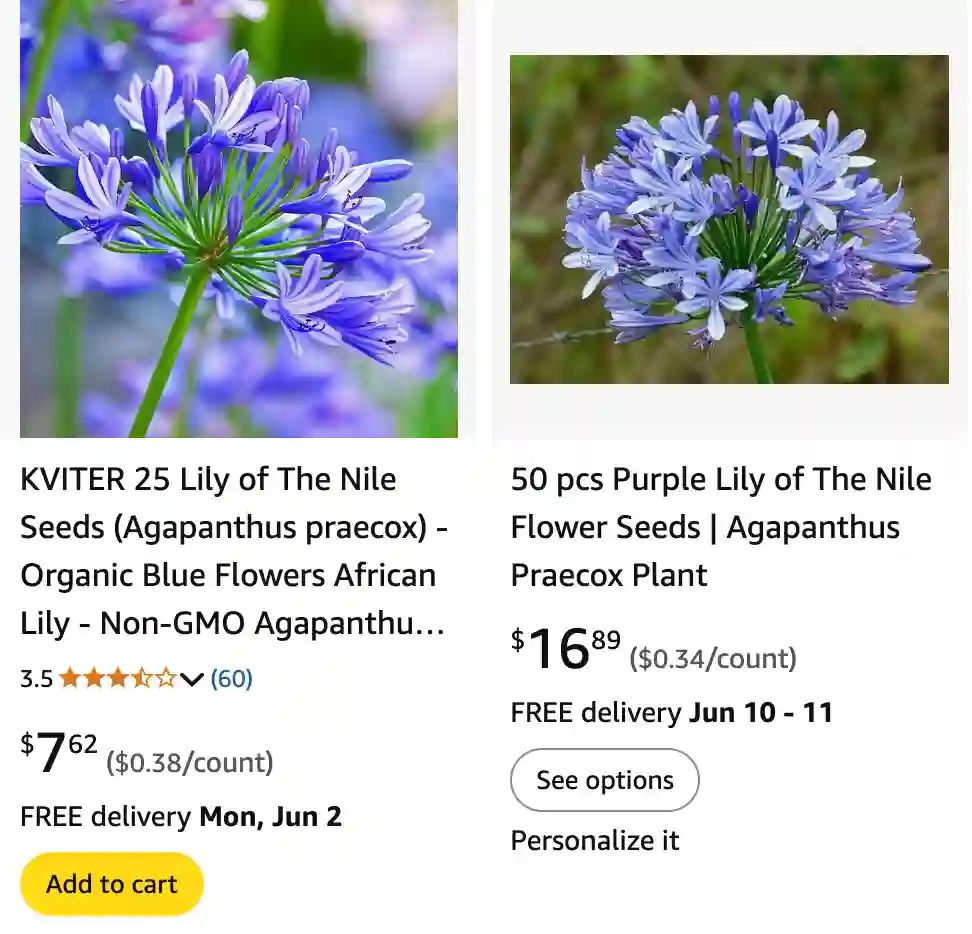
Agapanthus Praecox is a perennial plant native to South Africa. Sometimes called the African Lily or Lily of the Nile, it’s loved for its striking blue or white flower clusters. In my garden, it stands out with its tall, slender stalks and broad, strap-like leaves. It thrives in warmer climates but can adapt to various conditions, making it popular worldwide.
How Do I Care for Agapanthus Praecox?
I’ve found Agapanthus Praecox to be fairly low-maintenance. Here’s what works for me:
- Sunlight: It loves full sun but tolerates partial shade. I usually plant mine where it gets at least 6 hours of sunlight daily.
- Water: Water moderately. During the growing season, keep the soil moist but never soggy. It handles dry spells well once established.
- Soil: Prefers well-draining soil. I mix some compost in to enrich the ground.
- Fertilizer: A balanced fertilizer in early spring helps boost growth and flowering.
- Pruning: I trim dead flowers and leaves to keep the plant tidy and encourage new blooms.
How Does Agapanthus Praecox Compare to Other Agapanthus Species?
I often get asked how Agapanthus Praecox differs from other species, like Agapanthus Africanus or Agapanthus Campanulatus.
- Agapanthus Praecox tends to grow taller (up to 3 feet) with larger flower clusters.
- Its flowers appear earlier in the season (“praecox” means early blooming).
- Compared to Africanus, Praecox is hardier in colder climates.
- Campanulatus has bell-shaped flowers, whereas Praecox’s blooms are more tubular.
If you want a showy, reliable plant for your garden, Praecox is often the best choice.
Can Agapanthus Praecox Be Grown Indoors?
I’ve tried growing it indoors, and it can work but with some challenges. It needs:
- A bright spot with direct sunlight.
- A pot with good drainage.
- Controlled watering to avoid root rot.
I found it easier to grow Agapanthus Praecox outdoors because it likes space and natural airflow. Indoors, it may grow slower and bloom less.
Is Agapanthus Praecox Deer-Resistant?
If you live in an area with deer like I do, you’ll be glad to know this plant is generally deer-resistant. Deer tend to avoid its thick leaves and strong scent. However, no plant is 100% safe if deer populations are large or hungry.
What Are Common Problems with Agapanthus Praecox?
In my experience, Agapanthus Praecox is pretty tough, but here are some issues I’ve encountered:
- Pests: Sometimes, snails or slugs nibble the leaves.
- Diseases: Root rot can happen if soil drains poorly.
- Lack of blooms: If it gets too much shade or too little fertilizer, flowers may be sparse.
Keeping the soil well-drained and placing the plant in a sunny spot usually avoids most problems.
How Does Agapanthus Praecox Compare to Hydrangeas?
People often wonder how Agapanthus Praecox stacks up against hydrangeas since both produce large clusters of flowers.
- Agapanthus has slender, grassy leaves while hydrangeas have broad, deciduous leaves.
- Agapanthus is drought-tolerant once established; hydrangeas need more regular watering.
- Praecox blooms in early summer; hydrangeas bloom later and can continue into fall.
- Hydrangea flowers are usually larger and softer in color, while Agapanthus has smaller, tubular, vibrant blue or white blooms.
If you want a plant with a clean, architectural look, Agapanthus is great. For a softer, bushier appearance, hydrangeas may suit better.
Can Agapanthus Praecox Spread Aggressively?
Yes, Agapanthus Praecox can spread by rhizomes. In my garden, it has slowly formed clumps over time. While it’s not invasive like some plants, it’s good to monitor its growth to prevent it from overtaking smaller plants.
How Do I Propagate Agapanthus Praecox?
Propagation is simple and rewarding. I usually divide the clumps in early spring or fall:
- Dig up the root ball carefully.
- Separate the rhizomes with some roots attached.
- Replant the divisions in prepared soil.
This method gives new plants that bloom within a year or two.
Is Agapanthus Praecox Suitable for Coastal Gardens?
I live near the coast and have planted Agapanthus Praecox several times in sandy, salty conditions. It performs very well. It tolerates salty winds and dry soil, making it ideal for seaside gardens. Just ensure good drainage to avoid root rot from saltwater exposure.
What Wildlife Does Agapanthus Praecox Attract?
I love that Agapanthus Praecox invites pollinators. Bees and butterflies frequent its flowers. It doesn’t attract pests like aphids or caterpillars much, which is a big plus in my garden.
Final Thoughts
In my years caring for Agapanthus Praecox, I’ve come to appreciate it as a robust, beautiful, and versatile plant. It works well as a border, a container plant, or a stand-alone specimen. Whether you want color, structure, or wildlife attraction, this plant delivers with minimal fuss.

If i die, water my plants!