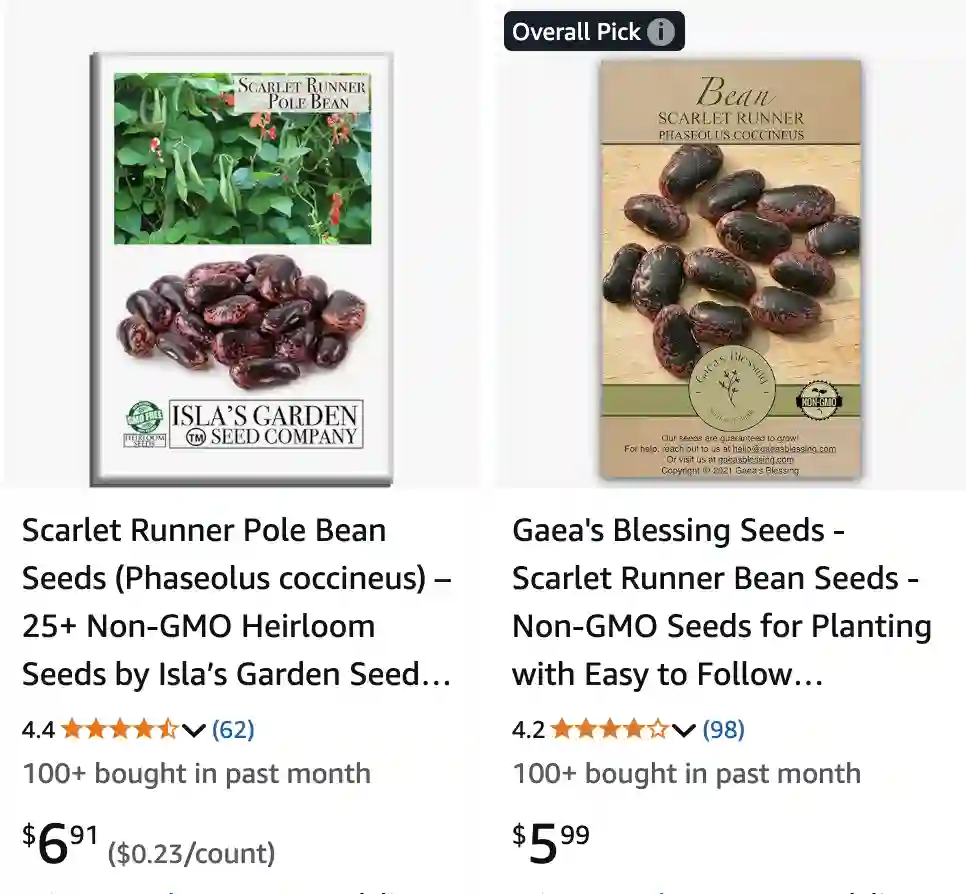
Phaseolus Coccineus, commonly known as the Scarlet Runner Bean, has fascinated me both as a gardener and plant enthusiast. I’ve grown it in my backyard for years and love its dual purpose—both ornamental and edible. Below are the most common questions I’ve been asked about this plant, and I’ll share my honest, firsthand insights.
What Is Phaseolus Coccineus?
Phaseolus Coccineus is a climbing perennial bean native to Central America and Mexico. Most people know it as the Scarlet Runner Bean due to its brilliant red flowers. I usually grow it as an annual, although in mild climates, it can overwinter. It’s in the Fabaceae family, so it’s a legume, which means it fixes nitrogen and improves soil health. That alone makes it worth planting.
How Do I Grow Phaseolus Coccineus?
Growing Phaseolus Coccineus is simple. I sow the seeds directly in late spring when the soil warms. It thrives in full sun and well-drained soil. I make sure to give it a tall trellis because it grows fast—sometimes reaching over 10 feet in a season. Consistent moisture is key. I’ve found that a good mulch layer helps retain water and keeps the roots happy.
Is Phaseolus Coccineus Edible?
Absolutely. Both the pods and beans are edible. When young, the pods are tender and good steamed or sautéed. Once mature, the seeds turn a gorgeous purple-black and are great in soups or dried for winter use. That said, I always boil mature seeds thoroughly—they contain lectins, which can be toxic if undercooked.
How Is It Different from Common Beans (Phaseolus Vulgaris)?
I’ve grown both Phaseolus Coccineus and Phaseolus Vulgaris, and the differences are clear:
- Size: Scarlet Runner grows larger and climbs higher.
- Flowers: Coccineus has bold, scarlet-red blossoms; Vulgaris is modest.
- Climate Adaptation: Coccineus prefers cooler summers and handles light frost better.
- Perennial Nature: Unlike Vulgaris, which is strictly annual, Coccineus can overwinter in mild zones (USDA 7+).
The flowers alone make Coccineus worth the space. Pollinators—especially hummingbirds and bees—flock to it.
Can It Be Grown in Containers?
Yes, but with effort. I’ve grown Phaseolus Coccineus in large containers (at least 15 gallons) with a strong support system. The plant demands space and regular feeding. Use a rich potting mix with compost. Watering can be tricky—too little and it wilts, too much and the roots rot.
Is Phaseolus Coccineus Good for Pollinators?
Absolutely. In my garden, it’s a magnet for hummingbirds, honeybees, and native bees. The flowers are rich in nectar and bloom for weeks. If you’re building a pollinator-friendly garden, this plant belongs in it. I’ve seen pollination rates for nearby crops go up when this bean is in bloom.
How Does It Compare to Hyacinth Bean (Lablab Purpureus)?
Good question—I’ve grown both. Here’s how they stack up:
- Flowers: Lablab has lilac-purple blooms; Coccineus has vivid red.
- Edibility: Both are edible, but Lablab requires more processing due to higher toxicity if undercooked.
- Growth Habit: Both are climbers, but Coccineus grows thicker and bushier.
- Hardiness: Scarlet Runner is slightly more cold-tolerant.
If you want a tropical flair, Lablab is fun. But for reliability and pollinator support, Phaseolus Coccineus wins for me.
Is It Invasive?
In my experience—no. It grows fast but is easy to control. Once frost hits, the top growth dies back. Unlike kudzu or morning glory, it doesn’t spread aggressively or form a seed bank that lasts years. I simply cut it back in fall and compost the vines.
Can I Save Seeds from Phaseolus Coccineus?
Yes, and I do it every year. Let the pods dry fully on the vine. Then, I shell the beans and store them in paper envelopes in a cool, dry place. One tip: cross-pollination with other bean varieties is possible, so if you want pure strains, grow them apart or use isolation techniques.
What Are the Companion Planting Benefits?
Phaseolus Coccineus fixes nitrogen, so I plant it near corn, squash, or even brassicas. It thrives in the “Three Sisters” method when paired with corn and squash. I’ve noticed that the increased soil nitrogen boosts the health of nearby plants—especially leafy greens.
Can I Eat the Flowers?
Technically, yes. The flowers are edible and mildly bean-flavored. I sometimes use them as a garnish on summer salads. They’re a great way to impress guests while staying connected to your own garden. Just don’t over-harvest—pollinators need those blossoms too.
Does It Work as an Ornamental?
Definitely. It’s one of the most beautiful edible plants I’ve grown. The red flowers climb and twine around trellises and arbors, making it ideal for vertical gardens. I often plant it just for the aesthetics. Bonus: it screens fences and walls with living beauty.
Final Thoughts
Phaseolus Coccineus checks all the boxes—beauty, productivity, and environmental value. Whether you’re a food grower, a pollinator advocate, or someone who just loves vibrant color, this plant delivers. I’ve had years of joy growing it, and I always find something new to love about it each season.

If i die, water my plants!