Hi, I’m Ferb Vu, and today I want to share what I’ve learned and experienced with Schismatoglottis Wallichii, a fascinating and underrated tropical plant. If you’re curious about this species or want to compare it to similar plants, this FAQ article will cover the most common questions I get and some personal opinions to help you decide if it’s right for your collection.
What Is Schismatoglottis Wallichii?
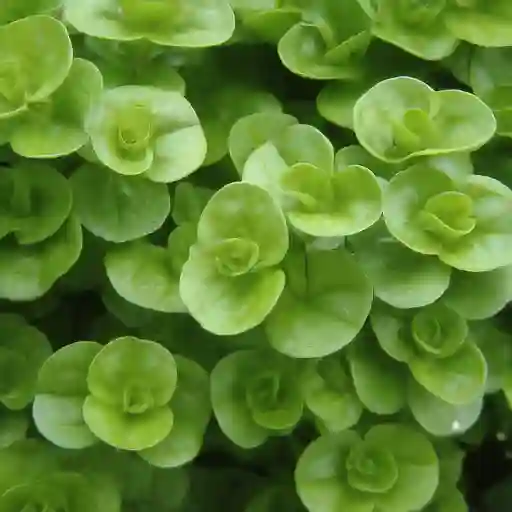
Schismatoglottis Wallichii is a tropical plant from the Araceae family, native to Southeast Asia. It features large, glossy leaves that have a subtle texture and rich green hues. It’s not as well-known as other aroids like Monstera or Philodendron, but I’ve found it to be a charming alternative, especially if you want something a bit different.
What attracted me to Schismatoglottis Wallichii is its compact size combined with striking foliage. The leaves are broad but not overwhelming, and the plant tends to grow in a clumping manner, making it perfect for indoor spaces or shaded garden corners.
How Does Schismatoglottis Wallichii Compare to Monstera or Philodendron?
People often ask me how Schismatoglottis Wallichii stacks up against popular houseplants like Monstera or Philodendron. While Monstera is famous for its dramatic leaf splits and Philodendron for its variety, Schismatoglottis Wallichii offers a different vibe.
Unlike Monstera’s fenestrations, Schismatoglottis Wallichii has smooth, undivided leaves with a leathery feel. It’s less about bold architectural shapes and more about subtle elegance. Compared to Philodendron, which often has heart-shaped or deeply lobed leaves, this plant is more uniform and lush in its leaf shape. I appreciate this uniformity because it adds a calm, understated green texture to my plant corner without stealing all the attention.
What Are the Ideal Growing Conditions for Schismatoglottis Wallichii?
From my experience, Schismatoglottis Wallichii thrives in warm, humid environments. It loves indirect light — direct sunlight can scorch its leaves quickly. I keep mine near an east-facing window where it gets morning light but is shielded during the hotter afternoon hours.
The soil should be well-draining but able to retain moisture. I use a peat-based mix with some perlite for aeration. Watering is moderate; I make sure the top inch of soil dries out before watering again. The plant responds well to misting, especially in dry indoor air.
Humidity is key. I’ve noticed that Schismatoglottis Wallichii’s leaves stay vibrant and healthy when humidity is above 60%. If your home is dry, consider using a humidifier or placing a pebble tray with water beneath the pot.
How Fast Does Schismatoglottis Wallichii Grow?
Growth speed depends a lot on the environment, but in my setup, Schismatoglottis Wallichii grows steadily, not too fast but consistent enough to see changes over weeks. It’s not a rapid grower like some Philodendrons or Pothos, but its steady growth suits those who prefer a low-maintenance pace.
When conditions are ideal, I see new leaves every few weeks during the growing season. In winter, growth slows down, which is normal. I like this predictable rhythm because it keeps the plant manageable without constant pruning.
Does Schismatoglottis Wallichii Require Special Care?
Not really. Compared to other aroids, Schismatoglottis Wallichii is forgiving. It doesn’t demand complex feeding schedules or strict light setups. I feed mine monthly with a balanced liquid fertilizer during the growing season. It tolerates occasional neglect but rewards consistent care with richer leaf colors and new growth.
One thing I keep an eye on is pests — like spider mites or aphids — especially if humidity drops. A quick spray of neem oil or insecticidal soap usually keeps pests in check.
Can Schismatoglottis Wallichii Be Grown Outdoors?
If you live in a tropical or subtropical climate, Schismatoglottis Wallichii can thrive outdoors under shade or filtered light. I’ve grown it in a shaded garden bed with partial morning sun, and it did well as a groundcover, thanks to its spreading habit.
In cooler climates, it’s best kept as a houseplant or in a greenhouse, because it doesn’t tolerate frost or cold drafts. If you want to try it outside, ensure temperatures stay above 50°F (10°C), and protect it from direct, harsh sunlight.
How Does Schismatoglottis Wallichii Compare to Other Schismatoglottis Species?
Schismatoglottis is a diverse genus, and Wallichii stands out for its size and leaf texture. Compared to Schismatoglottis Picta, which has more variegated or patterned leaves, Wallichii’s foliage is simpler but more substantial.
I find Wallichii less “busy” visually but more versatile for blending with other green plants. If you like more contrast, Picta or other patterned species might appeal to you more. For a stable, classy green presence, Wallichii fits perfectly.
Is Schismatoglottis Wallichii Rare or Hard to Find?
In my experience, it’s not as widely available as Monstera or Philodendron, but it’s becoming easier to find at specialty plant shops or online aroid nurseries. The rarity adds a bit of appeal for collectors who want something unique but not too exotic to care for.
Can Schismatoglottis Wallichii Be Propagated Easily?
Yes, propagation is straightforward. I propagate mine by division during repotting. You can gently separate the clumps with roots attached and pot them individually. It roots quickly and resumes growth, making it rewarding for growers who want to multiply their collection or share plants.
Final Thoughts on Schismatoglottis Wallichii
I’ve grown several tropical plants, and Schismatoglottis Wallichii stands out as a reliable, elegant, and low-fuss addition to my plant family. Its glossy, broad leaves bring a calm tropical feel without needing excessive care or space. If you want a green companion that’s both sturdy and beautiful, I highly recommend giving Schismatoglottis Wallichii a chance.

If i die, water my plants!