Hi, I’m Ferb Vu, and today I want to share what I’ve learned about Rhus Glabra, commonly known as Smooth Sumac. Over time, many people have asked me various questions about this fascinating plant—its safety, identification, uses, and how it compares to related species like Rhus Typhina (Staghorn Sumac). I’ll dive into the most common FAQs I’ve encountered and shed light on some myths and facts. Let’s get right into it.
What is Rhus Glabra?
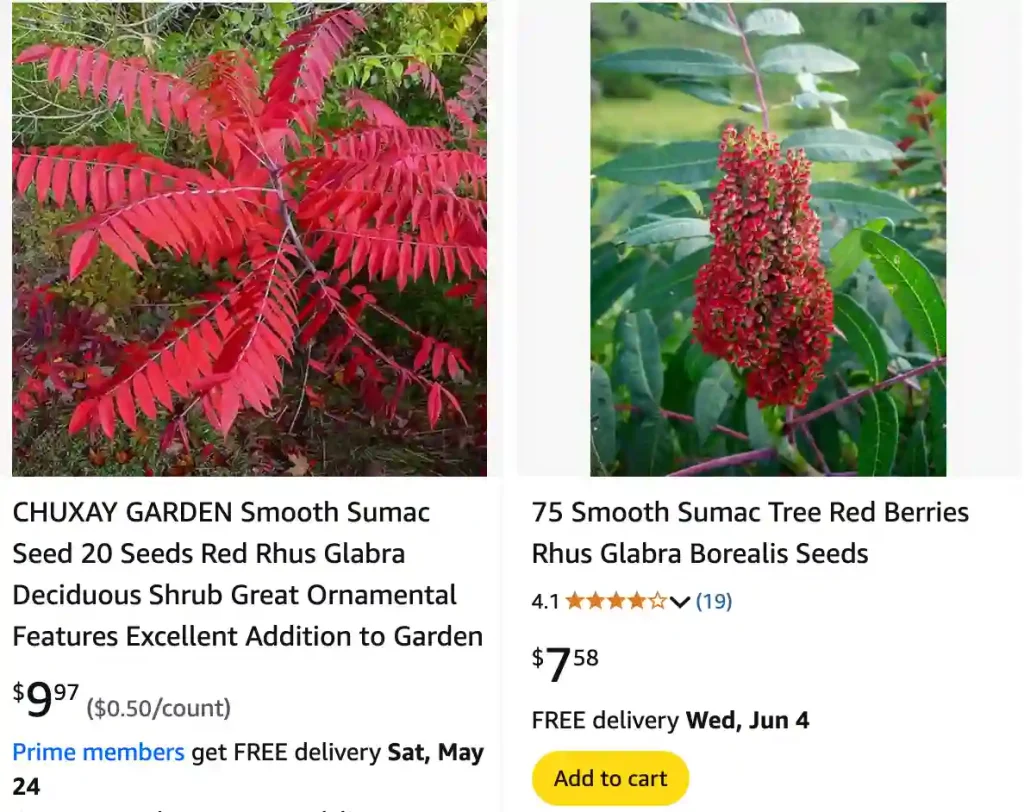
Rhus Glabra is a deciduous shrub or small tree native to North America. It grows mainly in open fields, roadsides, and disturbed areas. I love this plant for its striking, dense clusters of bright red berries that persist into winter and its finely textured, pinnate leaves. It’s also a significant ecological species, attracting birds and wildlife.
Is Rhus Glabra Poisonous?
This question comes up a lot, and I get it—some plants in the sumac family can cause allergic reactions or are outright toxic. The good news is Rhus Glabra is not poisonous in the typical sense. Unlike poison sumac (Toxicodendron vernix), which contains urushiol and causes severe skin reactions, Rhus Glabra is generally safe to touch and even edible.
The berries of Rhus Glabra are tart but can be made into a refreshing lemonade-like drink. Native Americans have used it for centuries in traditional medicine and food. However, as with any wild plant, individual allergic reactions are possible. If you’re harvesting, wash your hands afterward and avoid touching your face, especially if you have sensitive skin.
How to Identify Rhus Glabra vs Rhus Typhina?
One of the most common comparisons I’ve seen is Rhus Glabra vs Rhus Typhina. Both are sumacs and look similar, but they have distinct differences:
- Rhus Glabra (Smooth Sumac): The stems are smooth, hence the name. Leaves are long, with many narrow leaflets. The branches are hairless or nearly so, giving it a sleek look.
- Rhus Typhina (Staghorn Sumac): This one is famous for its fuzzy, hairy stems that resemble the velvety antlers of a stag, hence the name. The leaves are larger and coarser. The fuzzy stems are the easiest way to tell the two apart at a glance.
I’ve spent hours studying both in the wild, and once you get familiar with the tactile difference, identifying them is straightforward. The fruit clusters of both are similar—bright red and dense—but Rhus Typhina tends to be larger and more robust.
What Are the Ecological Benefits of Rhus Glabra?
Rhus Glabra plays a crucial role in the ecosystem. I’ve observed how its berries feed birds like robins and cedar waxwings during the colder months when food is scarce. The dense thickets provide shelter for small mammals and insects.
The plant’s extensive root system helps prevent soil erosion, making it valuable for land reclamation and stabilizing disturbed soils. In my experience, Rhus Glabra thrives in poor, dry soils where many other plants struggle.
Can Rhus Glabra Be Used Medicinally or Culinary?
Yes, and I find this part fascinating. Native Americans used Rhus Glabra for its astringent properties to treat wounds and digestive issues. The berries, though tart, are edible and can be dried or made into a tangy drink. I’ve tried the lemonade recipe several times—simply soak the berries in water and strain. It’s refreshing and full of vitamin C.
However, don’t confuse it with poison sumac or other toxic relatives. Always make sure of your plant identification before ingesting anything wild.
Is Rhus Glabra Invasive or Problematic?
I often get asked if Rhus Glabra is invasive. The answer depends on where you live. In its native range, it’s generally well-behaved and part of the natural plant community. However, in some disturbed or overgrazed areas, it can spread aggressively due to its root suckering habit.
For gardeners and landscapers, Rhus Glabra can be a great low-maintenance choice for erosion control or naturalized areas but might require management to keep it in check.
How Does Rhus Glabra Compare to Poison Sumac?
People often confuse Rhus Glabra with poison sumac, which is toxic. To clarify:
- Poison Sumac grows in wet, swampy soils and has white or grayish berries.
- Rhus Glabra grows in dry, well-drained areas and has red berries.
- Poison sumac contains urushiol, the chemical that causes poison ivy reactions, but Rhus Glabra does not.
So, to reiterate: Rhus Glabra is not poisonous, and you can safely handle it with normal precautions.
Final Thoughts
I find Rhus Glabra to be a remarkable plant with a lot to offer—from ecological value to edible uses. Its smooth stems and bright red berries make it easy to identify once you know what to look for, especially when compared to Rhus Typhina’s fuzzy branches. It’s important to respect its power and always double-check plant IDs, especially when foraging.

If i die, water my plants!