Hi, I’m Ferb Vu, and over the years, I’ve come to appreciate the charm and challenges of Euonymus Alatus, also known as the Burning Bush. Its brilliant red fall foliage has earned it a place in many gardens, but like any plant, it raises some important questions. Today, I want to share answers to the most common FAQs I get about this shrub — from whether it’s invasive, to its safety around pets, to pruning tips, and more.
Is Euonymus Alatus Invasive?
This is probably the question I hear the most. Euonymus Alatus is indeed invasive in many parts of the United States. Originally native to Asia, it has escaped cultivation and spread aggressively, especially in the Northeast and Midwest. Its seeds spread easily by birds and animals, allowing it to colonize forests and outcompete native plants.
In my experience, if you live in an area where it’s considered invasive, you should be very cautious about planting it. It can disrupt local ecosystems by dominating understory plants and reducing biodiversity. On the other hand, in controlled garden environments with proper maintenance, it’s manageable. I always recommend checking with your local extension office or environmental agency before planting it.
Is Euonymus Alatus Poisonous to Dogs?
Pet owners often ask me this because safety is a top priority. Yes, Euonymus Alatus is considered poisonous to dogs — and cats too. The plant contains compounds called alkaloids, which can cause symptoms such as vomiting, diarrhea, weakness, and in severe cases, seizures if ingested in significant amounts.
From my personal care routine, I always advise dog owners to keep their pets away from this shrub, especially young puppies who tend to chew on anything in sight. If you suspect your dog has eaten parts of a Burning Bush, contacting your vet immediately is crucial.
When to Prune Euonymus Alatus
Pruning Euonymus Alatus correctly is key to maintaining its shape and health. I’ve found that the best time to prune is late winter or early spring, just before new growth starts. This timing helps avoid stressing the plant and encourages strong new branches.
Pruning can also help control its size, especially if you want to keep it from spreading too aggressively. Remove any dead or damaged branches first, then thin out crowded areas to improve airflow. In my garden, I usually prune lightly each year rather than waiting to do heavy pruning, which can shock the plant.
Is Euonymus Alatus Evergreen?
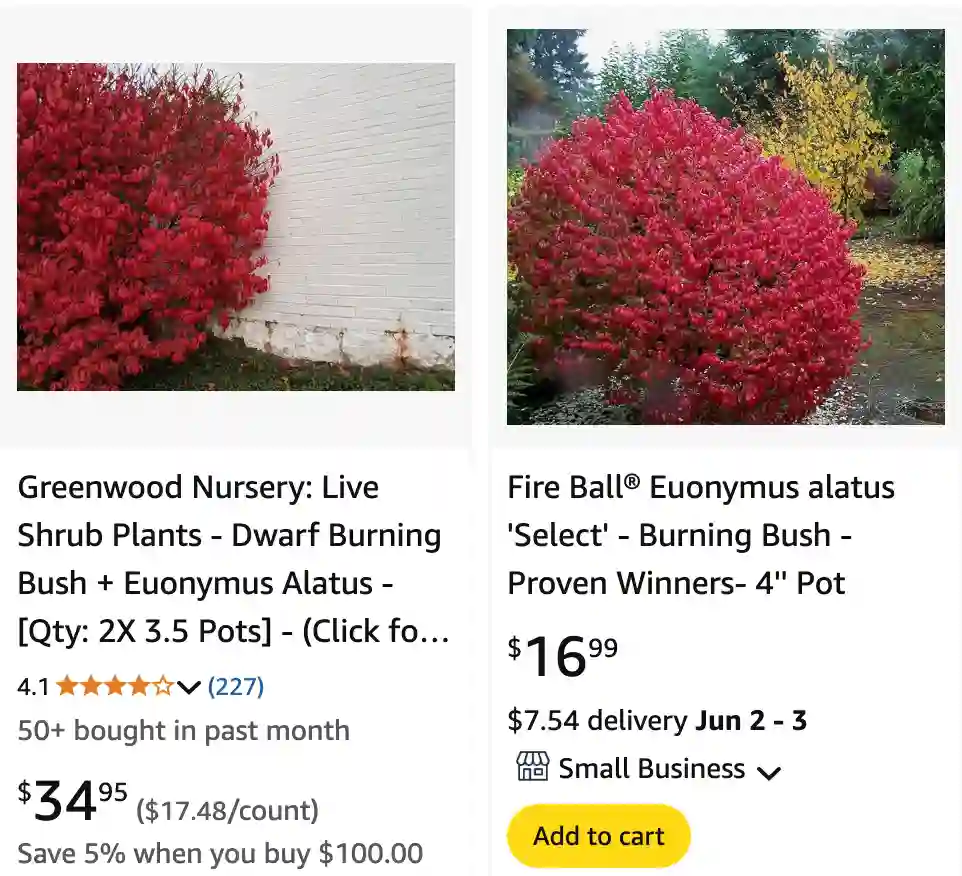
This is a common misconception. Euonymus Alatus is not evergreen; it’s deciduous. That means it loses its leaves in the fall. One of the reasons it’s so popular is its stunning fall color — the leaves turn bright red, almost fiery, before they drop.
If you’re looking for an evergreen shrub, Euonymus Alatus isn’t the right choice. But if you want a shrub that offers seasonal interest with a dramatic color change, it’s hard to beat.
Other Important Notes on Euonymus Alatus
Besides the basics, here are a few more things I’ve learned about this plant:
- Soil and Light Preferences: Euonymus Alatus thrives in full sun to partial shade. I’ve seen it grow well in various soil types, but it prefers well-drained soil. It’s quite drought-tolerant once established, which makes it low maintenance.
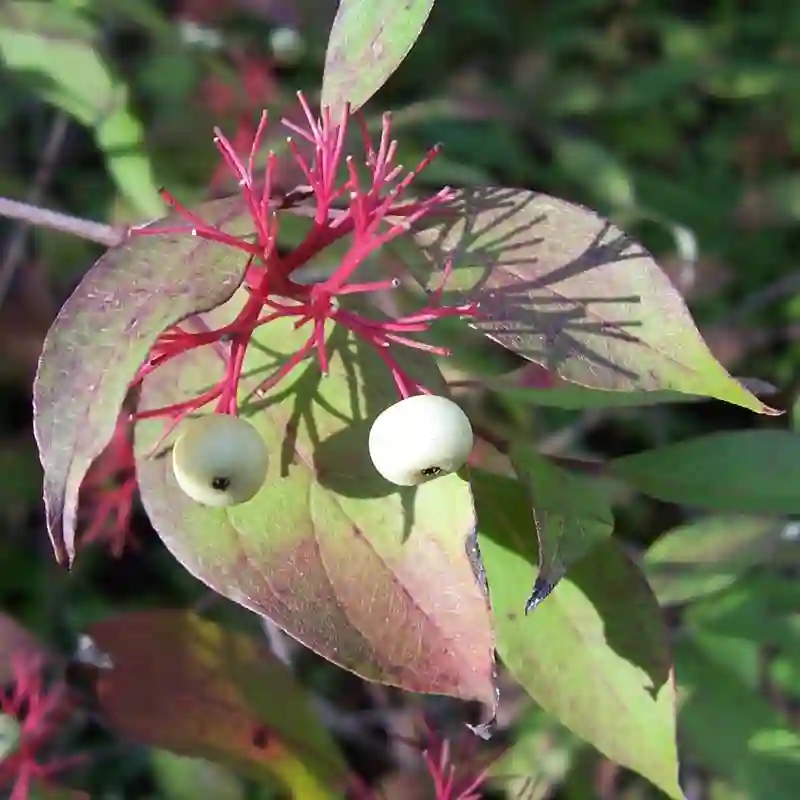
- Wildlife Impact: Besides being invasive, it’s worth noting that Burning Bush doesn’t provide much food or habitat for native wildlife. Birds do eat its berries, but the overall ecological value is low compared to native shrubs.
- Disease and Pest Resistance: I’ve noticed it’s generally resistant to most pests and diseases. This hardiness is part of what made it popular in landscapes, but that same resilience makes it harder to control in the wild.
- Alternatives to Consider: Given the invasive status of Euonymus Alatus in many areas, I recommend exploring native alternatives that offer fall color without ecological risks. Shrubs like Viburnum, Itea virginica (Virginia sweetspire), or Mapleleaf Viburnum can provide similar visual interest with better benefits to local wildlife.
Final Thoughts
I enjoy sharing my insights about plants like Euonymus Alatus because it helps gardeners make smarter choices. While the Burning Bush has undeniable beauty, its invasiveness and toxicity concerns mean it’s not the best fit for every garden or community.
If you’re drawn to its vibrant red leaves but want to be environmentally responsible, consider native plants that support biodiversity and keep your pets safe. And remember, good pruning and proper care will keep any shrub healthier and more attractive.

If i die, water my plants!