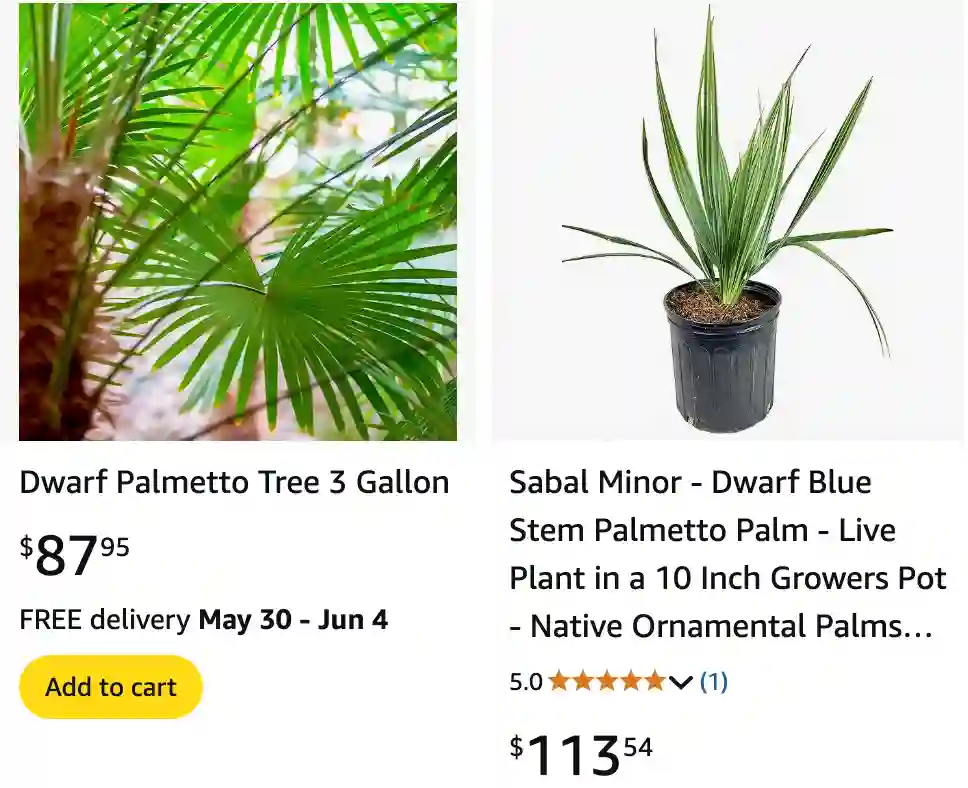
As someone who’s spent countless hours in the garden observing how different plants adapt and thrive, I’ve developed a deep appreciation for the rugged beauty and resilience of Sabal Minor, also known as the Dwarf Palmetto. This native palm is more than just a pretty face—it’s a plant of patience, power, and quiet presence. Over the years, I’ve gotten a lot of questions about Sabal Minor, and I’m here to answer them using my firsthand experience, following the timeless simplicity of Hemingway’s rules.
What Is Sabal Minor?
Sabal Minor is a hardy, fan-leaved palm native to the southeastern United States. It’s known for its short trunk—usually underground—and bold, fan-shaped fronds that rise straight from the ground. Unlike the towering Sabal Palmetto, Sabal Minor stays close to the earth, forming a low, wide clump of greenery that’s both tropical and tolerant of cold climates.
Where Can Sabal Minor Grow?
This plant thrives in USDA Zones 7 to 10. That means it can take more cold than most palms. I’ve seen it survive snow, ice, and weeks of frost without so much as a whimper. In my own garden, Sabal Minor has weathered cold snaps that damaged other ornamentals. It prefers moist, well-draining soil, but it’s forgiving of both drought and flooding. I’ve grown it in sun and shade—it adapts to both, though it grows fuller in partial shade.
How Big Does Sabal Minor Get?
Unlike Sabal Palmetto, which can reach 60 feet or more, Sabal Minor remains grounded—literally. Most specimens grow between 2 to 6 feet tall with a similar spread. The leaves can be huge, often over 3 feet wide, which makes it a striking foliage plant. I use it as a background anchor in my shade beds, and it never fails to draw attention.
Sabal Minor vs Sabal Palmetto: What’s the Difference?
This is one of the most common questions I get.
Sabal Minor vs Sabal Palmetto is a classic comparison of scale, form, and function. Sabal Palmetto, also called the Cabbage Palm, is a towering giant with a visible trunk, used often as a street tree in the Southeast. It’s more drought-tolerant once established and has a higher wind resistance, which is why it’s popular in hurricane-prone areas.
Sabal Minor, on the other hand, is the underdog. It lacks a visible trunk, stays small, and thrives in understory conditions. It’s perfect for smaller gardens, native landscapes, and restoration projects. If you’re aiming for a palm look without the height or maintenance, Sabal Minor is the clear winner.
Is Sabal Minor Easy to Grow?
Absolutely. It’s one of the easiest palms to grow. I rarely fertilize mine. It resists pests, shrugs off poor soils, and keeps looking good all year. Its deep root system means it doesn’t transplant well once mature, so choose your location wisely. Water during the first year and then let nature take over.
How Fast Does It Grow?
It grows slowly. That’s the tradeoff for its hardiness. You won’t see instant gratification with Sabal Minor. But it rewards patience with consistency. I’ve had one in the same spot for five years, and while it’s not huge, it has filled out beautifully.
Can It Be Grown in Containers?
Yes, and I’ve done it. Sabal Minor’s small size and tolerance for poor conditions make it ideal for container gardening. Just make sure the pot drains well and don’t let it dry out completely. It’s an excellent choice for patio decor if you want a low-maintenance, subtropical vibe.
What Wildlife Benefits from Sabal Minor?
Plenty. Its summer blooms attract pollinators like bees, and its fall seeds are food for birds and small mammals. I’ve seen mockingbirds, finches, and even raccoons nosing around its base. It’s not just decorative—it’s ecologically useful.
Final Thoughts
Sabal Minor is the definition of quiet strength. It’s a slow grower, yes—but it’s a steady one. In an age of instant results, there’s something deeply satisfying about a plant that takes its time and still wins. Whether you’re debating Sabal Minor vs Sabal Palmetto, designing a native garden, or just looking for a low-maintenance palm, Sabal Minor deserves a spot in your landscape. I’ve never regretted planting it—and I doubt you will either.

If i die, water my plants!