I’ve always been fascinated by succulents, and Kalanchoe Fedtschenkoi is one of those plants that’s both charming and surprisingly resilient. Over time, I’ve collected a lot of questions about this unique succulent, so I thought it’d be helpful to share my personal insights. Whether you’re new to this plant or have some experience, these FAQs might clear up common doubts — especially about how to propagate Kalanchoe Fedtschenkoi and care for it.
What Is Kalanchoe Fedtschenkoi?
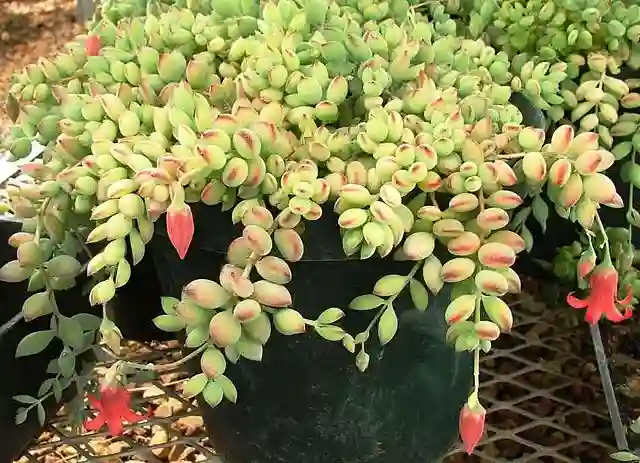
First, let me clarify what this plant really is. Kalanchoe Fedtschenkoi, often called Lavender Scallops or South American Bryophyllum, is a succulent native to Madagascar. It stands out because of its soft, bluish-green leaves edged with purple or reddish hues, often with tiny scalloped edges that add a delicate texture. The leaves have a light fuzz that gives the plant a velvety appearance. It blooms small, tubular yellow flowers that hang in clusters during late winter to early spring, making it a subtle but beautiful addition to any collection.
How to Propagate Kalanchoe Fedtschenkoi?
One of the most asked questions I get is how to propagate Kalanchoe Fedtschenkoi. Fortunately, propagation is one of the easiest parts about this plant. You can propagate it from leaf or stem cuttings. Here’s how I do it:
- Stem Cuttings: I take a healthy stem, about 3-4 inches long, and let it dry for a day or two. This drying helps prevent rot by allowing the cut end to callous over. After that, I plant it in well-draining succulent soil and water lightly. Within a couple of weeks, roots usually start to develop.
- Leaf Propagation: You can also propagate from a single leaf. Gently twist off a mature leaf and lay it on the soil surface. Over time, tiny plantlets begin to grow from the leaf edges, which is a fascinating trait of Kalanchoe Fedtschenkoi. I keep the soil lightly moist and in indirect sunlight until the new plants establish.
What Are the Ideal Growing Conditions?
I’ve found that this succulent thrives best in bright, indirect light. It tolerates some direct sunlight but too much can scorch the leaves, especially in hotter climates. Indoors, I place mine near east-facing windows or under grow lights. Outdoors, partial shade is best.
When it comes to watering, this plant follows typical succulent needs — it prefers to dry out between waterings. Overwatering is a common mistake. I usually water mine every 10 to 14 days during the growing season and reduce watering during the dormant winter months. The soil must be well-draining to avoid root rot.
What Type of Soil Does It Prefer?
Well-draining soil is essential for Kalanchoe Fedtschenkoi. I mix regular potting soil with sand or perlite to improve drainage. A commercial cactus or succulent mix also works well. The key is preventing water from sitting in the soil too long, which can kill the roots.
How to Deal With Pests and Diseases?
Like many succulents, Kalanchoe Fedtschenkoi is fairly pest-resistant, but I have occasionally seen mealybugs or aphids on mine. To control these pests, I use insecticidal soap or wipe the leaves with rubbing alcohol on a cotton swab. Good air circulation around the plant also helps keep pests away.
Root rot is the most common disease issue. It usually happens from overwatering or poor drainage. If the leaves start to yellow and drop, I check the roots immediately. Removing rotten roots and repotting in fresh soil often saves the plant.
How Fast Does Kalanchoe Fedtschenkoi Grow?
In my experience, this succulent grows moderately fast under ideal conditions. You can expect new leaves and stems to develop throughout the spring and summer. The plant can spread nicely if given enough space, making it a good candidate for ground cover in warmer climates or a full, bushy houseplant.
Can Kalanchoe Fedtschenkoi Survive Cold Weather?
This plant is somewhat frost-sensitive. It tolerates light frost but prolonged exposure to freezing temperatures can damage or kill it. I keep mine indoors or bring it inside during cold months if I live in zones below USDA 9. If grown outdoors, a protective frost cloth can help during unexpected cold snaps.
Is Kalanchoe Fedtschenkoi Toxic?
This is an important question for households with pets or children. Yes, Kalanchoe Fedtschenkoi contains compounds that can be toxic if ingested. I always recommend keeping it out of reach from curious pets and kids.
Why Does My Kalanchoe Fedtschenkoi’s Leaves Turn Red or Purple?
I’ve noticed the leaf edges turn a beautiful reddish-purple hue mostly under stress conditions like strong sunlight or cold temperatures. This color change is a natural protective response. It adds to the plant’s charm but signals you to watch watering and light levels.
In summary, Kalanchoe Fedtschenkoi is a low-maintenance, visually striking succulent that rewards care with easy propagation and lovely foliage. Whether you want to propagate it, care for it, or simply admire its unique texture and colors, it’s a plant that fits well into both beginner and seasoned succulent collections.

If i die, water my plants!