As someone who enjoys exploring the world of plants, I often come across species that pique my curiosity. One such plant that has caught my attention is Solanum Dulcamara, also known as bittersweet nightshade. It’s a plant surrounded by questions, especially about its safety and edibility. Over time, I’ve gathered quite a bit of information about it, and I want to share the answers to the most frequently asked questions I’ve encountered — particularly around the concerns: “Is Solanum Dulcamara poisonous?” and “Is Solanum Dulcamara edible?”
What is Solanum Dulcamara?
First, some background. Solanum Dulcamara is a woody vine or scrambling shrub native to Europe and Asia but has since naturalized in North America. It belongs to the nightshade family, Solanaceae, which includes familiar plants like tomatoes, potatoes, and eggplants. Despite the family ties, this particular species has a reputation that’s a bit darker.
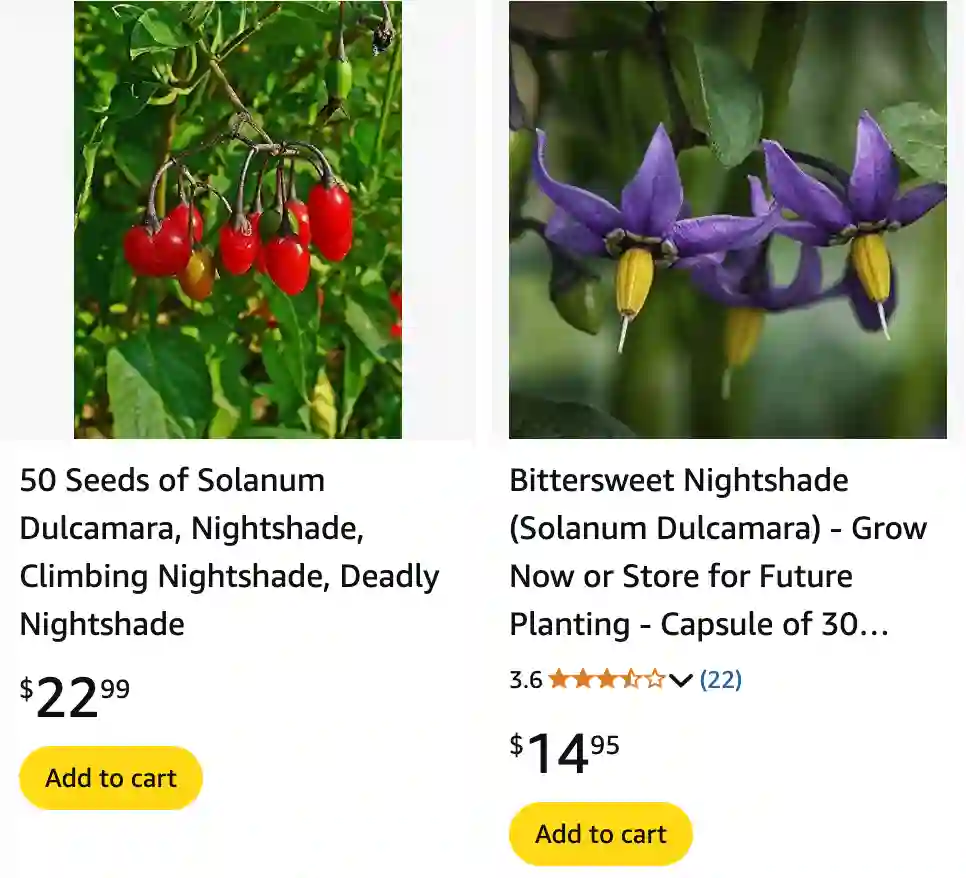
The plant produces small, star-shaped purple flowers with yellow stamens. After flowering, it bears bright red berries that stand out vividly against its green foliage. This beauty, however, can be deceiving.
Is Solanum Dulcamara Poisonous?
This is by far the most common question I get asked. The straightforward answer is yes — Solanum Dulcamara is poisonous. Its toxicity mainly comes from alkaloids called solanine and dulcamarine. These chemicals can cause severe health issues if ingested, affecting the nervous system and digestive tract.
Ingesting the berries or any other part of the plant can lead to symptoms such as nausea, vomiting, diarrhea, dizziness, and in extreme cases, respiratory difficulties. This is why it’s crucial to keep this plant away from children and pets, who might be attracted to the bright berries but can’t tell the danger.
That said, while it is poisonous, the plant has also played a role in traditional medicine, where careful use of extracts was believed to treat skin conditions and respiratory issues. But this is not something I would recommend trying at home without expert guidance, given the risks involved.
Is Solanum Dulcamara Edible?
Another common question — “Is Solanum Dulcamara edible?” — comes from those curious about foraging or using wild plants in cooking. The answer here is clear: no, it is not edible. Unlike its cultivated relatives like tomatoes or potatoes, the berries and leaves of Solanum Dulcamara are toxic and should never be eaten.
Even small amounts can be harmful. So, I always emphasize caution. This plant is more for ornamental or wild gardening purposes rather than culinary use. If you want an edible nightshade, stick to well-known safe varieties like tomatoes or eggplants.
Where Does Solanum Dulcamara Grow?
This plant thrives in moist environments — along riverbanks, fences, and wood edges. It’s quite adaptable and can grow in full sun or partial shade. From my experience, it tends to spread quickly and can become invasive in some regions, so controlling its growth is important if you want to keep it in your garden.
Can You Use Solanum Dulcamara Medicinally?
Historically, yes, but with extreme caution. Folk medicine in Europe used bittersweet nightshade extracts to treat various ailments like eczema, asthma, and rheumatism. The key word is “extracts” — raw plant parts are toxic, but diluted forms prepared by experienced herbalists were thought to have therapeutic benefits.
Personally, I find this fascinating, but I don’t experiment with it. The risk of poisoning outweighs any potential benefit unless handled by professionals. So if you’re interested in herbal remedies, I advise consulting qualified practitioners rather than self-medicating with this plant.
How Do You Identify Solanum Dulcamara?
If you’re trying to spot this plant, look for these key features:
- Leaves: Simple or lobed, ovate with a pointed tip, usually glossy green.
- Flowers: Small, star-shaped, purple with yellow stamens.
- Berries: Bright red and shiny, roughly the size of a pea.
- Growth habit: A climbing or sprawling vine with slender, woody stems.
I find that knowing these traits helps avoid confusing it with other harmless plants. This is especially important because of its poisonous nature.
Is Solanum Dulcamara Safe Around Pets?
No. Pets like dogs and cats are also susceptible to poisoning from this plant. If you have pets that roam outdoors, it’s safer not to grow bittersweet nightshade in your yard or at least make sure they can’t access it. If ingestion is suspected, a quick visit to the vet is essential.
How to Handle Solanum Dulcamara Safely?
If you choose to grow or remove Solanum Dulcamara, wear gloves and wash your hands afterward. The plant’s sap can cause skin irritation in some people. Always err on the side of caution.
Final Thoughts
To sum up, Solanum Dulcamara is poisonous, and it is not edible. It’s a plant with a beautiful but deceptive appearance and a rich history in traditional herbal medicine. While it can be a striking feature in natural landscapes or gardens, it demands respect due to its toxicity.
From my experience, learning to identify and understand plants like Solanum Dulcamara is a rewarding part of gardening and wildcrafting. The key is always knowledge and safety. If you enjoy wild plants, I hope this overview helps you appreciate bittersweet nightshade while avoiding its dangers.

If i die, water my plants!