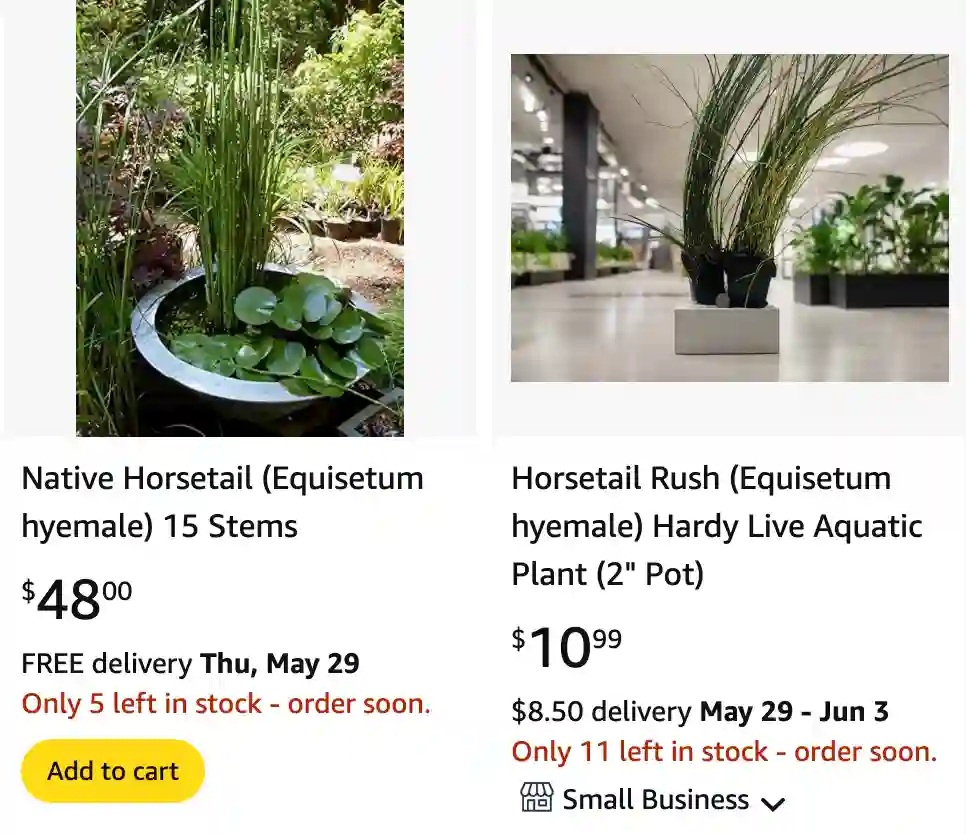
As someone fascinated by unique plants, Equisetum Hyemale — often called “horsetail” — has caught my attention many times. Over the years, I’ve gathered answers to some of the most frequently asked questions about this ancient, resilient plant. Whether you’re curious about what is Equisetum Hyemale used for, where to buy Equisetum Hyemale, or how it compares to Equisetum Arvense, I hope my insights help you navigate this fascinating species.
What Is Equisetum Hyemale Used For?
When people ask me, “What is Equisetum Hyemale used for?” I often think about its many practical and ornamental uses. Traditionally, Equisetum Hyemale has a rich history of applications:
- Medicinal Uses:
In herbal medicine, this plant is known for its high silica content, which supports skin, hair, and nail health. I’ve read and personally noticed that extracts of Equisetum Hyemale are used as a natural diuretic and to aid urinary tract health. It’s not a cure-all, but many people appreciate its anti-inflammatory properties. - Craft and Utility:
Because of its abrasive texture—due to silica—it was historically used as a natural scouring tool, similar to sandpaper. Some artisans still use dried stems for polishing metal or wood. - Landscaping and Aquascaping:
I’ve planted Equisetum Hyemale in my garden because it adds a striking vertical texture. It thrives in wet, marshy areas and can be a beautiful, low-maintenance border or accent plant around ponds or water features. - Ecological Role:
Equisetum Hyemale also plays a role in soil stabilization, especially near water bodies. Its deep rhizome system helps prevent erosion, which is useful for landscaping in flood-prone zones.
Where to Buy Equisetum Hyemale?
If you’re wondering where to buy Equisetum Hyemale, I can share a few tips based on my own experience:
- Specialty Nurseries:
Many garden centers that focus on aquatic or wetland plants carry Equisetum Hyemale. I’ve found local nurseries often stock it in spring or early summer. - Online Plant Retailers:
Several reputable online plant shops offer Equisetum Hyemale, often as rhizomes or young plants. Be sure to check the shipping policies and plant health guarantees. I’ve ordered from a couple of sites and recommend looking for those specializing in wetland or unique plants. - Botanical Gardens and Plant Sales:
Occasionally, botanical gardens host plant sales where you can find unusual species like Equisetum Hyemale. This is a great way to get healthy specimens and advice from experts.
Equisetum Hyemale vs Equisetum Arvense: What’s the Difference?
This question comes up a lot: What’s the difference between Equisetum Hyemale and Equisetum Arvense? They both belong to the same genus but differ in several ways:
- Appearance:
Equisetum Hyemale, also called rough horsetail or scouring rush, has tall, stiff, hollow stems with rough ridges. It’s evergreen and looks more reed-like. Equisetum Arvense, or common horsetail, has a feathery appearance with both sterile green stems and fertile brown spore-producing stems that emerge in spring. - Growth Habits:
Hyemale is more aggressive and can spread rapidly through underground rhizomes, often requiring containment in gardens. Arvense is less aggressive but still spreads and can be invasive if unmanaged. - Uses:
Both have medicinal uses, but Arvense is more commonly used in herbal teas for kidney and urinary issues. Hyemale, on the other hand, is prized more for its abrasive qualities and landscaping appeal.
Additional Insights About Equisetum Hyemale
From my experience, it’s important to note a few things about growing and handling Equisetum Hyemale:
- Invasiveness:
This plant spreads quickly via rhizomes. I learned this the hard way when it took over one corner of my garden. Containing it in pots or raised beds helps manage its spread. - Soil and Light Requirements:
Equisetum Hyemale prefers moist, acidic soils and partial to full sun. It’s perfect near water features or in rain gardens where soil stays damp. - Maintenance:
It’s low maintenance but can get tall and dense, so I prune it occasionally to keep its shape and prevent it from overshadowing nearby plants. - Toxicity:
Though it has uses in traditional medicine, the plant contains compounds that can be toxic in large amounts. I advise caution and consulting a healthcare provider before any medicinal use.
Final Thoughts
Equisetum Hyemale is a fascinating plant with a deep history and diverse applications. Whether you’re curious about what is Equisetum Hyemale used for or where to buy it, understanding its characteristics and growth habits is key. Its strong, reed-like appearance and resilience make it both a useful and ornamental species. Comparing it to Equisetum Arvense reveals subtle but important differences that influence how we cultivate and use these plants.
If you’re a gardener or plant enthusiast like me, I encourage you to explore Equisetum Hyemale carefully, respecting its power to spread and its potential benefits. With proper management, it can be a striking, functional addition to your plant collection.

If i die, water my plants!