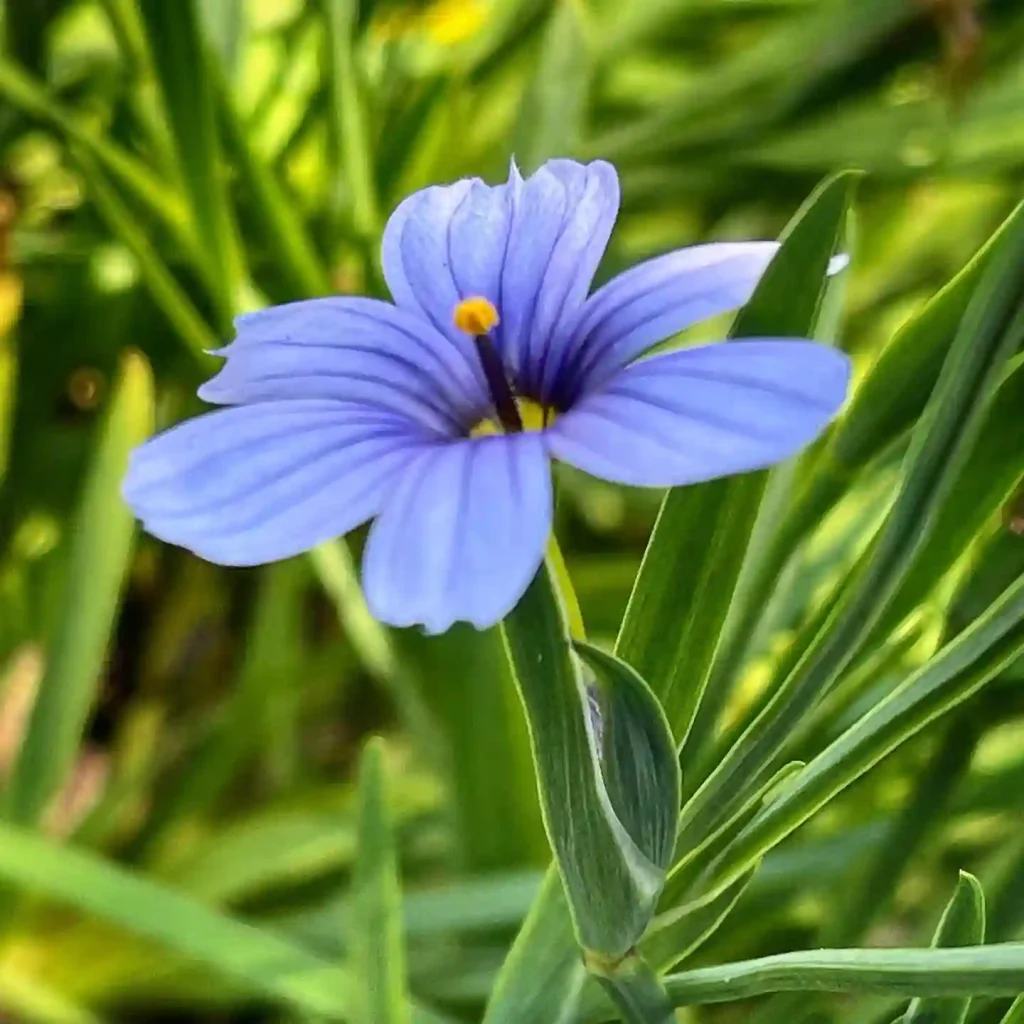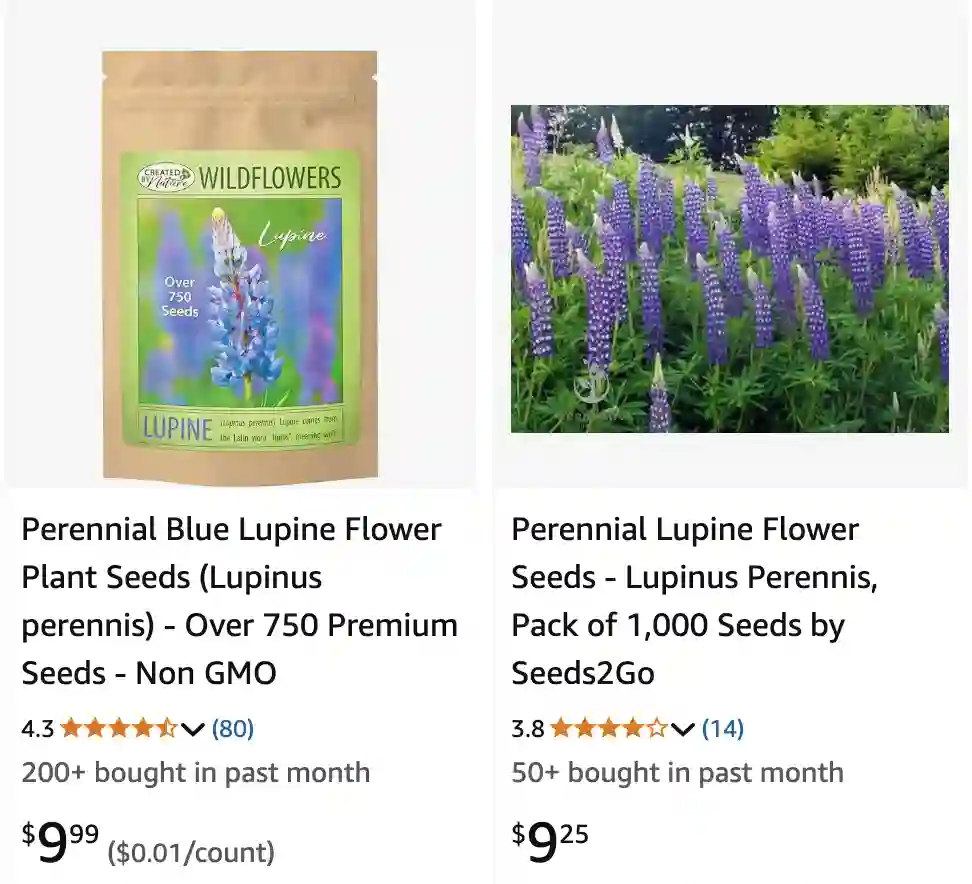
If you’ve ever come across the delicate, spiky blooms of Lupinus Perennis, commonly called Wild Lupine or Sundial Lupine, you know they bring a unique charm to meadows and gardens alike. Over the years, I’ve grown and studied this native North American wildflower extensively, and I want to share answers to the most common questions I get about it. Whether you’re curious about how to grow Lupinus Perennis or want to understand its ecological role, this guide will help.
What Is Lupinus Perennis?
Lupinus Perennis is a perennial legume native to the eastern United States and parts of Canada. It stands out with its tall spikes of pea-like flowers, usually in shades of blue, purple, or sometimes white. This plant is not just a pretty face—it plays a vital role in supporting pollinators, especially the Karner blue butterfly, which relies on Wild Lupine as its host plant.
How to Grow Lupinus Perennis
One of the questions I hear most is how to grow Lupinus Perennis effectively. Growing this plant from seed takes patience, but the payoff is worth it.
Seed Preparation
Lupinus Perennis seeds have a hard coat, which means they need scarification to germinate well. I usually nick the seed coat lightly with a file or soak the seeds in warm water overnight. This mimics natural weathering and helps water penetrate the seed to start the growth process.
Soil and Location
Lupinus Perennis thrives in well-drained, sandy or rocky soils. I find it grows best in full sun, which encourages strong flowering. Avoid heavy clay or overly rich soils because those conditions can stunt growth or invite fungal issues. Wild Lupine prefers soils with low to moderate fertility, which is typical of its native habitats.
Planting and Care
After scarifying, I sow the seeds directly in early spring or late fall. Seeds typically take about 2-3 weeks to germinate, but sometimes it can take longer. Keep the soil moist but not waterlogged during this period. Once established, Lupinus Perennis is drought-tolerant, but I still water it occasionally during dry spells.
A critical tip I’ve learned: avoid transplanting mature plants. Lupine has a sensitive taproot that doesn’t like disturbance, so starting from seed in the location you want the plant to grow is ideal.
What Are the Benefits of Lupinus Perennis?
Lupinus Perennis is more than a decorative wildflower. As a legume, it fixes nitrogen in the soil, which improves soil health naturally. This makes it a valuable addition to restoration projects and wildflower gardens aiming for sustainability.
For pollinators, Lupine is a nectar source for bumblebees, butterflies, and other insects. It’s essential for the survival of the Karner blue butterfly, whose larvae feed exclusively on Lupine leaves. Watching these rare butterflies flutter around my Lupine patches has been one of my most rewarding gardening experiences.
How Does Lupinus Perennis Fit Into Ecosystems?
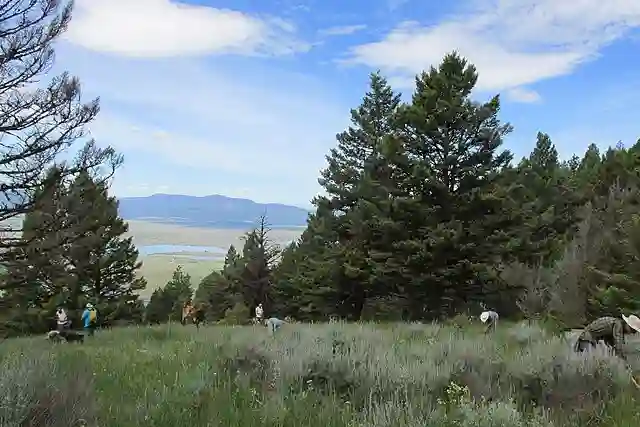
In natural ecosystems, Lupinus Perennis acts as a pioneer species on disturbed soils, helping to stabilize and enrich the soil. Its presence supports a network of wildlife. I’ve noticed that areas with healthy Lupine populations tend to have more diverse insect life, which in turn supports birds and small mammals.
Can Lupinus Perennis Become Invasive?
A common misconception is that Lupinus Perennis might spread aggressively. In my experience, it stays well-behaved in native habitats or gardens designed to mimic those conditions. It doesn’t dominate or choke out other plants but coexists well with native grasses and wildflowers.
What Are the Challenges of Growing Lupinus Perennis?
Growing Wild Lupine isn’t without challenges. Besides seed dormancy issues, it is vulnerable to root rot in poorly drained soils. I’ve also faced problems with aphids and fungal diseases in humid conditions.
To mitigate these, I ensure good air circulation, avoid overwatering, and sometimes use organic insecticidal soap for aphids. Also, allowing natural predators like ladybugs to thrive in my garden helps keep pests in check.
How Long Does Lupinus Perennis Live?
Lupinus Perennis is a perennial, meaning it lives for several years. However, it’s important to note that it often behaves like a short-lived perennial, with individual plants lasting around 2-3 years. The plant sets seed reliably, which replenishes the population over time.
Can You Propagate Lupinus Perennis Besides Seeds?
Propagation is primarily done by seed due to the taproot system that doesn’t transplant well. I’ve experimented with root cuttings but had limited success. For most gardeners, starting from seed remains the best option.
Final Thoughts
Lupinus Perennis has been a rewarding plant in my garden and restoration projects. It connects me to native ecosystems and brings vibrant beauty to otherwise ordinary landscapes. If you want to try your hand at growing it, remember the importance of proper seed preparation, well-drained soils, and patience. The journey of nurturing Wild Lupine is as fulfilling as watching it bloom and support local wildlife.

If i die, water my plants!