Hey everyone, Ferb Vu here! I’m back again, and today we’re diving into a plant that’s sparked a lot of curiosity and even some scientific amazement: Silene Stenophylla. You might have heard whispers about it, especially concerning its remarkable longevity. So, let’s clear up some of the most frequently asked questions I get about this fascinating species.
Is Silene Stenophylla Extinct?
This is probably the most common question I encounter, and it’s a big one. No, Silene Stenophylla is not extinct. Far from it, actually! The confusion likely stems from the incredible story that brought it into the spotlight. In 2012, Russian scientists made a groundbreaking discovery in the Siberian permafrost. They unearthed seeds of Silene Stenophylla that were estimated to be around 32,000 years old. And here’s the kicker: they managed to regenerate these ancient seeds into viable plants.
This wasn’t just a cool botanical trick; it was a monumental achievement in cryobotanical research. The fact that these seeds, buried for tens of millennia, could still germinate and grow into flowering plants is a testament to the incredible resilience of life and the unique preservation capabilities of permafrost. So, while the specific lineage of those ancient seeds might have been lost to the surface world for eons, the species itself persists. You can find Silene Stenophylla growing in its natural habitat in the Arctic regions of Siberia, even today.
What’s So Special About Silene Stenophylla?
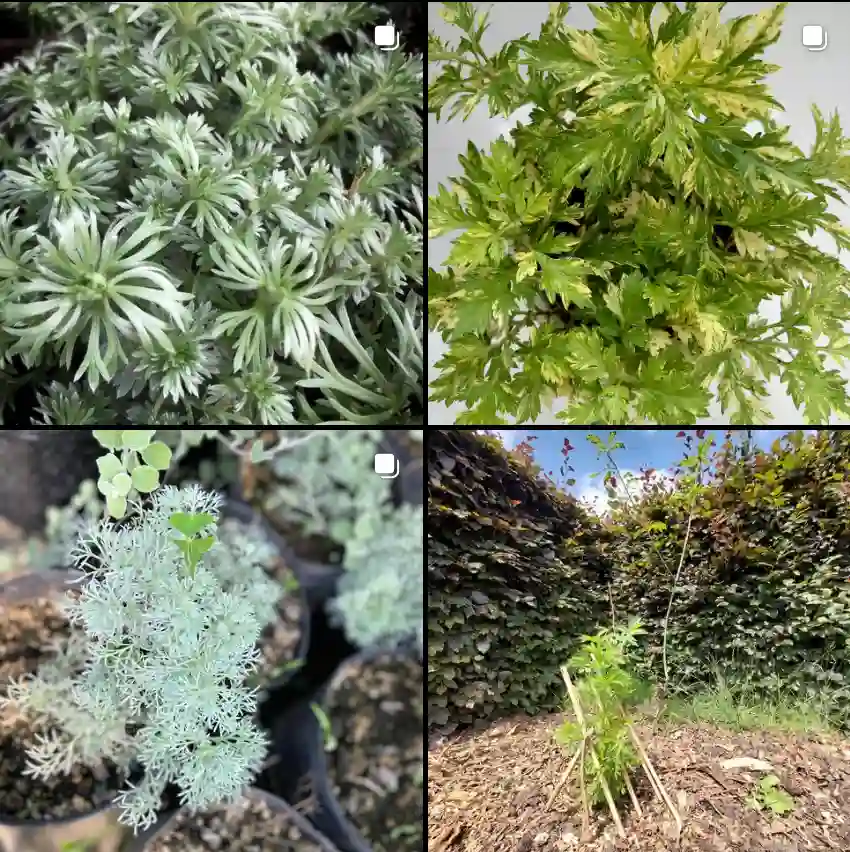
Beyond its incredible resurrection story, Silene Stenophylla possesses several intriguing characteristics. It’s a flowering plant belonging to the genus Silene, which is part of the carnation family, Caryophyllaceae. It’s a small, herbaceous perennial, typically growing to about 5-25 cm tall. The leaves are narrow, hence the “stenophylla” part of its name, which means “narrow-leaved.” Its flowers are typically white or pale pink, small, and often solitary or in loose clusters.
What makes it truly special, however, is its remarkable cold hardiness. It’s perfectly adapted to the harsh conditions of the Arctic tundra, enduring incredibly low temperatures and short growing seasons. This adaptation is undoubtedly linked to the viability of those ancient seeds. The permafrost acted as a natural deep freezer, preserving the delicate cellular structures within the seeds for an unfathomable amount of time. The Silene Stenophylla plant itself, even in modern times, is a survivor, thriving where many other plants simply can’t.
How Did They Revive the Ancient Seeds?
The process of reviving the ancient Silene Stenophylla seeds was a delicate and painstaking one. The scientists, working at the Institute of Cell Biophysics of the Russian Academy of Sciences, carefully extracted the seeds from fossilized squirrel burrows found in the permafrost near the Kolyma River. These burrows were essentially ancient food caches, a treasure trove of preserved plant material.
Instead of directly germinating the mature seeds, they focused on immature seeds found within the fruits. These immature seeds likely had less developed protective coatings, making them more amenable to regeneration. They cultured the placental tissue from these fruits, essentially using in-vitro techniques to coax the dormant embryonic cells into growth. It was a complex process of tissue culture, providing the ideal nutrients and conditions for the ancient plant material to reawaken. The success of this experiment has profound implications not just for botany, but also for understanding the potential for long-term survival of organisms in extreme environments.
Where Does Silene Stenophylla Naturally Grow?
As I mentioned, Silene Stenophylla is indigenous to the Arctic and sub-Arctic regions of Siberia. Its natural habitat is the tundra, an environment characterized by permafrost, low-growing vegetation, and very cold temperatures. You’ll find it in open, rocky areas, along riverbanks, and in sparse woodlands where the ground thaws only superficially during the brief summer months. It’s a true native of the far north, perfectly at home in some of the most unforgiving landscapes on Earth. Its distribution highlights its incredible resilience and specialized adaptations to extreme cold.
What Are the Implications of This Discovery?
The revival of Silene Stenophylla from ancient seeds has opened up a whole new realm of scientific inquiry. Firstly, it provides invaluable insights into the longevity of life and the mechanisms of cryopreservation. It pushes the boundaries of what we thought was possible in terms of seed viability.
Secondly, it offers a unique opportunity to study ancient plant genomes. By comparing the genetic material of the revived ancient plants with modern Silene Stenophylla, scientists can gain a deeper understanding of evolutionary changes over thousands of years. This could shed light on how plants adapt to changing climates and environmental pressures.
Finally, there’s a broader implication for conservation. While we’re not suggesting we can just revive any extinct species from ancient seeds, this discovery underscores the importance of preserving natural environments, especially areas with permafrost. These frozen archives hold untold biological secrets, and who knows what other ancient life forms might be waiting to be discovered and studied, offering clues to life’s incredible tenacity and resilience. It’s a reminder of the vast, unexplored biodiversity still hidden beneath our feet.

If i die, water my plants!