Leucaena Leucocephala: The Versatile “Miracle Tree”
Leucaena leucocephala, often referred to as the “White Leadtree” or simply Leucaena, is a fast-growing, nitrogen-fixing tree or shrub belonging to the Fabaceae (legume) family. Originating in southern Mexico and Central America, it has been widely introduced across tropical and subtropical regions globally for its remarkable versatility and economic potential. This plant is renowned for its rapid growth, high protein content, and various uses, from animal fodder to reforestation.
Key Characteristics of Leucaena Leucocephala:
| Feature | Description |
| Common Name | White Leadtree, Leucaena |
| Scientific Name | Leucaena leucocephala |
| Family | Fabaceae (Legume family) |
| Tree Type | Shrub or Small Tree, Woody |
| Mature Height | 5-20 meters (16-65 feet) |
| Leaves | Bipinnate, fern-like, many small leaflets |
| Flowers | White, globular, puffball-like clusters |
| Fruit | Flat, brown pods (legumes) containing seeds |
| Growth Rate | Very fast |
| Primary Uses | Animal fodder, nitrogen fixation, reforestation, shade |
| Native Range | Southern Mexico and Central America |
| Ecological Role | Nitrogen fixer, potential invasive species |
Month 1: A Handful of Hope
Living here in Hanoi, I’m always looking for plants that can thrive in our climate and offer real benefits. I first heard about Leucaena and its incredible properties from a local agricultural extension worker. He spoke of its ability to enrich the soil and provide feed, almost like a miracle. I started with a small packet of seeds – tiny, brown, and unassuming. I prepared a patch of well-drained soil, ensuring it had plenty of sunlight, and carefully sowed them. There was a quiet anticipation, a hope that these small seeds would indeed live up to their reputation. I watered them gently, imagining the green shoots that would soon emerge.
Botanical Profile: Understanding Leucaena’s Structure
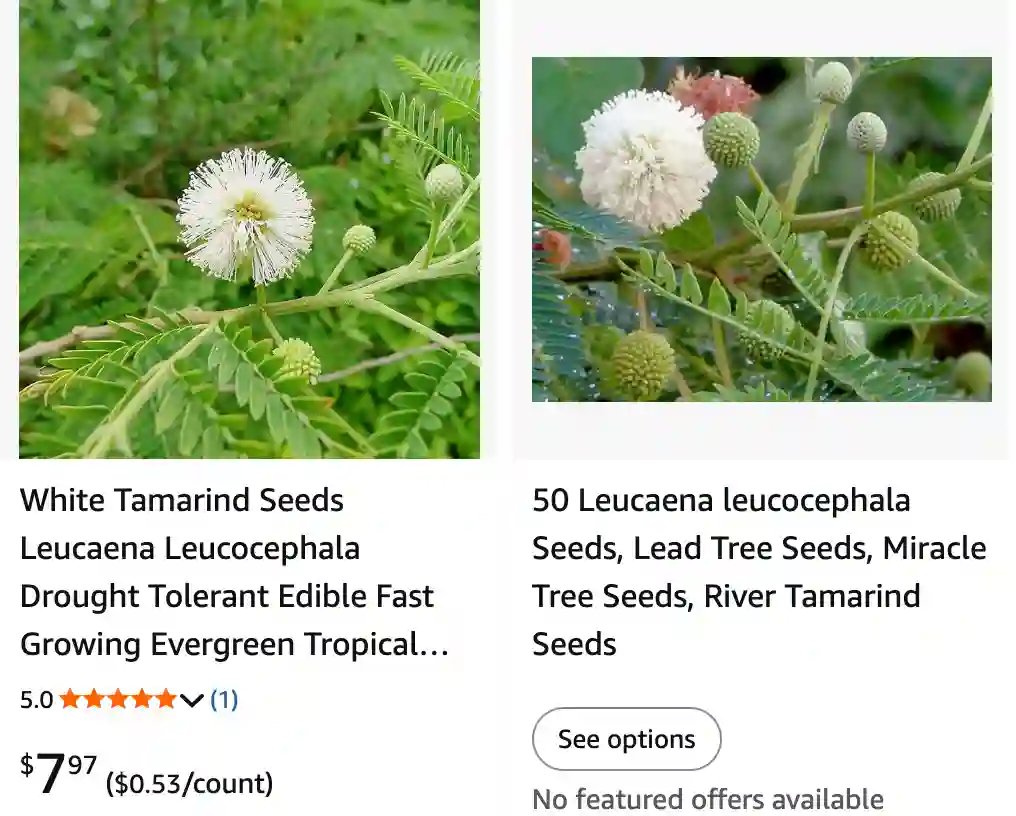
Leucaena leucocephala typically grows as a small tree or large shrub, reaching heights of 5-20 meters (16-65 feet) depending on the variety and environmental conditions. Its bipinnate leaves are composed of numerous small leaflets, giving the foliage a delicate, fern-like appearance. The bark is generally smooth and grayish-brown. A distinctive feature is its white, puffball-like flowers, which grow in dense, globular clusters. These mature into flat, brown pods, each containing several hard, glossy seeds.
Month 2: The First Burst of Green
Within weeks, the soil began to stir, and slender green shoots pushed through. It was incredible to see how quickly they grew. The first true leaves, intricate and feathery, unfolded. I made sure to thin them out, giving the stronger seedlings space to flourish. I could already see the potential, the vigorous growth that promised so much. The Hanoi sun seemed to agree with them, and they stretched eagerly towards it.
Nutritional Powerhouse and Agricultural Uses
Leucaena is highly valued for its high protein content and digestibility, making it an excellent source of fodder for livestock, particularly ruminants. Its leaves, pods, and young stems are rich in protein, vitamins, and minerals. Beyond animal feed, Leucaena is utilized in agroforestry systems for alley cropping, living fences, and as a shade tree for other crops like coffee and cacao. Its ability to fix atmospheric nitrogen enriches the soil, reducing the need for synthetic fertilizers.
Month 3: Rapid Ascent and Early Flowers
The growth was astonishing. What were delicate seedlings just a month ago were now sturdy young plants, some already reaching over a meter in height. To my delight, I spotted the first signs of flowering – small, greenish-white buds appearing in clusters. Soon after, they bloomed into those characteristic fluffy white balls. The sight was beautiful, and it signaled the plant’s readiness to produce.
Ecological Impact and Management Considerations
While highly beneficial in controlled agricultural settings, Leucaena leucocephala has a dual nature. Its rapid growth, prolific seed production, and adaptability have led to its classification as an invasive species in some tropical and subtropical regions. It can outcompete native vegetation, form dense thickets, and reduce biodiversity. Responsible management, including selecting non-invasive varieties or carefully managing its spread through pruning and harvesting, is crucial to harness its benefits while mitigating potential ecological risks.
Month 6: A Verdant Harvest
Just six months from sowing those tiny seeds, I stood before a dense, vibrant stand of Leucaena. It felt like an achievement. The plants were now robust, covered in leaves and still adorned with those charming white flowers and developing seed pods. I began harvesting the foliage, careful to leave enough for regeneration, and shared it with a friend who kept goats. He was amazed at how eagerly his animals consumed it. It felt good to provide something so nutritious from my own efforts. The soil in that patch also seemed healthier, darker, and richer. My journey with Leucaena has shown me its immense potential here in Hanoi, a fast-growing source of green gold, but also reinforced the need for mindful cultivation.

If i die, water my plants!