Hi, I’m Ferb Vu, and I’ve spent a good amount of time with Alpinia Zerumbet, a stunning tropical plant that’s both beautiful and versatile. I want to share what I’ve learned, answer common questions, and help you understand why this plant might be a great addition to your garden or home. Let’s dive in!
What Is Alpinia Zerumbet?
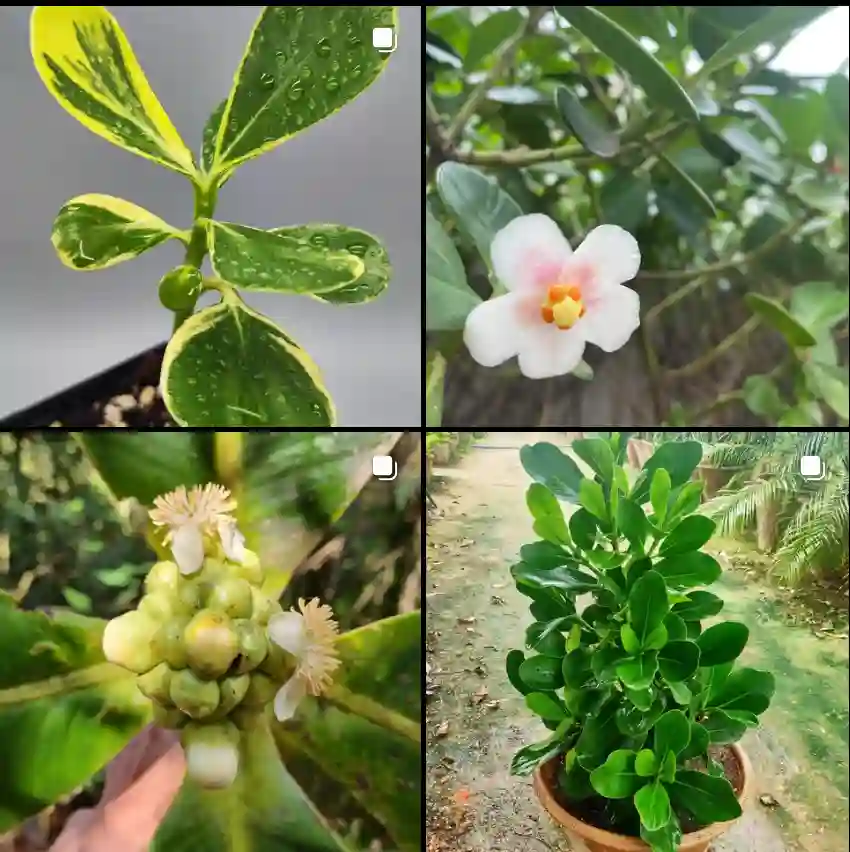
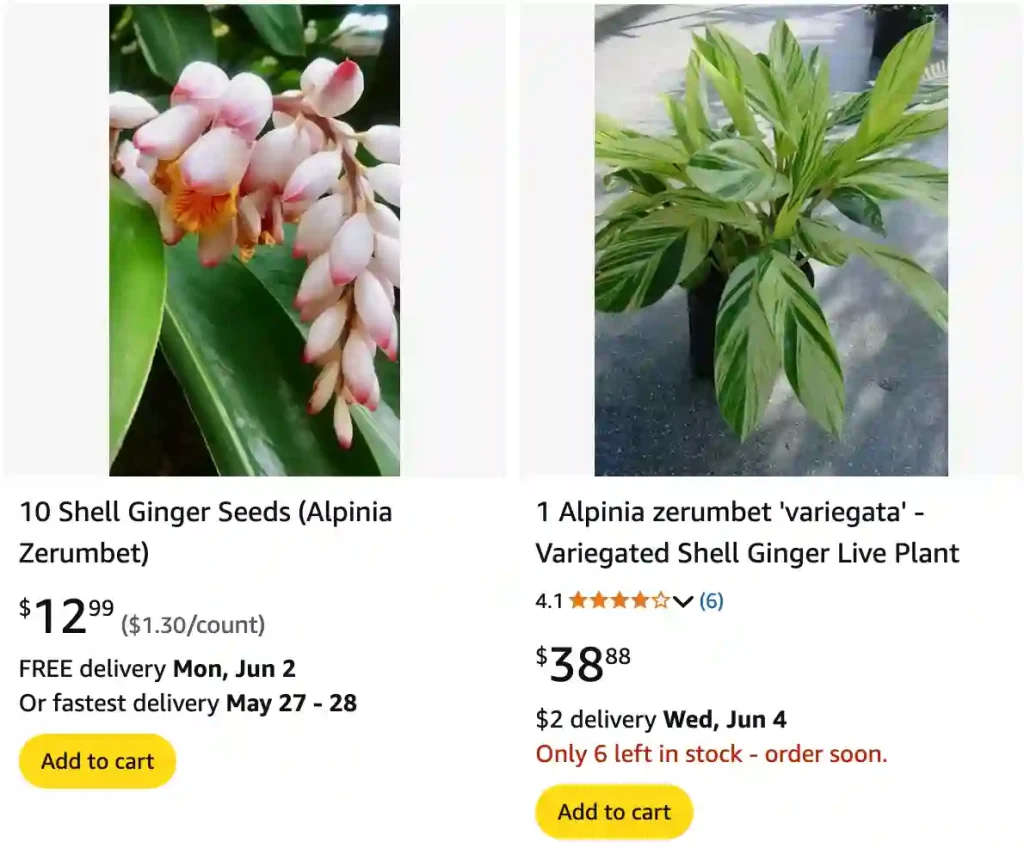
Alpinia Zerumbet, also called Shell Ginger, is a tropical plant native to East Asia and the Pacific Islands. It belongs to the ginger family (Zingiberaceae) and is prized for its broad, glossy leaves and fragrant flowers that look like seashells. The plant grows tall—often up to 6 to 10 feet—and adds a lush, exotic vibe wherever it’s planted.
I love how its variegated leaves add texture and color without needing constant care. It’s not just ornamental; people use its leaves in cooking, traditional medicine, and even for making teas. That’s why it’s sometimes called “Pink Porcelain Lily,” referring to its delicate flower shapes.
How Do You Care for Alpinia Zerumbet?
I find Alpinia Zerumbet pretty easy to care for, but there are some key points:
- Light: It thrives in partial to full sun. Indoors, bright indirect light is best. Too much direct sun can scorch the leaves, but it needs enough light to maintain its variegation.
- Water: I water mine regularly, keeping the soil moist but not soggy. It doesn’t like to dry out completely.
- Temperature: It prefers warm, tropical conditions and is not frost-tolerant. I keep mine in a warm spot during colder months.
- Soil: Well-draining, fertile soil works best. I mix organic matter to keep the soil rich and airy.
- Humidity: Being a tropical plant, it loves humidity. I mist it sometimes or keep it in a humid room.
- Fertilizer: During the growing season, I feed mine monthly with a balanced fertilizer to encourage lush growth.
Can Alpinia Zerumbet Grow Indoors?
Yes! I’ve had great success growing Alpinia Zerumbet indoors. The key is to mimic its natural environment as much as possible. I place mine near a window with bright, filtered light and use a humidifier during dry seasons.
If you live somewhere with cold winters, keeping it indoors is a must because it won’t survive frost. Just be sure to avoid drafts and sudden temperature changes, which can stress the plant.
How Does Alpinia Zerumbet Compare to Other Ginger Plants?
Compared to other ginger relatives like Alpinia Purpurata (Red Ginger) or Curcuma (Turmeric), Alpinia Zerumbet stands out for its variegated foliage and elegant flowers. The leaves are broader and more colorful than many gingers, making it a favorite for ornamental planting.
Unlike turmeric, which is primarily grown for its rhizomes, Alpinia Zerumbet is appreciated for both its foliage and flowers. Also, its shell-shaped flowers are more delicate and pastel-colored than the bright red spikes you see on Red Ginger.
In terms of care, Alpinia Zerumbet is somewhat similar to other tropical gingers, needing warmth, humidity, and consistent moisture. But its adaptability to indoor growth is a big plus if you want a tropical look without a full garden.
Is Alpinia Zerumbet Invasive?
One concern I’ve heard is whether Alpinia Zerumbet can be invasive. In some tropical and subtropical areas, it can spread if left unchecked because it grows from rhizomes underground.
If you plant it outdoors, keep an eye on its spread. I recommend planting it in containers or using root barriers in the garden to prevent unwanted spreading. Indoors, of course, this isn’t a problem.
What Are the Common Uses of Alpinia Zerumbet?
I love that this plant is more than just a pretty face. Here are some uses:
- Ornamental: It’s popular in tropical landscaping and as a houseplant.
- Culinary: In some cultures, the leaves are used to wrap food or to add flavor.
- Medicinal: Traditional uses include teas made from leaves for digestive health and relaxation.
- Aromatic: The leaves emit a subtle ginger scent when crushed, adding a refreshing aroma to your space.
How Do You Propagate Alpinia Zerumbet?
Propagation is straightforward. I usually divide the rhizomes during spring. Here’s how I do it:
- Carefully dig up the plant.
- Separate the rhizomes, ensuring each section has roots and shoots.
- Replant them in moist, fertile soil.
- Keep the new plants warm and watered until they establish.
You can also propagate from stem cuttings, but rhizome division is faster and more reliable.
What Are Some Common Problems and Pests?
Alpinia Zerumbet is generally hardy, but I’ve noticed some issues to watch for:
- Spider mites: These tiny pests can appear if the air is too dry.
- Scale insects: They sometimes show up on stems and leaves.
- Leaf spots: Overwatering or poor air circulation can cause fungal spots.
- Yellow leaves: Usually a sign of either overwatering or nutrient deficiency.
To avoid problems, I keep my plant clean, check for pests regularly, and maintain good airflow.
How Does Alpinia Zerumbet Compare to Calathea or Alocasia?
If you’re into tropical plants, you might wonder how Alpinia Zerumbet stacks up against Calathea or Alocasia.
- Alpinia Zerumbet: Has tall, bamboo-like stems and variegated, lance-shaped leaves. It’s more upright and architectural.
- Calathea: Known for striking leaf patterns and movement but usually stays smaller and bushier.
- Alocasia: Offers dramatic, large leaves with striking veins but can be more sensitive to environment changes.
For me, Alpinia Zerumbet is a great statement plant if you want something tall and elegant without as much fuss.
Is Alpinia Zerumbet Toxic to Pets?
Good question. From my research and experience, Alpinia Zerumbet is considered non-toxic to cats and dogs. That makes it a safer option for pet owners who want tropical greenery without worrying about poisoning.
Final Thoughts on Alpinia Zerumbet
I’ve enjoyed growing Alpinia Zerumbet because it combines beauty, ease of care, and versatility. Whether you want a tropical statement plant indoors or a lush outdoor feature, it delivers.

If i die, water my plants!