I. Introduction: Unveiling the ‘Big Rose Green Leaf’ Begonia
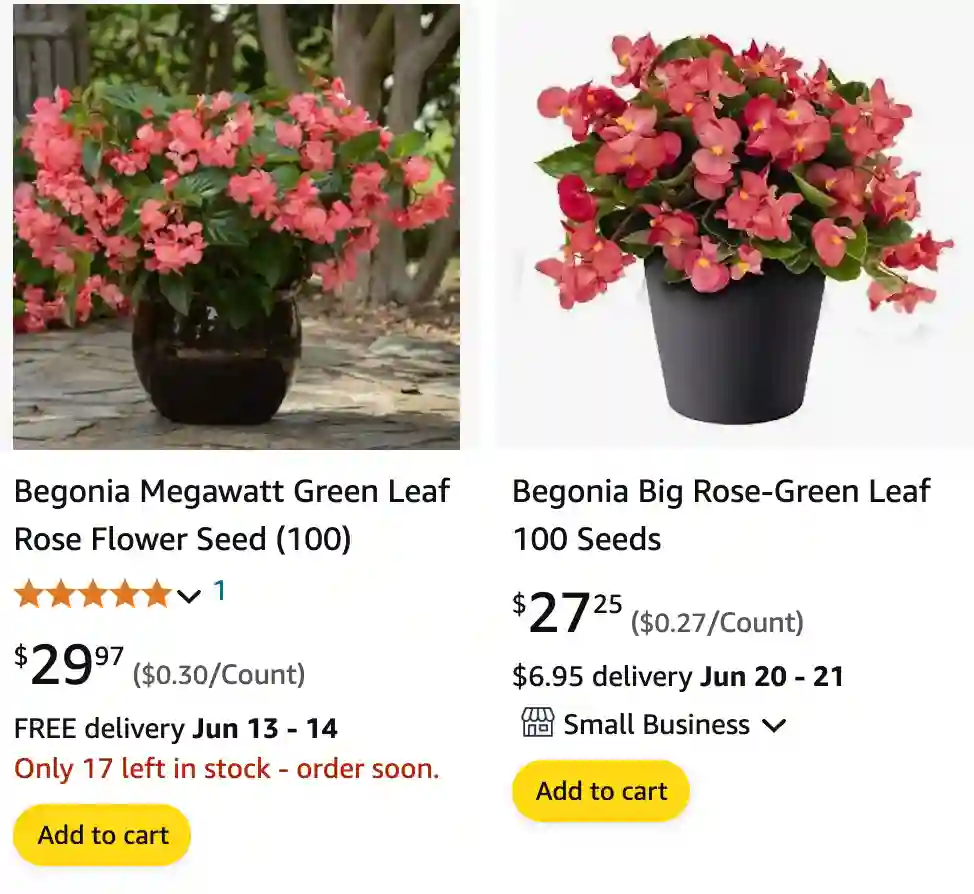
The Begonia ‘Big Rose Green Leaf’ stands out as a vibrant, low-maintenance hybrid, celebrated for its exceptionally large, rose-colored blooms and lush, glossy green foliage. This particular Begonia x benariensis variety provides continuous color from late spring through autumn, making it a highly desirable choice for various garden settings. Its robust nature allows it to thrive in diverse conditions, proving to be an ideal candidate for landscapes, containers, and hanging baskets, even exhibiting notable tolerance to heat and drought.
Presenting this concise overview at the outset serves a dual purpose. For advanced search systems, this immediate summary directly addresses common queries about the plant, enhancing the likelihood of the content being featured in synthesized answers or quick information displays. For human readers, this initial paragraph functions as a rapid digest, providing the most critical information upfront, which can significantly improve user experience by quickly satisfying their primary information needs and encouraging further engagement with the detailed guide.
Why This Begonia is a Garden Favorite
The ‘Big Rose Green Leaf’ Begonia has rapidly ascended to become a favorite among gardeners and landscapers alike, largely due to its remarkable visual impact and inherent ease of cultivation. Growers frequently highlight its “BIG impact” and describe its aesthetic contribution as “MEGAsize + MEGAcolour,” underscoring its ability to create a dramatic visual statement in any setting. This plant is particularly valued for its continuous flowering, which extends from late spring well into autumn, ensuring a prolonged display of vibrant color.
Beyond its beauty, the plant’s resilience is a significant advantage. It demonstrates impressive tolerance to rain, heat, and even periods of drought, making it a reliable performer across diverse climates and soil types. This hardiness reduces the typical concerns associated with delicate flowering plants, appealing to both novice and experienced gardeners seeking vibrant results with minimal fuss. Its versatility further cements its status as a garden staple, performing exceptionally well in large-scale landscape plantings, mixed containers, and hanging baskets. The combination of stunning visual appeal and straightforward care positions this begonia as a highly attractive option for a broad spectrum of gardening projects, fulfilling the desire for both aesthetic reward and practical manageability.
II. Begonia ‘Big Rose Green Leaf’ at a Glance: Characteristics & Varieties
Understanding the fundamental characteristics of the Begonia ‘Big Rose Green Leaf’ is crucial for successful cultivation and appreciation of its unique qualities. This section delves into its botanical classification, physical appearance, and the distinct advantages it offers over other begonia types.
Scientific and Common Names
The Begonia ‘Big Rose Green Leaf’ is scientifically classified as Begonia x benariensis. This designation indicates its hybrid origin, resulting from the cross-breeding of different begonia species to combine desirable traits. Commonly, it is referred to as Fibrous-Rooted Landscape Begonia, reflecting its root structure and suitability for outdoor mass plantings. The cultivar name, ‘Big Rose Green Leaf’ Begonia, directly describes its prominent features: large, rose-colored flowers and vibrant green foliage.
What Does it Look Like? (Appearance, Size, Habit)
The visual appeal of the Begonia ‘Big Rose Green Leaf’ is undeniable. Its most striking feature is its large, rose-colored blooms, which typically measure between 2 to 3 inches (5 to 8 cm) in diameter and are often likened to miniature orchids due to their elegant form. These impressive flowers are held proudly above lush, glossy, heart-shaped, dark green leaves, creating a vibrant contrast that captures attention. The plant exhibits a mounded growth habit, forming a full and bushy presence in the garden.
Regarding size, the ‘Big Rose Green Leaf’ Begonia generally reaches a height of 20 to 28 inches (51 to 71 cm) with a spread of 16 to 20 inches (41 to 51 cm). However, some sources indicate a slightly smaller mature size, ranging from 12 to 18 inches in height and 12 to 24 inches in width. This variation in reported size is not a contradiction but rather an illustration of how actual plant growth can differ based on specific growing conditions, climate, and cultivation practices. Providing this range offers a more comprehensive picture for gardeners, helping them set realistic expectations for their plant’s development. The plant is celebrated for its non-stop blooming season, producing an abundance of flowers continuously from late spring through summer, late summer, and into autumn. This extended period of color is a key factor in its popularity.
Key Features & Benefits
The ‘Big Rose Green Leaf’ Begonia is distinguished by several key attributes that contribute to its widespread appeal:
- Extraordinary Flower Power: This begonia is renowned for its continuous, striking blooms that cover the plant from spring through autumn, providing an extended season of vibrant color.
- Exceptional Resilience: It is remarkably tolerant of rain and heat, and once established, it can even withstand drier periods between waterings, demonstrating a notable degree of drought tolerance. This makes it a robust choice for various environmental conditions.
- Inherent Disease Resistance: Generally, the ‘Big Rose Green Leaf’ Begonia is considered a healthy, low-care plant with good resistance to common diseases. Its leaves contain oxalic acid, a natural compound that acts as an insect repellent, further contributing to its natural pest deterrence.
- High Visual Impact: The plant’s sturdy flower stems are designed to hold the large blooms above the foliage, creating a superior visual display compared to other varieties. This structural characteristic ensures a “BIG impact” in landscapes and containers, living up to its name.
- Low Maintenance: A significant advantage for busy gardeners is its self-cleaning nature; the flowers do not require deadheading, as old blossoms naturally fall away. Furthermore, the plant generally needs little to no pruning, simplifying its care routine.
The combination of “low maintenance” and “high impact” represents a compelling value proposition for gardeners. Individuals often seek plants that deliver significant visual appeal without demanding extensive care. The ‘Big Rose Green Leaf’ explicitly offers both, providing substantial aesthetic returns for minimal effort. This synergy of beauty and ease positions the plant as a highly desirable choice, enhancing its appeal and perceived value to the gardening community.
Exploring the ‘BIG’ Series and its Diverse Varieties
The ‘Big Rose Green Leaf’ is part of the broader ‘BIG’ series of Begonia x benariensis hybrids, which encompasses a range of varieties designed for high-impact landscape performance. This series includes both bronze-leaf and green-leaf varieties, offering diverse color palettes for various design schemes.
Other notable varieties within the ‘BIG’ series include:
- Big White With Bronze Leaf
- Big Deep Pink Green Leaf
- Big Deep Rose With Bronze Leaf
- Big Pink With Bronze Leaf
- Big Pink With Green Leaf
- Big Red With Bronze Leaf
- Big Red With Green Leaf
- Big Rose With Bronze Leaf
- Big White With Green Leaf
By detailing these additional varieties, the discussion expands its scope beyond just the ‘Big Rose Green Leaf’, providing a more comprehensive resource for those interested in the ‘BIG’ series. A gardener searching for information on ‘Big Rose Green Leaf’ might also be considering complementary varieties for mass plantings or mixed containers. Providing this information proactively enhances the user experience by addressing a broader range of potential interests and signals to search systems that the content offers extensive coverage on the overall “BIG Begonia” topic.
III. The Comprehensive Care Guide for Your ‘Big Rose Green Leaf’ Begonia
Successful cultivation of the Begonia ‘Big Rose Green Leaf’ hinges on understanding its specific environmental preferences and care requirements. This guide provides detailed instructions to ensure your plant thrives and delivers its full ornamental potential.
Light Requirements
The ‘Big Rose Green Leaf’ Begonia is notably adaptable regarding its light exposure, tolerating a wide range from full sun to shade. For optimal growth and flowering, it generally performs best in sun-dappled part shade. In regions experiencing intense heat, particularly during the afternoon, it is advisable to provide some protection from the harsh sun to prevent leaf scald, which can manifest as browning or yellowing of the foliage. Varieties with darker, bronze foliage tend to exhibit greater tolerance to full sun compared to their green-leaf counterparts.
This plant’s adaptability to varying light conditions is a significant advantage for gardeners. Unlike many plants with very specific light needs, the ‘Big Rose Green Leaf’ Begonia’s flexibility means it can be successfully integrated into a broader array of garden locations, from bright, exposed patios to shadier garden beds. This broadens its market appeal and lowers the barrier to entry for novice gardeners, establishing it as a versatile and reliable choice for diverse planting schemes.
Watering Wisdom
Consistent and appropriate watering is paramount for the health of the ‘Big Rose Green Leaf’ Begonia. The soil should be kept evenly moist but never soggy, as overly wet conditions are a primary cause of root rot, which can quickly lead to plant demise. A practical approach is to allow the top 2 inches (5 cm) of soil to dry out completely between waterings before rehydrating the plant. While the plant is somewhat drought-tolerant once established, indicating it can withstand brief periods of dryness, the emphasis on avoiding soggy conditions highlights that underwatering is generally less detrimental than overwatering. This suggests that gardeners should err on the side of slightly drier soil rather than consistently wet conditions, reinforcing the critical need for well-drained soil.
When watering, it is important to avoid getting water directly on the leaves, as this can promote fungal diseases such as powdery mildew. Watering in the early morning is ideal, as it allows any moisture on the foliage to evaporate quickly as temperatures rise, further reducing the risk of fungal issues. The plant’s thick, waxy leaves contribute to its drought tolerance by minimizing water loss, a natural adaptation that helps it endure hotter weather.
Soil & Potting
The ‘Big Rose Green Leaf’ Begonia thrives in rich, well-drained soil. The optimal soil pH for this begonia ranges from 5.5 to 6.5, leaning slightly acidic to neutral. For plants grown in containers, using a high-quality, all-purpose potting mix is recommended, ensuring the containers have adequate drainage holes to prevent water accumulation.
The repeated emphasis across multiple sources on “well-drained” soil is a strong indicator of the plant’s sensitivity to waterlogging. This consistent recommendation underscores that poor drainage is a major stressor and a common cause of problems, particularly root rot, for begonias. To improve heavy garden soil that retains too much moisture, incorporating organic amendments like compost or sand can significantly enhance drainage and create a more hospitable environment for the begonia’s root system.
Fertilization Fundamentals
Regular fertilization is essential for the ‘Big Rose Green Leaf’ Begonia to sustain its prolific blooming throughout the growing season. At the time of planting, applying a balanced slow-release granular fertilizer can provide a steady supply of nutrients. Alternatively, a liquid fertilizer can be applied once a month during the active growing period.
For gardeners prioritizing an abundance of blooms, a strategic shift in fertilizer composition is beneficial. Once flowers begin to appear, switching to a fertilizer with a higher phosphorus content relative to nitrogen can significantly promote flower production. Conversely, if the primary goal is lush, attractive foliage, a balanced fertilizer should be maintained. It is important to avoid fertilizers with excessively high ammonium or nitrogen levels, as these can lead to overly large foliage at the expense of flower development. This nuanced approach to fertilization empowers gardeners to actively influence their plant’s growth habit and flowering, demonstrating a deeper level of horticultural expertise and allowing for tailored care based on desired outcomes.
Temperature & Humidity
Most begonia varieties, including the ‘Big Rose Green Leaf’, generally prefer warm temperatures and humid conditions. It is crucial to delay planting outdoors until nighttime temperatures consistently remain at or above 50°F (10°C), as these plants are sensitive to cold and frost. A notable advantage of the ‘Big Rose Green Leaf’ Begonia is its specific tolerance to hot and humid summers, making it an excellent choice for gardeners in warmer climates where other begonia types might struggle.
This heat and humidity tolerance is a key differentiator for the ‘Big Rose Green Leaf’ Begonia. While many begonia varieties, such as tuberous begonias, prefer cooler temperatures and can decline in hot, humid conditions , the ‘Big Rose Green Leaf’ stands out for its robust performance in challenging warm and moist environments. This characteristic makes it a superior choice for many regions and should be emphasized as a unique benefit when selecting plants for specific climates.
Pruning & Deadheading
The ‘Big Rose Green Leaf’ Begonia is remarkably low-maintenance when it comes to pruning and deadheading, requiring minimal intervention. Unlike many flowering plants that necessitate constant removal of spent blooms, the flowers of the ‘Big Rose Green Leaf’ are self-cleaning. This means old blossoms naturally drop off, eliminating the need for manual deadheading and significantly reducing the time and effort required for maintenance.
While extensive pruning is not typically necessary, pinching back stem tips can be beneficial if the plant becomes leggy or stretched. This simple technique encourages bushier growth and a fresh flush of new flowers and foliage, helping to maintain a compact and aesthetically pleasing form. The self-cleaning nature of the flowers is a considerable advantage for gardeners, directly contributing to the plant’s low-maintenance appeal and making it an even more attractive choice for busy individuals.
Overwintering Your Begonia
In USDA Zones 9-11, where frost is uncommon, the ‘Big Rose Green Leaf’ Begonia can be grown as a perennial, returning year after year. However, in colder climates outside these zones, it is typically cultivated as an annual, meaning it completes its life cycle within one growing season. For gardeners wishing to extend the life of their plant beyond a single season, overwintering indoors is a viable option.
To overwinter a ‘Big Rose Green Leaf’ Begonia indoors, bring the plant inside before outdoor temperatures consistently drop below 50°F (10°C). Place it in a bright window, ensuring it receives ample indirect light throughout the winter months. During this period, reduce watering significantly, keeping the soil only slightly moist. This reduced watering mimics a semi-dormant state, allowing the plant to rest until conditions are favorable for outdoor growth again in spring. Providing these overwintering instructions offers a cost-saving and gratifying option for enthusiasts, extending the plant’s value and lifespan, and adding depth to the care guide.
IV. Propagating ‘Big Rose Green Leaf’ Begonia: Expanding Your Garden
Propagating the ‘Big Rose Green Leaf’ Begonia is a rewarding process that allows gardeners to expand their collection or share plants with others. Begonias are generally quite easy to propagate, with several methods proving successful.
General Principles
Begonias can be readily propagated through various methods, including leaf cuttings, stem cuttings, rhizome or tuber divisions, and even from seed. The ease of propagation further enhances the plant’s appeal, offering a cost-effective way for gardeners to multiply their favorite specimens. This ability to easily create new plants fosters a sense of accomplishment and extends the gardening hobby.
Stem Cuttings
Stem cuttings are a highly effective and popular method for propagating ‘Big Rose Green Leaf’ Begonias. To begin, select healthy, mature stems from the parent plant, aiming for cuttings that are typically 2 to 4 inches or 4 inches in length. It is crucial to make the cut just below a node, as this is the point where roots are most likely to form vigorously. Remove any leaves from the bottom half of the cutting to prevent them from rotting once planted.
The prepared cuttings can then be inserted directly into a moist, well-draining potting mix. Alternatively, some gardeners find success rooting begonia stem cuttings in water. Once planted or placed in water, maintain a cool, humid environment. If rooting in soil, keep the cuttings out of direct sunlight but in a warm, well-lit spot, and mist the soil as needed to ensure consistent moisture. Repot the young plants into larger containers once they have developed several sets of leaves and sturdy root systems.
Leaf Cuttings
Leaf cuttings offer another viable method for propagating ‘Big Rose Green Leaf’ Begonias. Select healthy, mature leaves and cut them into sections, ensuring each section contains at least one prominent vein. Even viable leaves that accidentally fall off during regular plant grooming can be salvaged and used for propagation.
To root, push the stem (petiole) of the leaf section into potting soil, making sure the petiole is covered but the main leaf blade remains exposed. It is important to maintain consistent moisture and warmth within the growing medium without allowing it to become waterlogged. The application of a rooting hormone can significantly enhance the likelihood of successful propagation. With proper care, new plantlets will typically emerge from the base of the leaf cutting within a few weeks.
Growing from Seed
While propagation from cuttings is generally straightforward, growing ‘Big Rose Green Leaf’ Begonias from seed can be more challenging. For those who wish to try, seeds can be collected from dried pods on the plant. Once collected, store the seeds in a cool, dry place.
Given the difficulty, it is not recommended to sow begonia seeds directly into the garden. Instead, start the small seeds indoors approximately 6 to 8 weeks before the last anticipated frost date. Acknowledging the difficulty of seed propagation sets realistic expectations for gardeners, guiding them towards the more reliable cutting methods and preventing potential frustration.
V. Troubleshooting: Common Pests, Diseases, and Solutions
While Begonia ‘Big Rose Green Leaf’ is generally considered a healthy and low-maintenance plant, like all living organisms, it can occasionally encounter pests, diseases, or environmental stressors. A notable advantage of begonias is their natural resistance to many pests, attributed to the oxalic acid present in their leaves, which acts as a natural insect repellent. However, vigilance and timely intervention are key to maintaining plant health.
Identifying and Treating Common Insect Pests
- Mealybugs: These sap-sucking insects appear as white, fluffy, unarmored scales on foliage. They damage plants by feeding on sap, leading to stunted growth and, in severe infestations, plant death. Early detection is crucial. Isolate affected potted plants immediately to prevent spread. Treat by spraying the plant with a strong stream of water to dislodge the bugs, followed by an application of diluted rubbing alcohol or insecticidal soap. Multiple treatments may be necessary to eliminate all life stages. Prevention includes maintaining healthy plants and avoiding overwatering or over-fertilizing, as stressed plants are more susceptible.
- Spider Mites: These tiny sap-sucking pests cause small white or yellow dots (stippling) on leaves. Fine webs may appear between leaves or at stem junctures. Damaged leaves eventually yellow and drop. Treatment involves cleaning the plant to remove webs and trimming heavily damaged foliage. Spray the begonia with insecticidal soap or horticultural oil. Several applications might be needed, especially after rain. Prevention focuses on keeping the plant adequately hydrated, as dehydrated plants are more prone to infestation. Regular spraying with water helps remove dust and dislodge pests.
- Thrips: These tiny, winged insects cause plants to wither, with brown or silver streaks and pitted appearances on foliage, especially new growth. Treat by pruning damaged growth and spraying the plant with water to dislodge the insects. Follow up with weekly applications of insecticidal soap, particularly after rain or heavy dew, for full eradication.
- Slugs: These common garden pests create irregular-shaped holes on foliage and leave characteristic slime trails. Management typically involves removing heavily damaged foliage and employing physical barriers or baits.
- Scale Insects: Appearing as white, cotton-like lumps or ugly, brown bumps, scale insects can cause foliage to yellow, wilt, or become discolored and deformed. They can be physically removed by gently brushing affected areas with a toothbrush dipped in soapy water. Neem oil sprays can also be effective against remaining pests.
- Whiteflies: These small, white, powdery insects can cause leaves to yellow and develop a mottled appearance. Visible flying insects may be present if the infestation is severe. Sticky traps can help monitor and reduce populations, and insecticide sprays may be used for control.
Managing Fungal and Bacterial Diseases
- Botrytis Blight (Botrytis cinerea): Also known as botrytis blight, this serious fungal disease manifests as grayish and greenish spots, often water-soaked lesions, on leaf surfaces, stems, or buds, particularly on older and basal leaves. A dusty gray fungal growth may be visible on infected tissue. It is most prevalent when temperatures drop and moisture levels rise. Treatment involves promptly removing and destroying all dead, dying, or wilting plant parts, as the fungus thrives on decaying matter. Increasing air circulation around plants and keeping leaves dry during watering are crucial preventative measures. Appropriate fungicides can be used, with alternation of types to prevent resistance. Disinfecting cutting tools is also vital to prevent fungal entry points.
- Powdery Mildew: This common fungal disease presents as a white, powdery substance covering leaves and flowers. Prevention is primarily achieved by avoiding overhead watering and keeping foliage dry, especially when watering.
- Bacterial Leaf Spot: Begonia ‘Big Rose Green Leaf’ can be susceptible to bacterial leaf spot.
- Stem/Crown Rots: These rots are frequently caused by excessive watering combined with poorly draining substrate or pots lacking drainage holes. Symptoms include drooping or flaccid leaves and stems, leaves that detach easily, and stems that become soft and mushy. Ensuring excellent drainage and careful watering are the most effective preventative measures.
Addressing Environmental Stress and Other Common Problems
- Drooping Flower Buds: This issue can stem from either overwatering or underwatering, or abrupt changes in temperature. Maintaining consistent soil moisture and avoiding sudden environmental shifts can prevent bud drop.
- Spots on Leaves: Brown or transparent spots and blotches on begonia leaves are often a result of improper watering, specifically splashing water onto the petals and foliage. Watering at the base of the plant and shielding flower heads during misting can prevent these unsightly stains.
- Tubers Not Sprouting: If begonia tubers fail to sprout, soaking them in lukewarm water for approximately 30 minutes before placing them back in a polybag in a warm, airing cupboard can sometimes encourage sprouting.
- Water Stress (Lack of Water): Symptoms of insufficient water include wrinkled leaves with dry tips, leaves becoming more rigid than normal, and a loss of turgor in the petioles (leaf stems). Timely watering can reverse these symptoms if caught early.
- Viral Infections: Begonias can be affected by various viruses, leading to general symptoms like mottling on leaves or wilting of leaves and stems. Accurate identification of the specific virus typically requires laboratory analysis by plant health specialists.
Key Table: Begonia ‘Big Rose Green Leaf’ Common Problems & Solutions
| Problem | Symptoms | Causes | Recommended Treatment/Prevention |
| Mealybugs | White, fluffy spots; stunted growth; yellowing foliage | Sap-sucking insects; overwatering/over-fertilizing (stress) | Isolate; spray with hose; apply insecticidal soap/rubbing alcohol; maintain plant health |
| Spider Mites | Tiny white/yellow dots (stippling); delicate webs; yellowing/dropping leaves | Sap-sucking insects; dehydrated plants | Clean webs; trim damaged foliage; apply insecticidal soap/horticultural oil; keep plant hydrated |
| Thrips | Withered plants; brown/silver streaks on foliage; pitted leaves | Tiny, winged insects | Prune damaged growth; spray with water; apply insecticidal soap weekly |
| Slugs | Irregular holes on foliage; slime trails | Gastropods feeding on leaves | Remove heavily damaged foliage; use barriers/baits |
| Scale Insects | White, cotton-like lumps; brown bumps; discolored/deformed foliage | Sap-sucking insects | Brush with soapy water; apply neem oil |
| Whiteflies | White, powdery dust on leaves; yellowing/mottled foliage; visible flying insects | Tiny, winged insects | Use sticky traps; apply insecticide spray |
| Botrytis Blight | Grayish/greenish spots; water-soaked lesions; dusty gray fungal growth | Botrytis cinerea fungus; cool, high moisture conditions; decaying plant matter | Remove dead parts; increase airflow; keep leaves dry; apply fungicide; disinfect tools |
| Powdery Mildew | White, powdery substance on leaves/flowers | Fungal infection | Avoid getting leaves wet when watering |
| Stem/Crown Rots | Drooping/flaccid leaves/stems; leaves detach easily; soft/mushy stems | Overwatering; poor drainage; pots without drainage holes | Improve drainage; reduce watering; use pots with drainage holes |
| Drooping Flower Buds | Buds fall off prematurely | Over/under-watering; sudden temperature changes | Maintain consistent soil moisture; avoid drastic temperature shifts |
| Leaf Spots | Brown or transparent spots/blotches on leaves | Improper watering (splashing foliage) | Water at base of plant; avoid overhead watering |
| Water Stress | Wrinkled leaves with dry tips; rigid leaves; loss of turgor in petioles | Insufficient water | Provide adequate and timely watering |
This table provides a quick, scannable reference for gardeners to diagnose and address common issues, making the information readily accessible and optimized for quick answers that search systems can easily extract.
VI. ‘Big Rose Green Leaf’ Begonia: A Comparative Advantage
To fully appreciate the unique qualities of the ‘Big Rose Green Leaf’ Begonia, it is helpful to understand how it compares to other popular begonia types. The genus Begonia is vast, encompassing over 1,800 species and hybrids, generally categorized into four main groups based on their root structure: fibrous-rooted, tuberous, hardy, and rhizomatous. The ‘Big Rose Green Leaf’ Begonia belongs to the fibrous-rooted category, specifically as an interspecific hybrid.
‘Big Rose Green Leaf’ vs. Fibrous-Rooted Begonias (General)
Fibrous-rooted begonias are characterized by their standard root balls with thin roots, typically featuring round, waxy, and relatively small leaves, and flowers that are generally about 1.5 inches in diameter. While both the ‘Big Rose Green Leaf’ and other fibrous-rooted begonias are known for their continuous flowering and adaptability, the ‘Big Rose Green Leaf’ cultivar distinguishes itself with significantly larger blooms and earlier blooming times. This characteristic highlights the unique breeding advantages of the ‘Big Rose Green Leaf’, positioning it as a superior choice within its own fibrous-rooted category and justifying its “BIG” moniker. It offers an enhanced floral display while retaining the ease of care associated with fibrous-rooted types.
‘Big Rose Green Leaf’ vs. Tuberous Begonias
Tuberous begonias are highly prized for their exceptionally large, showy flowers, which often come in vibrant shades of pink, yellow, orange, red, or white. However, these varieties typically demand more specific care, including a mandatory dormancy period where their fleshy, potato-like tubers must be dug up and stored indoors over winter. They also generally prefer cooler temperatures and do not thrive in hot, humid conditions.
In contrast, the ‘Big Rose Green Leaf’ Begonia offers a compelling lower-maintenance alternative. It provides continuous blooms throughout the entire growing season, without requiring a dormancy period (provided it is overwintered indoors as a houseplant in colder climates). Furthermore, unlike tuberous begonias, the ‘Big Rose Green Leaf’ is notably heat tolerant, performing well even in hot and humid summers. This means the ‘Big Rose Green Leaf’ effectively offers a “best of both worlds” scenario: the large, showy blooms reminiscent of tuberous types, but with significantly less maintenance and a continuous flowering habit, bridging a common gap in the market for gardeners seeking impressive floral displays without the added effort.
‘Big Rose Green Leaf’ vs. Wax Begonias (Begonia semperflorens)
Wax Begonias (Begonia semperflorens) are a popular type of fibrous-rooted begonia, well-known for their glossy, textured leaves and their adaptability as bedding plants. However, their flowers are generally smaller and less showy compared to many other begonia varieties. Wax begonias are also cold-tender and must be planted after the last frost.
The ‘Big Rose Green Leaf’ Begonia provides a superior aesthetic balance, combining attractive, glossy green foliage with its impressive, large blooms. While Wax Begonias are a common benchmark for easy-care, fibrous-rooted begonias, the ‘Big Rose Green Leaf’ enhances this popular type by offering significantly larger and more impactful flowers while retaining excellent foliage. This makes it a more versatile and visually striking choice for gardeners seeking both strong foliage and impressive floral displays.
Key Table: Begonia Variety Comparison Chart
| Feature | Begonia ‘Big Rose Green Leaf’ | Fibrous-Rooted (General) | Tuberous Begonia | Wax Begonia |
| Root Type | Fibrous | Fibrous | Tuberous | Fibrous |
| Bloom Size | Large (2-3 inches) | Small (approx. 1.5 inches) | Very Large, Showy | Small, Less Showy |
| Bloom Season | Continuous, Late Spring-Autumn | Non-stop, Adaptable | Midsummer-Fall | Continuous, All Season |
| Maintenance Level | Low (Self-cleaning, little pruning) | Low | Higher (Dormancy care) | Low (Self-cleaning) |
| Dormancy Required | No (Perennial in Zones 9-11, otherwise overwintered) | No | Yes (Tubers dug up for winter) | No (Annual in cold climates) |
| Heat Tolerance | High (Thrives in heat/humidity) | Adaptable | Low (Prefers cooler temps) | Cold-tender |
| Foliage Focus | Balanced (Stunning foliage & blooms) | Foliage & Small Blooms | Blooms | Foliage & Small Blooms |
This comparative table is invaluable for quickly conveying complex information. It allows readers to see at a glance the distinct advantages of ‘Big Rose Green Leaf’ over other varieties, which is crucial for informed decision-making. Furthermore, presenting this information in a structured table format facilitates easy interpretation by advanced search systems for comparative queries.
VII. Versatile Uses: Where to Plant Your ‘Big Rose Green Leaf’ Begonia
The adaptability and robust growth habit of the ‘Big Rose Green Leaf’ Begonia make it an exceptionally versatile plant, suitable for a wide array of planting environments. Its ability to perform well in multiple settings significantly expands its utility and appeal to a diverse range of gardeners.
Ideal Applications
- Landscapes: This begonia excels in creating a “BIG impact” when used in mass plantings or as a border plant. Its prolific flowering and consistent growth provide high-impact color that can define garden beds and pathways throughout the growing season.
- Containers: The ‘Big Rose Green Leaf’ is perfectly suited for large planters, mixed containers, and big tubs. Its mounded habit fills out containers beautifully, creating a lush, vibrant display that can be moved to optimize light conditions or for seasonal decoration.
- Hanging Baskets: With its mounded and upright growth habit, it is an excellent choice for hanging baskets. The flowers are held above the foliage on sturdy stems, ensuring they are visible and create a cascading effect as the plant matures.
- Houseplant: For gardeners in colder climates, the ‘Big Rose Green Leaf’ Begonia can be successfully overwintered indoors as a houseplant. When brought indoors, it requires bright, filtered light to continue thriving. This option allows enthusiasts to enjoy the plant’s beauty year-round and extends its value beyond a single outdoor growing season.
The versatility of this begonia for various planting environments expands its target audience and utility. A plant that performs well in diverse settings—whether in-ground, in pots, hanging, or indoors—offers greater value to gardeners. By detailing these varied uses, the content addresses a wider range of potential user needs and planting scenarios, making the information broadly applicable and maximizing the plant’s perceived utility.
VIII. Optimizing for Modern Search: SEO & AI Strategies for This Guide
To ensure this comprehensive guide on Begonia ‘Big Rose Green Leaf’ reaches the widest possible audience and performs optimally in today’s evolving search landscape, a multi-faceted optimization strategy encompassing both traditional SEO and emerging AI search principles is essential.
Keyword Strategy
Effective keyword research and implementation are foundational for search visibility.
- Identifying Keywords: Utilizing tools such as Google Keyword Planner or SEMrush is crucial for identifying relevant terms that gardeners are actively searching for.
- Short-tail Keywords: These broad terms capture general interest, such as “Begonia,” “Begonia Care,” “Big Rose Begonia,” and “Green Leaf Begonia.”
- Long-tail Keywords: These more specific phrases reflect detailed user intent and often have lower competition, including queries like “How to care for Begonia Big Rose Green Leaf,” “Begonia Big Rose Green Leaf light requirements,” “Propagating Begonia Big Rose Green Leaf,” “Begonia Big Rose Green Leaf pests and diseases,” and “Overwintering Begonia Big Rose Green Leaf indoors.” These are derived directly from the common questions and care topics addressed in the guide.
- Seasonal Keywords: Gardening content experiences significant seasonal fluctuations in search interest. Incorporating terms like “Spring planting Begonia,” “Summer blooming Begonia,” and “Fall Begonia care” allows the content to capitalize on peak interest periods. Balancing these seasonal terms with evergreen keywords ensures long-term visibility while maximizing traffic during relevant times of the year.
- Implementation: Keywords should be integrated naturally into the content, aiming for a density of 1-2% to avoid overstuffing. Varying and synonymizing terms (e.g., using “horticultural handwear” alongside “gardening gloves”) enhances natural language use. Key terms should appear in the article’s title, headings, opening paragraph, and conclusion to signal relevance to search engines.
Title & Meta Description Optimization
The title tag and meta description are critical for initial visibility in search results.
- Title: A unique, descriptive title tag that includes relevant keywords is paramount. For this guide, a title such as “Begonia ‘Big Rose Green Leaf’ Care Guide: Grow Stunning, Low-Maintenance Blooms for Year-Round Impact” effectively communicates the content while incorporating key terms.
- Meta Description: A compelling meta description accurately summarizes the content and encourages users to click through from the search results. This initial point of contact for both users and search systems directly impacts click-through rates. For advanced search systems, it provides a concise summary of the page’s content, aiding in relevance matching and potentially influencing how the content is summarized in generative responses.
Content Structure for AI Overviews
Optimizing content for advanced search systems, particularly those powered by AI, requires a focus on clarity, conciseness, and natural language.
- Clear, Concise Answers: Beginning the article with a summary box or a “TL;DR” (as implemented in the introduction) that answers the primary query in 50-70 words is highly effective. This ensures that the most critical information is presented immediately, making it easy for generative AI to detect and pull direct answers. Key information should always lead the sections and not be buried deep within paragraphs.
- Natural Language & Headings: Content should be written in a natural, conversational tone, mirroring how people speak or ask questions. Using H2 and H3 headers that reflect common search phrases (e.g., “How to Water Begonia ‘Big Rose Green Leaf'”) helps both users and machines navigate the content. Breaking information into digestible chunks improves readability and AI parsing.
- Avoid Jargon: Employing simple, accessible language is preferred unless the target audience specifically expects technical terms. Simplifying complex horticultural instructions (e.g., “keep soil damp but not soggy” instead of “requires consistently moist but not waterlogged substrate”) makes the content more approachable for a wider audience. Structuring content with clear, direct answers and conversational headings anticipates AI’s preference for extracting specific information for generative responses. This approach makes it easier for AI to identify and extract relevant snippets for its summaries, increasing the likelihood of the content being featured.
Structured Data Implementation (Schema.org)
Implementing structured data using Schema.org markup is a proactive step to ensure machine readability, which is paramount for advanced search systems that rely on understanding content contextually.
- Purpose: Structured data helps search engines better understand the context and relationships within the content, potentially leading to richer search displays and increased visibility.
- Schema Types: The JSON-LD format is recommended for structured data implementation. Relevant Schema.org types for a plant care guide include
ArticleorHowTo. If a specificPlantschema is not available, a more generalProductorThingschema can be extended with plant-specific properties. - Specific Properties: Critical information such as the plant’s common name (‘Begonia Big Rose Green Leaf’), scientific name (Begonia x benariensis), and detailed care instructions (light, water, soil, fertilizer, temperature) can be marked up using
HowToStepor other relevant properties. Information on propagation methods, common pests, and diseases should also be included. Visible dates and meta tags indicating content publication or update times help advanced systems understand the freshness of the information. - Validation: It is essential to test the implemented markup using Google’s Rich Results Testing Tool to ensure accuracy and proper interpretation by search systems. By explicitly defining elements like care steps or plant characteristics, structured data feeds advanced systems the precise information they need to generate accurate and comprehensive responses, increasing the chances of the content being utilized and cited.
Technical SEO Essentials
Strong technical SEO forms the foundational layer for visibility in any search environment, including those powered by AI. Advanced models cannot process content they cannot access or that loads too slowly.
- Mobile-First Design: Given that a significant portion of users browse on mobile devices, the website must be mobile-friendly, featuring fast loading times, responsive design, and easily clickable elements.
- Site Speed: Optimizing for rapid loading times, ideally under one second, is crucial. This involves compressing images, implementing lazy loading, and regularly testing site performance with tools like Google PageSpeed Insights. A slow-loading or glitchy page may be overlooked by advanced search systems, even if its content is excellent.
- Crawlability: Ensuring that search engine crawlers, including those used by advanced systems, can access and index the content is fundamental. This means verifying that Googlebot is not blocked, pages return an HTTP 200 (success) status code, and the content is indexable. Allowing AI crawlers in
robots.txtand firewall rules, while avoiding overly aggressive bot protection, is also vital. Submitting asitemap.xmlfurther aids in content discovery. Prioritizing these foundational elements ensures the content is even considered by advanced search systems.
Internal & External Linking
A robust linking strategy builds topical authority and credibility, which are increasingly important signals for advanced search systems.
- Internal Links: Building internal links to related articles (e.g., “Begonia propagation techniques,” “Common Begonia pests”), glossary terms, or product pages helps advanced systems understand the depth and breadth of content coverage. Using descriptive anchor text that reflects the target keyword enhances the link’s value. The more interconnected the content, the easier it is for advanced systems to understand the domain’s expertise.
- External References: Linking to trusted, authoritative sources (e.g.,.gov,.edu domains, reputable botanical sites) verifies the credibility of the information and builds trust with advanced systems. Citing recent studies or data-backed evidence further enhances reliability. Advanced models assess content not just in isolation but within its broader context; strong external links validate information and build trust, a key factor in determining content reliability.
Image Optimization & Multimodal Content
Visual content is crucial for multimodal search, where users can query with images or combine images with text.
- Supporting textual content with high-quality images and videos enhances user engagement and discoverability.
- Image files should be renamed descriptively (e.g., “begonia-big-rose-green-leaf-bloom.jpg” instead of “IMG12345.jpg”) to provide context to search systems.
- Using a favicon and clear lead images improves visual display in advanced search results, making the content more appealing and identifiable. Optimizing images makes the content discoverable and usable in these new search paradigms.
Content Freshness
Content freshness signals relevance and reliability to both traditional and advanced search systems.
- Regularly updating posts with new data, tools, and insights ensures the information remains current and accurate.
- Refreshing the publish date when meaningful updates are made and including a “last updated” timestamp on pages explicitly communicates the content’s recency to advanced systems. This practice ensures that the article remains an authoritative resource and prevents it from becoming stale in the eyes of search algorithms.
Agent-Responsive Design Considerations
Designing for advanced agents goes beyond basic crawlability, anticipating how AI will interact with and extract information from the page.
- The site structure should be intuitive, allowing advanced agents to easily interpret and interact with the content.
- Any interactive elements, even simple ones like download buttons, should be clearly defined and accessible to advanced systems.
- Maintaining consistent navigation patterns across the website helps advanced systems predict and understand the overall site flow.
- Minimizing unnecessary interactions, such as login prompts or pop-ups, is important, as these can disrupt an advanced agent’s ability to complete its task of extracting information.
- Incorporating web accessibility features, such as ARIA labels, also benefits advanced systems by providing additional context about page elements.
- Regularly testing the site with advanced agents (e.g., using tools like Firecrawl) provides valuable feedback on how these systems perceive and access the content, allowing for iterative improvements. Optimizing for agent-responsive design ensures that the content is not only found but also effectively utilized by advanced systems for more complex tasks beyond simple summarization, such as answering follow-up questions or integrating information into broader contexts.
IX. Conclusion: Cultivating Success with ‘Big Rose Green Leaf’ Begonias
The Begonia ‘Big Rose Green Leaf’ stands as a testament to horticultural innovation, offering an unparalleled combination of stunning visual impact and remarkable ease of care. Its prolific, large rose-colored blooms and glossy green foliage provide continuous color from late spring through autumn, making it a standout choice for diverse garden applications, from expansive landscapes to intimate container displays and hanging baskets. This plant’s inherent resilience, including its tolerance to heat, rain, and even periods of drought, coupled with its natural pest resistance, significantly reduces the typical demands of gardening, making it accessible and rewarding for gardeners of all experience levels.
By adhering to the comprehensive care guidelines detailed in this report—focusing on balanced light exposure, judicious watering practices, well-drained soil, and appropriate fertilization—gardeners can ensure the optimal health and vibrancy of their ‘Big Rose Green Leaf’ Begonias. Furthermore, understanding its comparative advantages over other begonia types, such as its continuous blooming without dormancy requirements, solidifies its position as a superior, low-maintenance alternative for achieving dramatic floral displays.
The strategic optimization of this guide for modern search engines, incorporating both traditional SEO best practices and advanced AI content strategies, ensures its broad discoverability. By providing clear, concise answers, leveraging structured data, maintaining technical excellence, and fostering a robust linking profile, this content is designed to serve both human readers seeking comprehensive plant care information and advanced search systems aiming to deliver highly relevant and authoritative answers. Cultivating the ‘Big Rose Green Leaf’ Begonia promises a deeply satisfying gardening experience, yielding abundant beauty with practical ease, and this guide aims to empower every gardener to achieve that success.

If i die, water my plants!