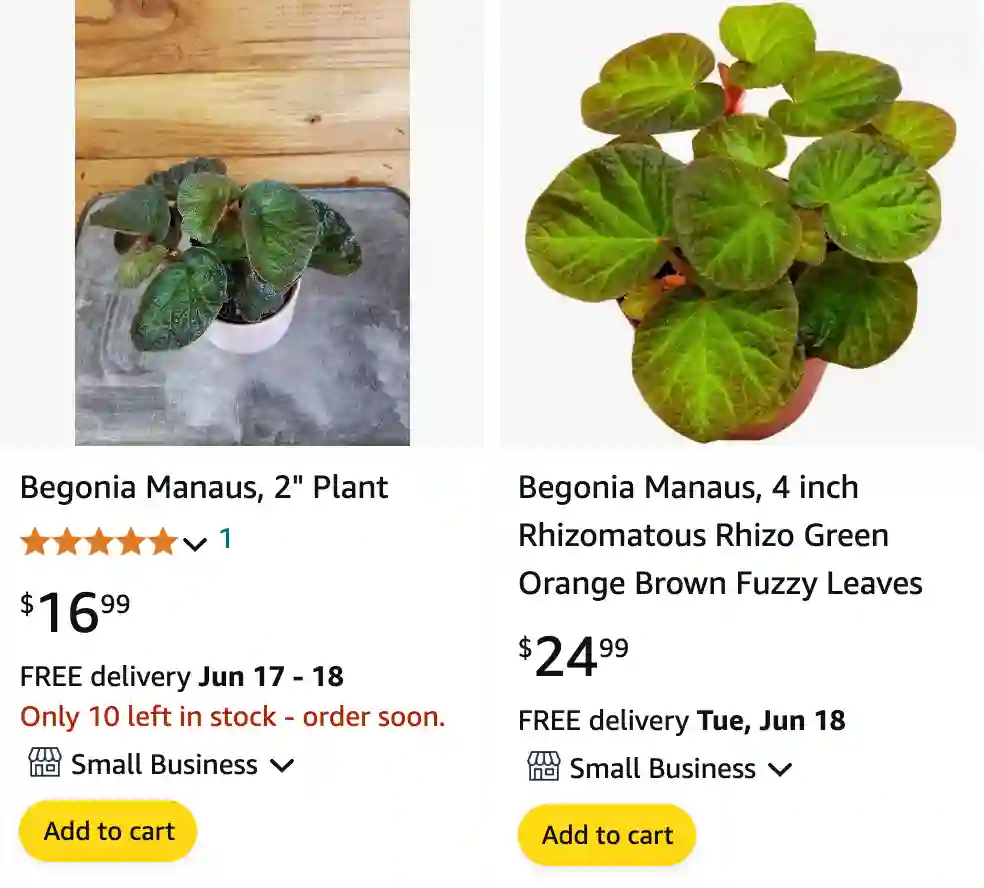
In the vast and varied world of houseplants, few genera capture the imagination quite like Begonias. With their astonishing diversity in leaf shape, color, and texture, they offer a living canvas for any plant enthusiast. Among these botanical treasures, Begonia Manaus stands out as a true jewel, celebrated for its captivating foliage and relatively straightforward care. This article delves deep into the world of Begonia Manaus, offering a comprehensive guide to its cultivation, unique characteristics, and a personal time-lapse chronicle of its growth over a year, seen through the eyes of a dedicated gardener.
Unveiling Begonia Manaus: A Botanical Profile
Begonia Manaus is not a wild species discovered in a remote jungle, but rather a remarkable hybrid cultivar. While its precise lineage can be somewhat elusive, it is widely understood to be a cross between two Brazilian species: Begonia thelmae and Begonia soli-mutata. This parentage hints at its tropical origins and explains its preference for warm, humid environments, reminiscent of the lush Amazon rainforests from which its ancestors hail. The name “Manaus” itself is a nod to the vibrant city in the heart of the Amazon, evoking images of verdant landscapes and rich biodiversity.
This hybrid has quickly gained popularity among plant collectors and enthusiasts for its striking visual appeal and manageable growth habits, especially within controlled environments like terrariums or as a prized houseplant. Its resilience and beauty make it a rewarding addition to any indoor garden.
The Distinctive Allure of Begonia Manaus
What truly sets Begonia Manaus apart is its extraordinary foliage. Unlike many begonias grown primarily for their flowers, Manaus is a foliage-first plant, though its delicate blooms add an extra layer of charm.
Foliage: A Symphony of Texture and Color
The leaves of Begonia Manaus are its crowning glory. They are typically round to ovate, exhibiting a rich dark green base color that is beautifully contrasted by lighter green highlights and intricate venation. This striking pattern creates a mesmerizing visual depth. But the real magic lies in the tiny, dense red to pink hairs, or trichomes, that completely cover the leaf surface. These trichomes give the foliage a unique, velvety, almost iridescent texture that shimmers under indirect light, making each leaf a miniature work of art. The undersides of the leaves often carry a reddish or crimson hue, adding to its multi-dimensional appeal.
When mature, the leaves can reach impressive sizes, often up to 4 inches in diameter, and even larger in optimal, high-humidity terrarium conditions. The petioles (leaf stalks) are also distinctive, often displaying a reddish to crimson coloration, further enhancing the plant’s vibrant palette.
Flowers: Delicate Accents
While the foliage steals the show, Begonia Manaus does produce flowers. These are typically small, white blooms that emerge on delicate stalks, often in clusters. They provide a subtle yet elegant contrast to the bold foliage, appearing frequently when the plant is happy and thriving. These flowers are self-cleaning, meaning they naturally drop off once spent, requiring no deadheading.
Cultivating Success: A Comprehensive Care Guide
Providing the right environment is key to unlocking the full potential of your Begonia Manaus. Here’s a detailed guide to its optimal care:
1. Light: The Gentle Glow
Begonia Manaus thrives in bright, indirect light. Think of its natural habitat under the canopy of rainforest trees, where sunlight is filtered and never harsh.
- Ideal Placement: An east or west-facing window is often perfect, offering softer morning or late afternoon sun without the intensity of midday rays.
- Avoid Direct Sun: Direct, unfiltered sunlight, especially hot afternoon sun, can easily scorch its delicate leaves, leading to unsightly brown patches.
- Low Light Tolerance: While it can tolerate slightly lower light conditions, prolonged periods in dim areas may lead to leggy growth and less vibrant foliage coloration. If leaves start to look dull or stretched, it’s a sign it needs more light.
2. Watering: The Balanced Approach
This is perhaps the most critical aspect of Begonia Manaus care, as it is susceptible to both overwatering and extreme dryness.
- Moisture Level: The goal is to keep the soil evenly moist but never soggy.
- Checking Soil: Allow the top 1 to 2 inches of soil to dry out completely before watering again. You can test this by sticking your finger into the soil.
- Drainage is Key: Always ensure your pot has adequate drainage holes to prevent water from pooling at the bottom, which is a primary cause of root rot.
- Watering Technique: Water thoroughly until water drains from the bottom of the pot. Discard any excess water from the saucer.
- Avoid Wet Leaves: Try to avoid getting water on the leaves, especially in cooler temperatures or poor air circulation, as this can encourage fungal diseases like powdery mildew. Water the soil directly.
- Drought Tolerance: While somewhat drought-tolerant once established, prolonged dryness will cause the plant to wilt dramatically, and leaves may not fully recover their turgor.
3. Humidity: A Tropical Embrace
High humidity is not just preferred by Begonia Manaus; it’s essential for its vibrant health and growth.
- Ideal Levels: Aim for humidity levels consistently above 60%.
- Signs of Low Humidity: Brown, crispy leaf edges or tips are a common indicator of insufficient humidity.
- Boosting Humidity:
- Humidifier: The most effective method is to place a humidifier near your plant.
- Pebble Tray: A pebble tray filled with water (ensuring the pot sits on the pebbles, not in the water) can create a microclimate of increased humidity.
- Terrariums/Cloches: For optimal humidity and a stunning display, Begonia Manaus thrives in closed or semi-closed terrariums, cloches, or plant cabinets.
- Airflow: While it loves high humidity, good air circulation is crucial to prevent fungal issues. In enclosed spaces like terrariums, a small fan might be beneficial. In open rooms, ensure it’s not in a stagnant corner.
4. Temperature: Warm and Consistent
Begonia Manaus is a warm-growing plant and does not tolerate cold temperatures well.
- Ideal Range: Maintain temperatures between 65-75°F (18-24°C).
- Cold Sensitivity: Temperatures below 50°F (10°C) can cause significant stress, leading to leaf drop or even plant death.
- Winter Care: If you live in a region with cold winters, bring your Begonia Manaus indoors well before temperatures drop. Keep it away from cold drafts from windows or air conditioning vents.
5. Soil: The Foundation of Growth
A well-draining, rich potting mix is fundamental for Begonia Manaus.
- Key Characteristics: The soil should retain some moisture but drain excess water quickly to prevent root rot.
- Recommended Mix: A popular and effective mix is a 50/50 blend of high-quality all-purpose potting mix and perlite. This provides excellent drainage and aeration.
- Other Components: You can also add orchid bark, coco coir, or vermiculite to further enhance drainage and moisture retention.
- pH Level: Begonia Manaus generally prefers a neutral to slightly acidic soil pH.
6. Fertilizing: Nourishment for Vigor
Regular feeding during the growing season will promote robust growth and vibrant foliage.
- Frequency: During the active growing season (spring and summer), fertilize once a month. Reduce or stop fertilizing in fall and winter when growth slows.
- Type of Fertilizer:
- Balanced Liquid Fertilizer: Use a balanced liquid houseplant fertilizer diluted to half or quarter strength.
- Slow-Release Granular: A balanced slow-release granular fertilizer can be incorporated into the soil at the time of planting or repotting.
- Foliar Feeding: Some growers find that Begonia Manaus responds well to foliar feeding with dilute seaweed or fish emulsion solutions. Apply as per the manufacturer’s instructions.
- Avoid Over-Fertilizing: Too much fertilizer can burn the roots. Always err on the side of less.
7. Pruning: Shaping and Encouraging Bushiness
Begonia Manaus is relatively low-maintenance when it comes to pruning, but occasional trimming can encourage a bushier, more compact plant.
- Leggy Growth: If your plant becomes leggy (stretched out with sparse leaves), you can pinch back the stem tips. This encourages new growth from the nodes below the cut, leading to a fuller appearance.
- Branching: Begonia Manaus responds exceptionally well to pruning and will readily branch out after a trim.
- Maintenance: Remove any yellowing, damaged, or diseased leaves promptly to maintain plant health and aesthetics. Since flowers are self-cleaning, deadheading is not necessary.
8. Repotting: Room to Grow
Repotting provides fresh nutrients and space for root development.
- Frequency: Repot your Begonia Manaus every 12 months, ideally in spring, or when you notice it becoming rootbound (roots circling the pot, water running straight through, or stunted growth).
- Pot Size: Choose a pot that is only one size larger than the current one. Too large a pot can hold excess moisture, increasing the risk of root rot.
- Process: Gently remove the plant from its old pot, loosen any circling roots, and repot with fresh, well-draining soil. Water thoroughly after repotting.
Propagation: Multiplying the Beauty
One of the joys of growing Begonia Manaus is its ease of propagation, allowing you to create new plants from existing ones. This is a fantastic way to share with friends or expand your collection.
1. Stem Cuttings: The Most Common Method
- Selection: Choose a healthy stem section with at least 2-3 nodes (points where leaves emerge). Aim for a cutting about 4-6 inches long.
- Preparation: Make a clean cut just below a node. Remove any lower leaves that would be submerged in water or soil.
- Rooting Mediums:
- Water: Place the cutting in a clear glass of water, ensuring at least one node is submerged. Change the water every few days to prevent bacterial growth. Roots typically appear within a few weeks. Once roots are about an inch long, you can transfer to soil.
- Moist Soil/Sphagnum Moss: Plant the cutting directly into a small pot filled with a moist, well-draining propagation mix (e.g., perlite and peat moss, or pure sphagnum moss). The high humidity of a propagation box or a plastic dome over the pot will greatly increase success rates.
- Environment: Keep the cuttings in a warm spot with bright, indirect light. High humidity is crucial for successful rooting.
2. Leaf Cuttings: A Slower but Rewarding Method
- Selection: Choose a healthy, mature leaf with its petiole (leaf stem) attached.
- Preparation: Cut the petiole to about 1-1.5 inches long. You can also cut the leaf blade into sections, ensuring each section has a prominent vein.
- Rooting: Insert the petiole into a moist propagation medium (like sphagnum moss or a sandy potting mix), or lay leaf sections flat on the surface with veins touching the medium.
- Humidity: Cover the tray with a humidity dome or plastic wrap to maintain high humidity.
- Patience: This method takes longer than stem cuttings, but eventually, tiny plantlets will emerge from the base of the petiole or along the veins of the leaf sections.
Common Challenges: Pests and Diseases
While Begonia Manaus is generally robust, like all plants, it can encounter issues. Vigilance and prompt action are your best defenses.
Fungal Diseases: The Humidity Double-Edged Sword
High humidity, while essential, can also be a breeding ground for fungal diseases if not coupled with good airflow.
- Powdery Mildew: Appears as white, powdery spots on leaves and stems. It can spread quickly and inhibit photosynthesis.
- Prevention: Improve air circulation, avoid overhead watering, and ensure proper plant spacing.
- Treatment: Remove affected leaves immediately. Apply a fungicidal spray if the infection is severe.
- Botrytis Blight (Gray Mold): Characterized by fuzzy gray moldy patches on leaves, stems, and flowers, often leading to brown, mushy spots. Thrives in cool, damp conditions.
- Prevention: Maintain good airflow, remove dead or dying plant material, and water the soil directly.
- Treatment: Prune away all infected parts. Improve environmental conditions. Fungicides can be used for stubborn cases.
- Root Rot: The most common issue, caused by overwatering and poorly draining soil. Symptoms include yellowing leaves, mushy stems, and a foul odor from the soil.
- Prevention: Ensure excellent drainage, allow soil to dry out between waterings.
- Treatment: If caught early, repot into fresh, dry soil after trimming away any rotten, mushy roots.
Pests: Sap-Sucking Intruders
Begonia Manaus can occasionally fall victim to common houseplant pests.
- Mealybugs: Small, white, cottony insects found in leaf axils and on stems. They suck plant sap, leading to stunted growth and sticky residue.
- Spider Mites: Tiny arachnids that cause fine webbing on leaves and tiny yellow or white stippling (dots) on the foliage. They thrive in dry conditions.
- Scale Insects: Small, immobile bumps on stems and leaves, often brown or black. They also suck sap and excrete honeydew.
- Treatment:
- Isolation: Isolate affected plants immediately to prevent spread.
- Manual Removal: For light infestations, wipe off pests with a cotton swab dipped in rubbing alcohol.
- Insecticidal Soap/Neem Oil: Apply insecticidal soap or neem oil spray according to product instructions. Repeat applications may be necessary.
- Prevention: Inspect new plants carefully before introducing them to your collection. Maintain good plant hygiene.
Begonia Manaus in the Begonia Family Tree
To truly appreciate Begonia Manaus, it helps to understand its place within the broader Begonia genus. Begonias are broadly categorized by their root structure or growth habit:
- Fibrous-rooted Begonias: These have a standard root ball with thin, fibrous roots. Examples include wax begonias (Begonia semperflorens) and cane-like begonias (often called “angel wing” begonias for their distinctive leaf shape and erect, bamboo-like stems). Begonia Manaus is not a fibrous-rooted type.
- Tuberous Begonias: These grow from a fleshy, potato-like tuber and are often grown for their large, showy flowers. They typically go dormant in winter. Begonia Manaus is not a tuberous begonia.
- Rhizomatous Begonias: This is the largest and most diverse group, characterized by a thickened, creeping stem (rhizome) that grows horizontally along or just below the soil surface, sending up new shoots. They are primarily grown for their spectacular foliage. Begonia Manaus falls into this category, inheriting its striking leaf characteristics from its rhizomatous parentage (B. soli-mutata). Like many rhizomatous begonias, it is prized for its intricate leaf patterns and textures.
Understanding this classification helps in providing appropriate care, as rhizomatous begonias generally prefer high humidity, consistent moisture, and bright, indirect light, aligning perfectly with the needs of Begonia Manaus.
A Gardener’s Time-Lapse: My Year with Begonia Manaus
As an avid plant enthusiast, I’ve always been drawn to the unique and the beautiful. When I first encountered Begonia Manaus, with its velvety, intricately patterned leaves, I knew I had to bring one home. What followed was a fascinating year-long journey, a time-lapse of growth, discovery, and the simple joy of nurturing a living masterpiece.
Month 1: The New Arrival – A Tiny Promise (July)
My Begonia Manaus arrived as a small, well-rooted cutting, no more than four inches tall, nestled securely in a tiny nursery pot. Its leaves, though small, already displayed that characteristic dark green with lighter venation and the unmistakable reddish fuzz. It felt delicate, almost fragile, a tiny promise of the lush beauty to come.
I prepared its new home carefully: a small, terracotta pot (with a drainage hole, of course!) filled with a custom mix of high-quality potting soil, plenty of perlite, and a dash of orchid bark for extra aeration. I placed it in a spot on my plant shelf that receives bright, indirect light from an east-facing window, ensuring no direct sun would scorch its tender leaves. To combat my home’s average humidity, I set it on a pebble tray, constantly topped with water. The initial days were all about observation – checking for signs of stress, ensuring the soil wasn’t too wet or too dry. I watered sparingly, letting the top inch of soil dry out before giving it a gentle drink.
Month 2: Settling In and Subtle Shifts (August)
By the second month, my Begonia Manaus had clearly settled in. The initial shock of transplanting had passed. I noticed the first subtle signs of new life: a tiny, tightly furled leaf emerging from the center of the plant. It was a lighter green at first, gradually darkening as it unfurled, its trichomes becoming more pronounced. The roots were visibly exploring the drainage holes, a good sign of establishment.
I started a very dilute feeding regimen, a quarter-strength balanced liquid fertilizer once every two weeks. The pebble tray was doing its job, and I made sure to mist the air around it (but not directly on the leaves) on particularly dry days. I was already falling in love with the way the light played on its fuzzy leaves, making them shimmer.
Month 3: Rapid Expansion and Rooting Success (September)
This month marked a significant growth spurt. The new leaves were unfurling faster, and the plant was visibly bushier. The stem had thickened slightly, and the overall size of the plant had almost doubled. Its vibrant colors were intensifying, a testament to the consistent light and humidity.
I decided to try propagating a small stem cutting. Following the advice I’d read, I took a 4-inch cutting with two nodes, removed the lower leaf, and placed it in a glass of distilled water. Within two weeks, tiny white roots began to emerge from the node, a thrilling sight! This confirmed the plant’s vigor and its willingness to multiply. It was a moment of pure gardener’s satisfaction.
Month 6: First Blooms and Winter Adjustments (December)
As the days grew shorter and winter approached, I made some adjustments. I moved my Begonia Manaus slightly closer to the window to compensate for the reduced light, ensuring it still received bright, indirect exposure. I also reduced my watering frequency, allowing the soil to dry out a bit more between drinks, as the plant’s metabolic rate naturally slowed down. The humidifier was now running more consistently to counteract the dry indoor heating.
To my delight, in mid-December, I spotted the first tiny flower buds forming! Soon after, delicate white flowers opened, a beautiful contrast to the deep green and red foliage. They were small, unassuming, but added a touch of ethereal beauty. It was a wonderful reward for the consistent care. The plant continued to grow, albeit at a slightly slower pace.
Month 9: Spring Awakening and Repotting (March)
With the arrival of spring, my Begonia Manaus burst back into more vigorous growth. New leaves emerged with renewed energy, and the plant started to look a bit crowded in its pot. The roots were clearly filling the container, indicating it was time for a repot.
I carefully transferred it to a pot one size larger, refreshing the soil mix. I was gentle with the roots, disturbing them as little as possible. After repotting, I gave it a good drink and placed it back in its favored spot. The plant barely showed any signs of shock, quickly settling into its new, spacious home. The foliage continued to expand, and the plant took on a truly lush, full appearance.
Year 1: A Thriving Masterpiece (July)
One year after its arrival, my Begonia Manaus was a magnificent specimen. It stood nearly a foot tall and wide, a dense mound of shimmering, textured leaves. The colors were incredibly rich, the venation pronounced, and the reddish trichomes caught the light beautifully. It had flowered several times throughout the year, adding intermittent bursts of white elegance.
It had become a focal point in my plant collection, a living testament to consistent care and the plant’s inherent beauty. From a small cutting, it had transformed into a thriving, mature plant, a constant source of joy and a reminder of the wonders of the botanical world. The journey was a rewarding time-lapse of growth, proving that with attention to its specific needs, Begonia Manaus can truly flourish and enchant its caretaker.
Conclusion: Embrace the Enchantment
Begonia Manaus is more than just a houseplant; it’s a living sculpture, a testament to the incredible diversity and beauty within the Begonia genus. Its unique velvety, reddish-hued foliage, coupled with its relatively manageable care requirements, makes it an ideal choice for both seasoned plant collectors and enthusiastic beginners looking to add a touch of the exotic to their indoor spaces.
By understanding its preferences for bright, indirect light, consistent humidity, well-draining soil, and mindful watering, you can cultivate a thriving specimen that will reward you with continuous growth and captivating beauty. Whether you’re a fan of its striking leaves or simply seeking a unique addition to your plant family, Begonia Manaus promises an enchanting journey of growth and discovery, transforming your indoor garden into a vibrant, living sanctuary.

If i die, water my plants!