Bettas are some of the most charismatic and low-maintenance fish I’ve ever kept. But like many other aquarists, I quickly learned that picking the Best Plants for Bettas isn’t just about looks. It’s about oxygenation, hiding spots, and water quality. In this guide, I’ll walk you through the questions I’ve been asked most—and the ones I wish I had asked myself.
What Are the Best Plants for Bettas?
From my experience, the top choices combine aesthetics, ease of care, and safety. Here are my go-to picks:
- Java Fern (Microsorum pteropus) – Hardy, slow-growing, and thrives in low light. Bettas love resting on its wide leaves.
- Anubias – I often attach this to driftwood. It’s tough, non-invasive, and great for small tanks.
- Marimo Moss Balls – Not only are they cute, but they help control nitrates and provide bettas with playthings.
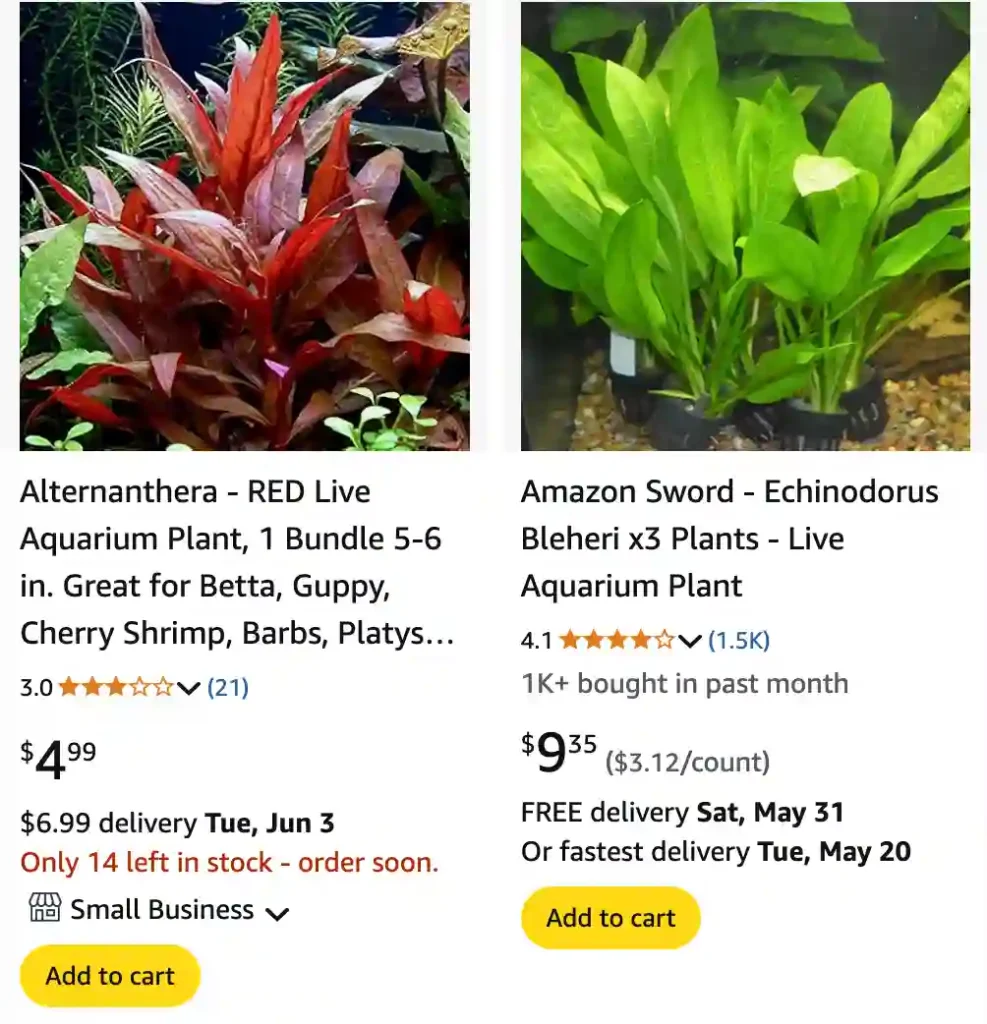
- Amazon Sword (Echinodorus amazonicus) – For larger tanks, this is a dramatic centerpiece. Bettas love to weave through its leaves.
- Floating Plants like Duckweed and Frogbit – They mimic a betta’s natural environment and offer shade, reducing stress.
These plants don’t just look great—they help stabilize the nitrogen cycle, oxygenate the water, and reduce algae.
Do Bettas Prefer Real or Fake Plants?
This was one of my earliest mistakes. I used silk and plastic plants for convenience. But real plants made a noticeable difference in behavior. My bettas became more active and less stressed.
Real plants improve water quality and mimic the natural biotope of bettas (shallow, slow-moving tropical waters). Fake plants, especially rough plastic ones, can tear bettas’ delicate fins. If you must use artificial options, go with soft silk and always test the texture by running pantyhose across the leaves—if it snags, don’t use it.
Can I Use Houseplants in My Betta Tank?
Absolutely—but with conditions. I’ve grown Pothos (Epipremnum aureum) and Peace Lily (Spathiphyllum) in the filter or partially submerged. Their roots thrive in water and help absorb toxins like ammonia and nitrates.
That said, never fully submerge their leaves. Most houseplants will rot underwater. Use a hang-on-back filter or create a hydroponic setup to keep the roots wet and the foliage dry.
How Do Live Plants Affect Betta Water Quality?
Live plants are like natural filters. They absorb waste byproducts, release oxygen during the day, and reduce the need for frequent water changes.
In tanks with Java Moss and Anacharis, I’ve seen ammonia spikes level out quicker. Plants also outcompete algae for nutrients, leading to cleaner tanks. However, plants decay over time. Trim dead leaves regularly or you’ll cause more harm than good.
Is Substrate Important for Betta Plants?
If you’re growing root feeders like Amazon Swords or Cryptocorynes, then yes—substrate matters. I prefer fluorite or aquarium soil. These nutrient-rich substrates help plants establish deep roots.
For epiphytes like Java Fern and Anubias, substrate is optional. I tie them to rocks or wood using fishing line. Bettas appreciate the natural decor, and it adds vertical dimension to the aquascape.
What Are the Easiest Plants for Beginners?
If you’re new like I once was, keep it simple. My recommendations:
- Java Moss – Practically unkillable. It forms lush carpets and walls.
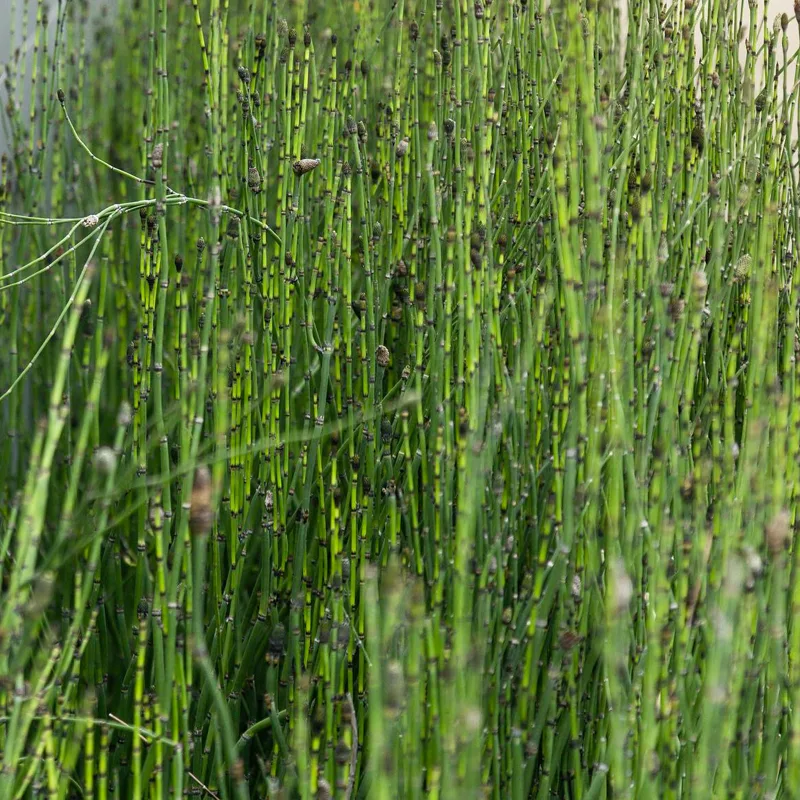
- Hornwort – Floats or roots, grows fast, and absorbs excess nutrients.
- Water Wisteria – Fast-growing and ideal for absorbing nitrates.
These plants don’t need CO₂, grow in low light, and are widely available at pet stores.
How Many Plants Should I Add?
I aim for a balanced look—about 60–70% planted coverage. That means open swimming space combined with dense, leafy areas for hiding.
Bettas are territorial, and densely planted tanks reduce aggression. More plants = more stable ecosystem. Just avoid overcrowding. A good rule is 1 plant per gallon, adjusted for plant size and growth rate.
Do Plants Need Special Lighting?
Not all aquarium lights are equal. I use full-spectrum LEDs with a timer set for 8 hours a day. This simulates a natural day/night cycle, which is vital for both plants and bettas.
Avoid direct sunlight—it causes algae blooms. Choose low- to medium-light plants unless you’re investing in high-output lighting systems.
What Are the Downsides of Using Live Plants?
There are a few. Algae is the biggest nuisance. You’ll get it no matter what, but over-fertilizing or over-lighting speeds it up. Snail infestations can hitchhike on new plants. I now quarantine all new additions and do a diluted bleach dip (1:20 ratio) to avoid unwanted guests.
Dead plant matter also decays and releases ammonia. I check for wilted leaves weekly.
Can Bettas Live in a Bowl with Just Plants?
I’ve tried it. It’s not ideal. While heavily planted bowls with rooted species like Cryptocorynes and floating cover can support short-term health, bettas still need filtered, heated tanks (around 78°F / 25.5°C). Plants help—but don’t replace proper tank maintenance.
Think of plants as enhancers, not life support.
Final Thoughts
Choosing the Best Plants for Bettas has changed the way I care for my fish. The right setup creates a living, breathing ecosystem. It’s not just about aesthetics—it’s about health, behavior, and water quality. Whether you’re just starting or fine-tuning your aquascape, adding the right plants can make all the difference.
Your betta deserves a slice of the jungle. Start simple, observe their behavior, and let nature guide your tank.

If i die, water my plants!