Caladiums, often celebrated as the “Angel Wings,” “Heart of Jesus,” or “Elephant Ear” plants, are renowned for their vibrant, often flamboyant foliage that brings a touch of the tropics to any space. Among the myriad of cultivars, Caladium bicolor ‘Aaron’ stands out with its striking white and green coloration, offering a luminous presence in shaded gardens and as an elegant indoor specimen. This comprehensive guide delves into the world of Caladium ‘Aaron’, from its botanical intricacies to the nuanced care required for its thriving beauty, culminating in a personal “time-lapse” chronicle of its growth.
The Botanical Marvel: Unveiling Caladium ‘Aaron’
Caladium bicolor ‘Aaron’ belongs to the Araceae family, a diverse group of plants that includes other popular ornamentals like Philodendrons and Alocasias. Native to the tropical rainforests of South America, particularly Brazil and the Amazon basin, Caladiums are tuberous perennials, meaning they grow from underground storage organs (tubers) and can live for multiple years, often re-emerging after a period of dormancy.
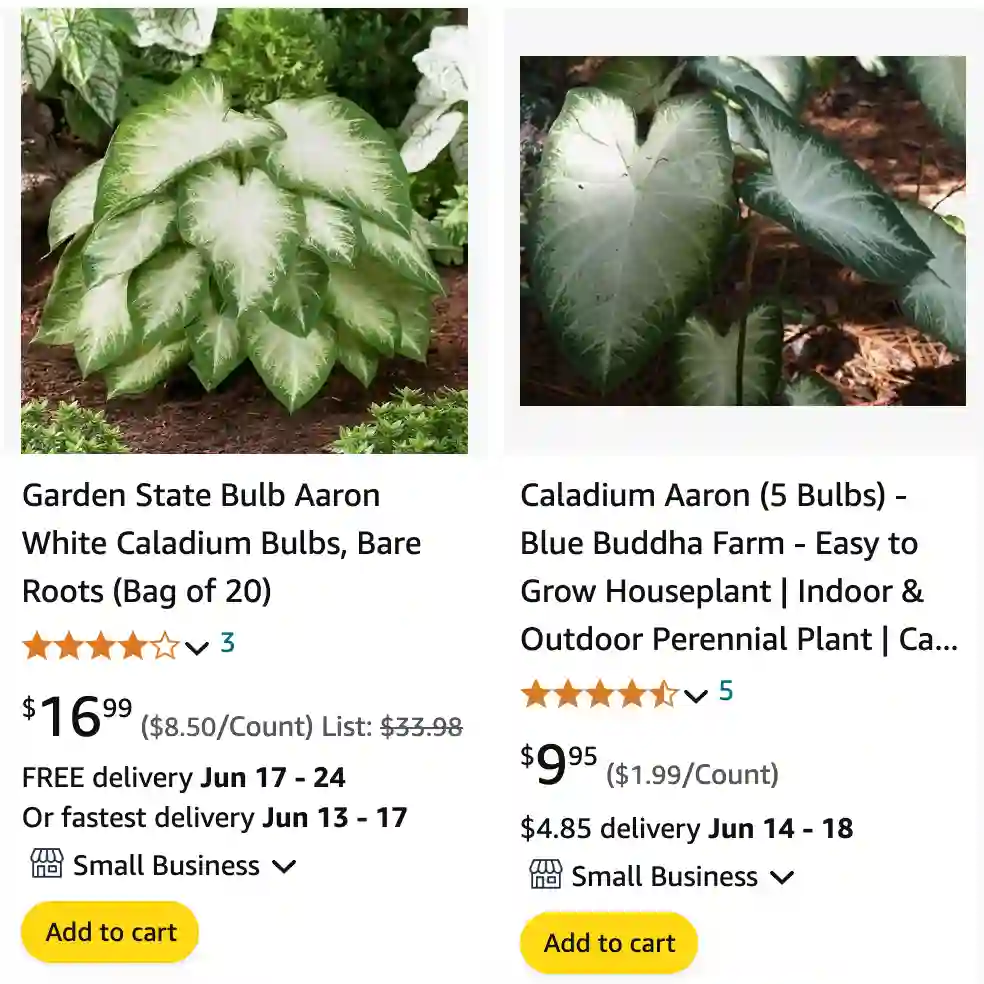
What sets ‘Aaron’ apart is its distinctive foliage. Its large, heart-shaped leaves, gracefully held aloft on slender petioles, feature a brilliant, almost pure white center that bleeds into starkly contrasting green margins and veins. This captivating pattern creates a visual effect that is both elegant and dramatic, making ‘Aaron’ a highly sought-after variety for adding brightness and texture to dimly lit areas. The leaves can grow quite large, contributing to the plant’s overall lush and full appearance, typically reaching 1 to 2 feet (30-60 cm) in height and spread.
Cultivating Brilliance: Comprehensive Care Guide for Caladium ‘Aaron’
To truly unlock the splendor of Caladium ‘Aaron’, understanding and replicating its preferred tropical conditions is paramount. While seemingly delicate, with consistent care, these plants are surprisingly rewarding.
Light: The Dance of Shade and Brightness
Caladium ‘Aaron’, like most caladiums, thrives in conditions that mimic its natural understory habitat: bright, indirect light to partial shade.
- Outdoors: Plant ‘Aaron’ in a location that receives filtered sunlight throughout the day, such as under the canopy of deciduous trees, or in an area that gets morning sun and afternoon shade. While ‘Aaron’ is noted for some sun tolerance, intense direct afternoon sun, especially in hot climates, can scorch its delicate leaves, leading to brown blotches or a bleached appearance. In deep shade, the white coloration may not develop as intensely, and the green might become more dominant.
- Indoors: Position your potted ‘Aaron’ near a north or east-facing window where it can receive ample indirect light. A sheer curtain can diffuse strong light from a south or west-facing window. Rotate the plant periodically to ensure even growth and color development.
Watering: The Elixir of Life
Consistent moisture is crucial for Caladium ‘Aaron’ during its active growing season.
- Frequency: Water thoroughly when the top 1-2 inches (2.5-5 cm) of soil feel dry to the touch. During peak summer, especially for container-grown plants, this might mean watering every day.
- Method: Ensure the pot has excellent drainage holes to prevent waterlogging, which can lead to tuber rot. Water until it drains from the bottom of the pot. Avoid letting the plant sit in standing water.
- Dormancy: As the plant approaches dormancy in autumn, gradually reduce watering. Once the leaves have died back, stop watering entirely until new growth emerges in spring.
Humidity: A Tropical Embrace
Hailing from humid rainforests, Caladium ‘Aaron’ demands high humidity, ideally 50% or higher, to truly flourish.
- Misting: Regularly misting the leaves with calcium-free water (like rainwater or distilled water) can provide temporary humidity.
- Pebble Trays: Place the pot on a saucer filled with pebbles and water, ensuring the bottom of the pot does not sit directly in the water. As the water evaporates, it increases humidity around the plant.
- Humidifier: For consistently dry indoor environments, a room humidifier is the most effective way to maintain optimal humidity levels.
- Placement: Keep your Caladium away from dry air sources like heating vents, air conditioners, or drafty windows, which can rapidly dehydrate the foliage.
Temperature: Warmth is Key
Caladium ‘Aaron’ is a warm-weather plant.
- Ideal Range: Maintain daytime temperatures between 70-75°F (21-24°C) and nighttime temperatures no lower than 60-65°F (16-18°C).
- Cold Sensitivity: Temperatures below 55°F (13°C) can cause significant stress, leading to stunted growth, leaf damage, or premature dormancy. Temperatures below 40°F (4°C) can be fatal to the tubers.
- Soil Temperature: For planting, ensure the soil temperature is consistently above 65°F (18°C). This is critical for tuber sprouting and healthy root development.
Soil: The Foundation of Growth
The right soil mix provides both moisture retention and excellent drainage.
- Composition: A humus-rich, well-draining potting mix is ideal. Many commercial potting mixes designed for green plants or a blend with added peat moss, perlite, or coco coir work well.
- pH: Caladiums prefer slightly acidic soil, with a pH range of 5.5 to 6.5. If your soil is too alkaline, you might need to amend it.
- Drainage: Regardless of the mix, ensure it drains freely to prevent waterlogging and tuber rot.
Nourishment: Feeding Your ‘Aaron’
While not heavy feeders, Caladium ‘Aaron’ benefits from regular fertilization during its active growth period.
- At Planting: Incorporate a balanced, slow-release granular fertilizer into the soil when planting tubers.
- During Growth: For potted plants, apply a balanced water-soluble fertilizer (e.g., 20-20-20 or 6-6-6) diluted to half strength, once a month from April to September.
- Caution: Avoid over-fertilization, as it can lead to excessive chlorophyll production, which may diminish the vibrancy of the white coloration. Do not fertilize during dormancy.
Potting and Repotting: Giving Room to Grow
- Pot Size: When planting tubers, use a pot that is at least 6 inches (15 cm) deep and wide enough to accommodate the tuber(s) comfortably. For a fuller plant, you can plant multiple tubers in a larger pot, spacing them a few inches apart.
- Repotting: Caladiums generally benefit from repotting every 2-3 years, ideally in spring before new growth begins. This allows you to refresh the soil and inspect the tubers.
Pruning for Perfection: Focusing on Foliage
Caladium ‘Aaron’ is grown for its stunning leaves, not its inconspicuous flowers.
- Flower Removal: If small, spathe-like flowers appear, pinch or cut them off at the base as soon as they emerge. This directs the plant’s energy towards producing more vibrant and larger foliage, rather than seed production.
- Dead Leaves: Remove any yellowing, browning, or damaged leaves promptly to maintain the plant’s aesthetic appeal and prevent potential disease spread.
The Annual Cycle: Navigating Dormancy and Re-emergence
Caladiums are seasonal plants, even in tropical regions, undergoing a natural dormant period. This rest allows the tubers to regenerate energy for the next growing season.
Understanding Dormancy
As daylight hours shorten and temperatures cool in late autumn or early winter, Caladium ‘Aaron’ will signal its entry into dormancy. The leaves will begin to yellow, wilt, and eventually die back. This is a natural process and not a sign of a dying plant.
Winter Care: Lifting and Storing Tubers
In USDA Hardiness Zones 8-11, where temperatures rarely drop below freezing, Caladium tubers can often be left in the ground. However, in colder climates (Zones 7 and below), or if you wish to ensure optimal performance year after year, it’s best to lift and store the tubers.
- Preparation: Once the foliage has completely died back, typically after the first light frost, carefully dig up the tubers. Avoid damaging them.
- Drying: Gently brush off excess soil. Do not wash the tubers. Spread them out in a warm, dry, well-ventilated area (e.g., a garage or shed) for 1-2 weeks to allow them to cure and dry thoroughly. This helps prevent rot during storage.
- Storage: Once dry, pack the tubers in a breathable material like dry peat moss, vermiculite, perlite, or even sawdust. Place them in a paper bag, mesh bag, or a cardboard box.
- Environment: Store the tubers in a cool, dry, dark place with good air circulation. The ideal storage temperature is around 65-70°F (18-21°C). Temperatures below 60°F (16°C) can cause cold injury, leading to stunted or erratic growth the following season. Avoid extreme fluctuations.
- Monitoring: Periodically check the tubers for any signs of rot or shriveling. Discard any affected tubers to prevent spread.
Replanting for a New Season
In early spring, typically 4-6 weeks before the last expected frost or when soil temperatures consistently reach 65°F (18°C), it’s time to awaken your ‘Aaron’ tubers.
- Inspection: Inspect the stored tubers. Healthy tubers should be firm.
- Pre-sprouting (Optional): For an earlier start, you can pre-sprout tubers indoors. Plant them shallowly (about 1-1.5 inches deep) in moist potting mix, keeping the “eyes” (growth points) facing upwards. Maintain warm temperatures and moderate moisture.
- Planting: Plant tubers 2-3 inches (5-7.5 cm) deep in prepared soil or pots, ensuring the “eyes” are facing upwards. Water lightly until sprouts appear, then increase watering.
Expanding Your Collection: Propagating Caladium ‘Aaron’
The most common and effective method for propagating Caladium ‘Aaron’ is by dividing its tubers. This is best done in spring, just before the new growing season begins.
- Gather Tools: You’ll need a sharp, sterile knife or pruners, disinfectant (rubbing alcohol), and fresh potting mix.
- Expose Tubers: Gently remove the plant from its pot or dig up the tuber from the garden bed. Carefully brush off excess soil to expose the tuber and its “eyes.”
- Identify Divisions: Look for natural divisions or distinct “eyes” on the tuber. Each section you cut should have at least one visible “eye” to ensure new growth.
- Cut: Using your sterile knife, carefully cut the tuber into desired sections.
- Cure: Allow the cut sections to air dry for 2-3 days in a warm, well-ventilated area. This helps the cut surfaces form a callus, preventing rot when planted.
- Plant: Plant the callused tuber sections in fresh potting mix, ensuring the “eye” faces upwards. Water sparingly until sprouts appear, then resume regular watering.
Battling Adversity: Pests, Diseases, and Common Issues
Caladium ‘Aaron’ is generally robust, but like all plants, it can encounter some challenges.
Common Pests
- Slugs and Snails: Primarily an outdoor problem, these mollusks can chew holes in the leaves. Use organic baits, hand-picking, or physical barriers.
- Aphids: Small, soft-bodied insects that cluster on new growth and undersides of leaves, sucking sap. Treat with insecticidal soap or neem oil.
- Spider Mites: Tiny arachnids that cause stippling on leaves and fine webbing. Thrive in dry conditions. Increase humidity and use insecticidal soap.
Fungal Diseases
- Tuber Rot (Fusarium, Pythium): The most common and serious issue, often caused by overwatering, poor drainage, or cool soil temperatures. Symptoms include mushy tubers, stunted growth, and wilting. Prevention is key: ensure good drainage, proper watering, and warm soil. Fungicides can be used preventatively.
- Bacterial Leaf Spot (Xanthomonas): Appears as small, water-soaked spots that enlarge and turn brown. Caused by high humidity combined with poor air circulation and wet foliage. Prevent by ensuring good air circulation and avoiding overhead watering.
Physiological Issues
- Stunted Growth: Can be caused by cold injury during storage, planting tubers too early in cool soil, or insufficient warmth during the growing season.
- Sunburn: Brown blotches or bleached areas on leaves indicate too much direct sun. Move to a shadier spot.
- Greening of White Cultivars: If ‘Aaron’ loses some of its white vibrancy and becomes greener, it might be receiving too little light (in deep shade) or too much nitrogen fertilizer. Adjust accordingly.
- Pink Areas in White Cultivars: Sometimes, white varieties like ‘Aaron’ can develop pink stress-related symptoms, especially during high temperatures (above 100°F/38°C). Cooling the environment can help new leaves develop true color.
‘Aaron’ in the Spotlight: Design and Display Ideas
The striking white and green of Caladium ‘Aaron’ makes it incredibly versatile in design.
- Indoor Houseplant: Its compact size and vibrant foliage make it an excellent choice for brightening indoor spaces. Place it on tabletops, shelves, or as a focal point in a well-lit room.
- Outdoor Beds and Containers: ‘Aaron’ excels in shaded garden beds, creating luminous accents. It’s also perfect for containers on shaded patios, porches, or balconies, allowing for easy relocation during dormancy.
- Companion Planting: Pair ‘Aaron’ with other shade-loving plants that offer contrasting textures or colors, such as ferns, hostas, impatiens, or coleus. For outdoor pest control, companion plants like dill, fennel, or angelica can attract beneficial insects.
A Word of Caution: Toxicity of Caladium ‘Aaron’
It is crucial to be aware that all parts of the Caladium plant, including ‘Aaron’, are toxic if ingested. They contain insoluble calcium oxalate crystals, which can cause severe irritation.
- Symptoms: If chewed or swallowed, symptoms can include immediate intense burning sensation, excessive salivation, swelling of the lips, mouth, tongue, and throat, difficulty breathing or swallowing, and severe gastric irritation (nausea, vomiting, diarrhea, abdominal pain).
- Skin Contact: The sap can also cause dermatitis, intense itching, and burning upon skin contact.
- Pets: Caladiums are toxic to dogs, cats, and horses. Ingestion can lead to similar oral irritation, pawing at the face, vomiting, and in severe cases, airway swelling that can be life-threatening.
- Precautions: Always wear gloves when handling or pruning Caladiums. Keep plants out of reach of children and pets. If ingestion occurs, seek immediate medical attention for humans or veterinary care for animals.
Caladium ‘Aaron’ in Comparison: Distinguishing Features
While many white-centered caladiums exist, ‘Aaron’ has its unique characteristics and lineage.
- Caladium ‘Aaron’ vs. ‘White Christmas’: Both are popular white-leaved caladiums, but they have subtle differences. ‘Aaron’ is characterized by its broad, heart-shaped leaves with a prominent white center and distinct green margins and veins. ‘White Christmas’ also features a white background, but its green veins are often darker and more prominent, and the green coloration is not strictly confined to the margins but can extend into the white areas, sometimes with subtle pinkish hues. ‘White Christmas’ tends to be a slightly bushier plant.
- Caladium ‘Aaron’ vs. ‘Florida Moonlight’: This comparison is particularly interesting because ‘Florida Moonlight’ actually has a direct genetic link to ‘Aaron’. ‘Florida Moonlight’ originated from a cross-pollination where ‘Aaron’ served as the female (seed) parent. ‘Florida Moonlight’ is known for its almost solid white interveinal leaf surfaces with very narrow green margins and white primary veins, creating a more uniformly white appearance compared to ‘Aaron’s more defined white heart on a green background. ‘Aaron’ thus represents a foundational cultivar that has contributed to the development of other stunning white caladium varieties.
My Caladium ‘Aaron’ Time-Lapse: A Gardener’s Chronicle (12-Month Journey)
As a passionate gardener, there’s a unique joy in watching a plant transform from a humble tuber into a magnificent specimen. My journey with Caladium ‘Aaron’ has been a testament to patience, observation, and the sheer magic of nature. Here’s a chronicle of its first year, marking the milestones of its vibrant life.
Month 1: The Awakening (March) The journey began in early March. The air was still crisp, but the promise of spring was in the warming soil. I carefully selected a firm, healthy ‘Aaron’ tuber, about the size of a golf ball, with a few visible “eyes” – the nascent growth points. I chose a well-draining pot, about 8 inches in diameter, and filled it with a rich, peat-based potting mix, slightly acidic. I planted the tuber about 2 inches deep, ensuring the “eyes” faced upwards. A light initial watering, just enough to settle the soil, and then the waiting game began. The pot sat indoors, in a bright spot near an east-facing window, where temperatures consistently stayed above 70°F (21∘C). The first few weeks were uneventful, a quiet anticipation.
Month 2: The First Glimmer (April) Just as I was starting to wonder if I’d done something wrong, a tiny, pale green shoot poked through the soil! It was a thrilling moment. Within days, more shoots followed, pushing upwards with surprising vigor. I increased watering slightly, ensuring the soil remained consistently moist but never soggy. The humidity tray beneath the pot, filled with pebbles and water, was doing its job, creating a miniature tropical microclimate around the emerging sprouts. The leaves, initially tightly furled, began to unfurl, revealing hints of their future white and green splendor.
Month 3: Rapid Expansion (May) By May, ‘Aaron’ was no longer a shy sprout. The first true leaves, still delicate, were expanding rapidly, showcasing the characteristic white center with emerald green margins. Each new leaf seemed to emerge larger and more vibrant than the last. I started a monthly feeding regimen with a diluted liquid fertilizer, providing the necessary nutrients for this explosive growth. I also began rotating the pot regularly to ensure the plant grew symmetrically, preventing it from leaning towards the light source. The plant was now about 6-8 inches (15-20 cm) tall, a miniature forest of heart-shaped leaves.
Month 4: Lush Canopy (June) June brought a cascade of new foliage. The plant filled out the pot beautifully, forming a dense, lush canopy of white and green. The leaves were now reaching their mature size, some easily 8-10 inches (20-25 cm) long. The contrast between the brilliant white and deep green was truly captivating, especially in the filtered morning light. I noticed a small, greenish-white spathe attempting to emerge – the caladium’s flower. Following best practice, I gently pinched it off, redirecting the plant’s energy back into its magnificent leaves. Humidity remained a priority, with daily misting and a constantly replenished pebble tray.
Month 5-6: Peak Performance (July – August) Through the peak of summer, July and August, ‘Aaron’ was a showstopper. It reached its full height of nearly 18 inches (45 cm) and spread, a vibrant focal point in my indoor plant collection. The leaves were at their most intense, the white almost glowing against the deep green. Watering was almost a daily affair, given the summer heat and the plant’s high moisture demands. I kept a close eye for any signs of stress – yellowing leaves (too much water or too little light), or brown crispy edges (too little humidity or too much direct sun). It remained remarkably pest-free, a testament to consistent care and good air circulation.
Month 7-8: Subtle Shifts (September – October) As September arrived, the days began to subtly shorten, and a slight shift in ‘Aaron’s behavior became noticeable. The rate of new leaf production slowed, and some of the older, lower leaves started to show a faint yellowing. This was the first sign of its natural transition towards dormancy. I gradually reduced the frequency of watering, allowing the top layer of soil to dry out more thoroughly between waterings. The monthly feeding was also discontinued.
Month 9-10: The Great Retreat (November – December) By November, the yellowing intensified, and leaves began to wilt and die back, one by one. It can be a little disheartening to watch such a vibrant plant decline, but I knew this was a vital part of its life cycle. By early December, most of the foliage had withered away, leaving only the bare soil. I stopped watering entirely. I carefully dug up the tuber, gently brushed off the soil, and allowed it to air dry for about a week. Then, I nestled it in a paper bag filled with dry peat moss and stored it in a cool, dark closet, maintaining a consistent temperature around 68°F (20∘C).
Month 11-12: Winter Slumber (January – February) January and February were the months of ‘Aaron’s deep slumber. The tuber rested, gathering energy for its next grand display. I checked on it occasionally, ensuring the peat moss remained dry and there were no signs of rot. This period of dormancy, lasting at least 10 weeks, is crucial for the tuber’s rejuvenation and ensures a robust re-emergence in the spring.
The Cycle Continues (March of Year 2) As March rolled around again, I retrieved the tuber. It was firm and ready. I replanted it in fresh potting mix, eagerly anticipating the first green shoots that would signal the beginning of another magnificent time-lapse journey with my beloved Caladium ‘Aaron’. Each year, it promises to be a renewed spectacle of tropical elegance, a testament to the enduring beauty of nature’s design.
Conclusion
Caladium ‘Aaron’ is more than just a plant; it’s a living piece of art, a vibrant testament to the beauty of tropical foliage. Its luminous white and green leaves bring unparalleled brightness and sophistication to any setting, whether nestled in a shaded garden bed or gracing an indoor living space. While its care requires attention to light, water, humidity, and temperature, the reward is a dynamic display of color and form that evolves through its annual growth cycle. By understanding its needs and embracing its natural rhythm, gardeners can enjoy the captivating charm of Caladium ‘Aaron’ for many seasons to come, witnessing its remarkable journey from a dormant tuber to a tropical masterpiece, year after year.

If i die, water my plants!