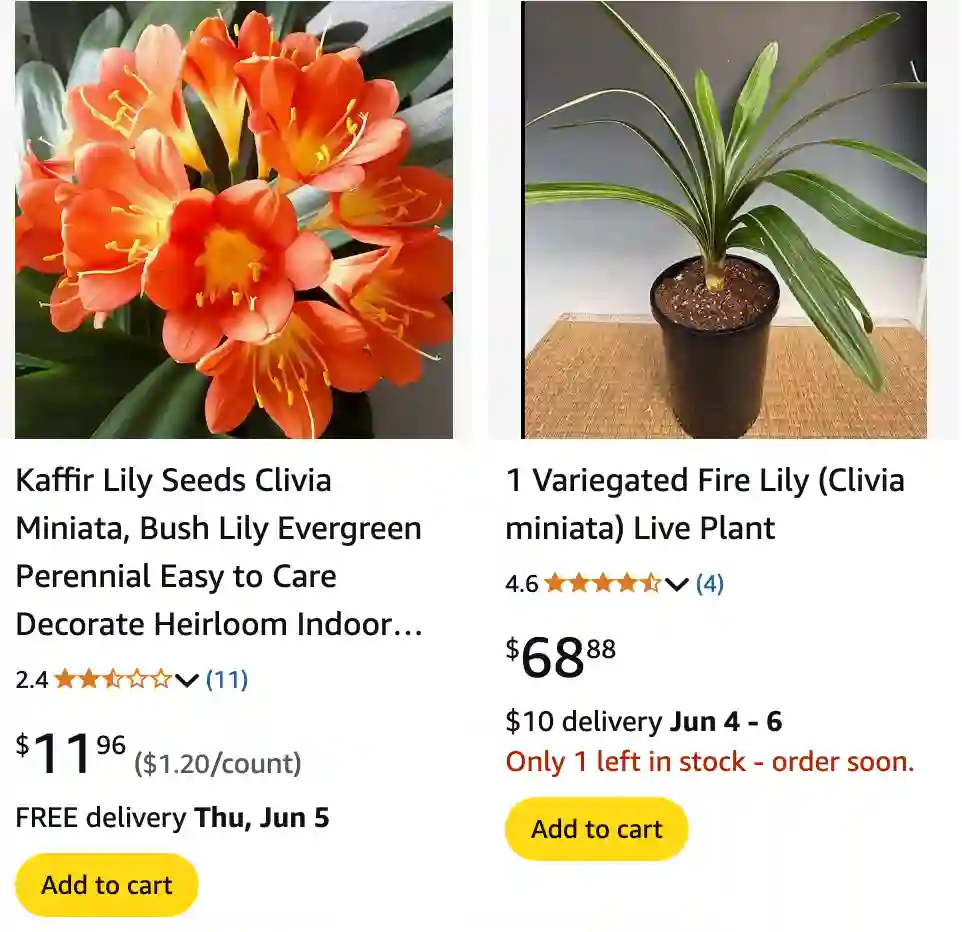
Clivia Miniata has been one of my favorite ornamental plants for years. With its rich green, strap-like leaves and stunning orange or yellow blooms, it adds tropical elegance to both indoor and shaded outdoor spaces. If you’ve stumbled upon this plant and are now full of questions, you’re not alone. Let me walk you through the most frequently asked questions about Clivia Miniata based on my firsthand experiences and real-world gardening practice.
How to Care for Clivia Miniata?
Learning how to care for Clivia Miniata is all about understanding its natural rhythm. This South African native thrives in bright, indirect light and prefers cooler temperatures during winter. I keep mine in a shaded patio corner during warmer months and move it indoors as temperatures dip below 50°F. Watering is simple—let the soil dry between waterings. Overwatering leads to root rot fast.
I use a well-draining mix—something like a cactus soil blend with added organic matter. Fertilize it monthly during its active growing season (spring through summer) with a balanced, water-soluble fertilizer. When it stops blooming and enters dormancy in fall, I withhold fertilizer and reduce watering to encourage a healthy blooming cycle next year.
How to Grow Clivia Miniata?
If you’re curious about how to grow Clivia Miniata, patience is key. This isn’t a fast-growing plant. Whether starting from a mature plant or a seedling, give it space, time, and consistency. I’ve noticed Clivias flourish best when they’re slightly root-bound—repotting them too often delays flowering.
Plant it in a deep pot to accommodate its thick roots and keep it in a spot with stable light conditions. Consistency is your friend here.
How to Grow Clivia Miniata from Seed?
Now, how to grow Clivia Miniata from seed is a long journey, but deeply rewarding. After flowering, Clivia produces berries that take up to a year to ripen. Once the berries turn soft and red, I remove the seeds and rinse them well. They germinate best when placed on moist sphagnum moss or a sterile seed-starting mix, kept warm (around 70°F), and out of direct sunlight.
It can take anywhere from one to six months to see sprouts. Once seedlings form a few leaves, I pot them individually. Keep in mind, they won’t flower for at least 3–5 years. Patience is critical.
How to Propagate Clivia Miniata?
Understanding how to propagate Clivia Miniata can save you money and multiply your collection. The simplest way is through division. After flowering season and once the plant has produced offsets (baby plants at its base), I gently separate them from the parent plant using a sterile knife.
Each division should have at least a few leaves and roots. I let the cut ends dry for a day before potting them in fresh soil. Then, I water lightly and place them in bright, indirect light. Don’t expect them to flower immediately—it can take a couple of years.
How to Take Care of Clivia Miniata During Winter?
One question I get often is how to take care of Clivia Miniata during colder months. The plant enters dormancy and needs less water, less light, and no fertilizer. I store mine in a cool room (around 50°F), water just once a month, and make sure it’s not exposed to frost. This rest period is essential for strong flowering in spring.
Is Clivia Miniata Poisonous to Cats?
Yes, Clivia Miniata is poisonous to cats. The plant contains alkaloids like lycorine, which can cause vomiting, drooling, and diarrhea if ingested. I keep my Clivias on high shelves or outdoors where my cat can’t reach them. If you’re a pet owner, definitely consider this before bringing a Clivia indoors.
Where to Buy Clivia Miniata?
Wondering where to buy Clivia Miniata? I’ve had success sourcing plants from reputable online nurseries, botanical garden sales, and specialty growers. Etsy, eBay, and local plant swaps are good places for rarer cultivars. Look for sellers that specify whether the plant is seed-grown or offset-grown—it makes a difference in maturity and bloom potential.
How Often Does Clivia Miniata Bloom?
Clivia Miniata typically blooms once a year, in late winter to early spring. However, under ideal conditions—cool rest periods, root restriction, and proper feeding—it can bloom more than once. I’ve had some plants push a second bloom in late summer, though that’s rare.
Wrap-Up
Clivia Miniata may require patience, but it rewards you with unmatched beauty and longevity. Whether you’re learning how to grow Clivia Miniata from seed, navigating how to propagate Clivia Miniata, or just curious how to take care of Clivia Miniata long-term, I hope this guide gives you clarity. For me, Clivia Miniata isn’t just a plant—it’s a relationship built on seasonal care, attention, and awe.
Keep it in a peaceful corner, protect it from overwatering and curious pets, and enjoy the vivid bloom when it comes. There’s nothing quite like seeing that orange fan of flowers erupt from glossy foliage after months of dormancy.

If i die, water my plants!