I’ve grown Delphinium Elatum in my garden for several seasons. These tall, stately perennials have never failed to impress me—or my neighbors. Known for their vivid flower spikes and dramatic vertical presence, Delphiniums add elegance and structure to any cottage garden. If you’ve been curious about growing or caring for Delphinium Elatum, you’re not alone. Here are some of the most common questions I get.
What Is Delphinium Elatum?
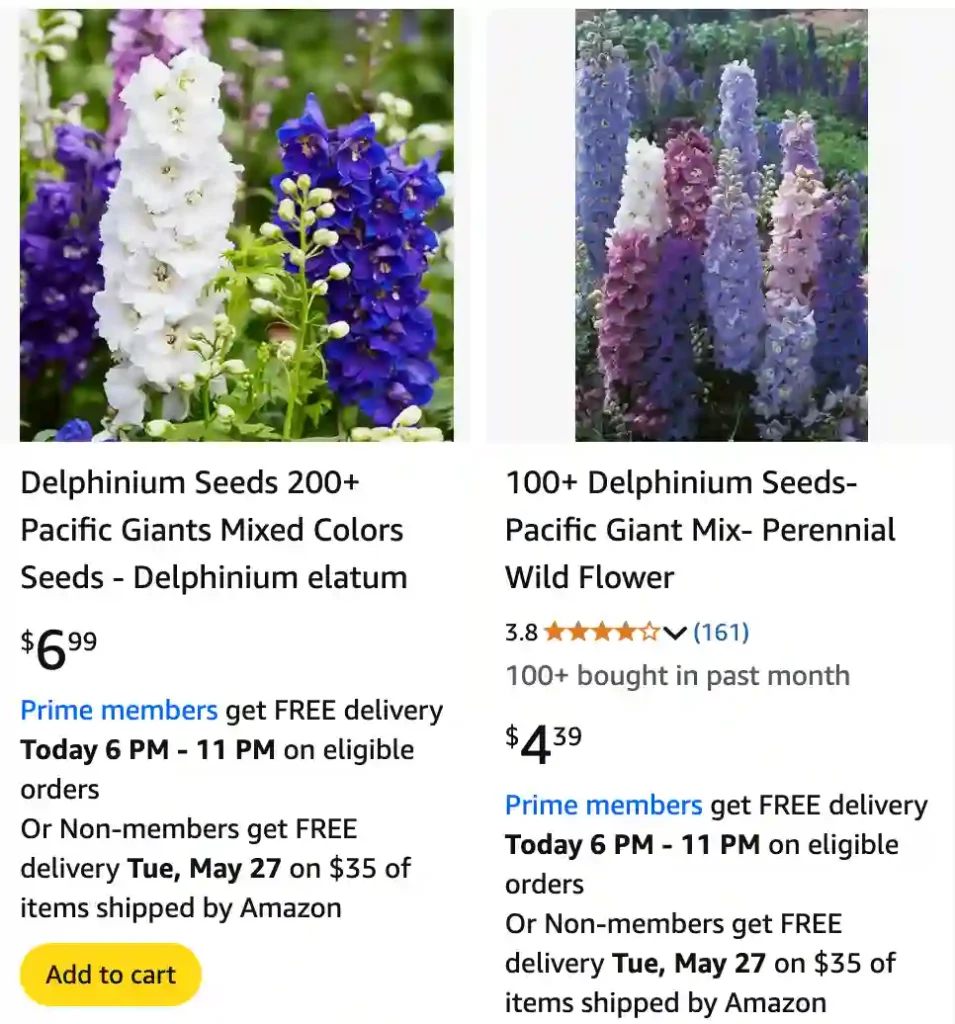
Delphinium Elatum, also called Bee Delphinium or Tall Delphinium, is a flowering plant in the Ranunculaceae family. It’s native to Europe and temperate Asia. It grows tall—often over 6 feet—and displays flower spikes in rich blues, purples, pinks, and whites. These plants are prized for their architectural form and ability to draw pollinators like bees and butterflies.
I plant them in my perennial borders for height and color contrast. Their botanical name includes “Elatum,” meaning “tall” in Latin—accurate, considering how they tower above most other plants in my garden.
Is Delphinium Elatum Hard to Grow?
Honestly, it can be a bit fussy, but the payoff is worth it. Delphinium Elatum needs:
- Full sun (though it appreciates some afternoon shade in hot climates)
- Rich, well-draining soil
- Regular watering, especially during bloom
- Staking or support, because of its height and hollow stems
In my experience, the biggest challenge is keeping it upright during strong winds or heavy rains. I use garden stakes or cages to support them early in the season.
What’s the Best Time to Plant Delphinium Elatum?
I always plant Delphinium Elatum in early spring or fall. Spring gives it a whole season to establish. Fall planting works if you’re in a mild zone and want earlier blooms the next year.
I’ve tried both, and I noticed the spring-planted ones tend to develop deeper roots by winter, making them a little hardier in my USDA Zone 6 garden.
How Does It Compare to Larkspur?
This is a common question. People often confuse Delphinium Elatum with Annual Larkspur (Consolida ajacis). Both have tall spikes and come in similar shades, but here’s the real difference I’ve observed:
- Delphinium Elatum is perennial, returning each year with proper care.
- Larkspur is annual, completing its life cycle in one season.
- Delphiniums have more complex, fuller flowers.
- Larkspur is easier to grow and reseeds itself readily.
In my garden, I mix both. Larkspur gives a quick early show, while Delphinium Elatum provides the long-term structure and grandeur.
Do I Need to Deadhead or Cut Back?
Yes, definitely. I always deadhead the spent blooms to encourage a second flush. In late summer, I cut the flower stalks down to the base after they fade.
Come fall, I trim the foliage back to about 3 inches from the soil. This helps reduce disease and prepares the plant for dormancy.
Are They Toxic?
Yes—all parts of the Delphinium Elatum are toxic if ingested. I always keep them out of reach from pets and children. When I handle them, especially while pruning, I wear gloves. The plant contains alkaloids that can affect the nervous system.
What Pests or Diseases Should I Watch For?
From my experience, these are the biggest threats:
- Slugs and snails, especially in spring
- Powdery mildew, if air circulation is poor
- Crown rot, in soggy soil
- Aphids, especially on new growth
I mitigate these with mulch, organic slug traps, and ensuring spacing for airflow. I also rotate where I plant them every few years to avoid soil-borne pathogens.
Can Delphinium Elatum Be Grown in Pots?
Yes, but it’s tricky. I’ve grown dwarf varieties like ‘Magic Fountains’ in containers, and they do fine. However, the taller hybrids need deep pots and lots of feeding.
Make sure to use a heavy container—wind can easily knock them over. Also, feed them every two weeks with a balanced liquid fertilizer during the growing season.
What Are the Best Companion Plants?
I love pairing Delphinium Elatum with:
- Roses: They both enjoy similar conditions.
- Peonies: Their bushy form balances Delphinium’s vertical spikes.
- Foxglove and Campanula: For a layered cottage look.
- Salvia or Catmint (Nepeta): Their blue hues echo Delphinium’s palette.
These combinations offer a blend of textures and colors, creating dynamic visual interest.
Is Delphinium Elatum Deer-Resistant?
Yes—and I’m grateful for it. I live in an area with plenty of deer, and they ignore my Delphiniums. That said, rabbits may nibble young shoots, so I protect them with wire mesh early on.
Final Thoughts: Is It Worth the Effort?
Absolutely. Delphinium Elatum is one of the most breathtaking perennials in my garden. Sure, it’s not the easiest plant, but once you understand its needs, it rewards you with towering spires of color that few plants can match.

If i die, water my plants!