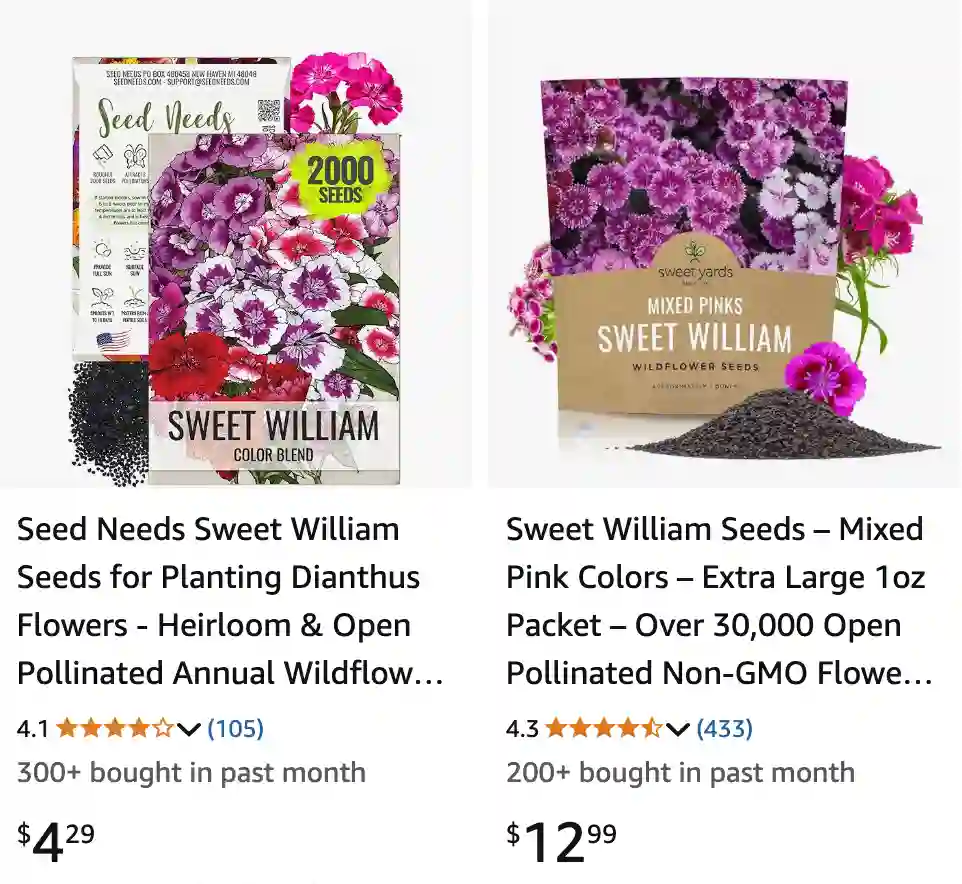
When I first started gardening, Dianthus Barbatus—commonly known as Sweet William—caught my eye. Its colorful clusters of flowers and charming fragrance made it a standout in my garden. Over time, I’ve learned a lot about this plant, and I want to share some of the frequently asked questions I get about it, especially about how to grow Dianthus Barbatus, its growth habits, maintenance tips, and safety around pets.
How to Grow Dianthus Barbatus?
One of the most common questions I hear is, how to grow Dianthus Barbatus successfully. From my experience, Dianthus Barbatus thrives best in well-drained soil with a neutral to slightly alkaline pH. It’s not very picky about soil but hates soggy conditions. I always plant it in full sun to get the best blooms—about six hours or more a day.
When I start from seeds, I usually sow them indoors about six to eight weeks before the last frost. Alternatively, you can sow them directly in the garden after the risk of frost has passed. The seeds germinate in about 10-14 days if kept moist but not wet. After germination, thinning is important; I space the seedlings about 6 to 12 inches apart. This spacing helps air circulation and prevents fungal problems.
Once established, Dianthus Barbatus is fairly drought-tolerant, but I make sure to water it during dry spells. I also feed mine with a balanced, slow-release fertilizer in early spring to promote healthy growth and vibrant flowers.
Is Dianthus Barbatus a Perennial?
Another frequent query is, is Dianthus Barbatus a perennial? The answer can be a bit nuanced. Technically, Dianthus Barbatus is a biennial, meaning it generally lives for two years. The first year is spent growing foliage, and the second year is when it blooms and sets seed.
However, in some climates, especially milder ones, it can behave like a short-lived perennial and come back for several years. I’ve noticed in my garden that with the right care, it sometimes self-seeds and returns, giving the impression of a perennial. If you want continuous blooms, allowing the plant to self-seed is a great option.
Does Dianthus Barbatus Spread?
Gardeners often ask, does Dianthus Barbatus spread aggressively? From what I’ve observed, Dianthus Barbatus doesn’t spread via underground runners like some groundcovers. Instead, it spreads primarily through self-seeding.
If you leave the spent flower heads on the plant, they will drop seeds around the area, and you’ll likely see new plants sprouting the following season. This natural reseeding can be a blessing or a challenge, depending on how controlled you want your garden. If you prefer tidy borders, you’ll want to deadhead regularly.
How to Deadhead Dianthus Barbatus
Speaking of deadheading, knowing how to deadhead Dianthus Barbatus properly is key to prolonging the bloom period. I usually remove the spent flower clusters by cutting the stems back to the nearest set of healthy leaves. This stops the plant from putting energy into seed production and encourages it to produce more flowers.
Deadheading also helps maintain the plant’s neat appearance and reduces unwanted self-seeding if that’s a concern. I find it’s best to deadhead every couple of weeks during the flowering season for the best results.
Is Dianthus Barbatus Poisonous to Cats?
Pet owners frequently worry, so here’s an important question: is Dianthus Barbatus poisonous to cats? Thankfully, Dianthus Barbatus is considered non-toxic to cats, dogs, and humans. I’ve had pets in my garden, and they seem indifferent to it, which is a relief for any pet lover who wants to enjoy this plant safely.
Still, it’s always a good idea to discourage pets from chewing on any plants to avoid stomach upset.
Additional Tips and Observations
Beyond the basics, I’ve noticed that Dianthus Barbatus prefers cooler weather for optimal blooming. In very hot and humid climates, it can struggle and become more susceptible to fungal diseases like powdery mildew and rust. Good air circulation and avoiding overhead watering help prevent these issues.
Also, this plant attracts pollinators like butterflies and bees, which makes it a valuable addition to any garden focused on supporting biodiversity.
Conclusion
In my experience, growing Dianthus Barbatus is rewarding and relatively easy if you know the basics: plant in full sun, provide well-drained soil, and keep up with deadheading to extend blooms. While it’s technically a biennial, it can behave like a perennial in some areas, thanks to its tendency to self-seed. It doesn’t spread aggressively, and it’s safe around pets, which makes it a perfect choice for many gardeners.

If i die, water my plants!