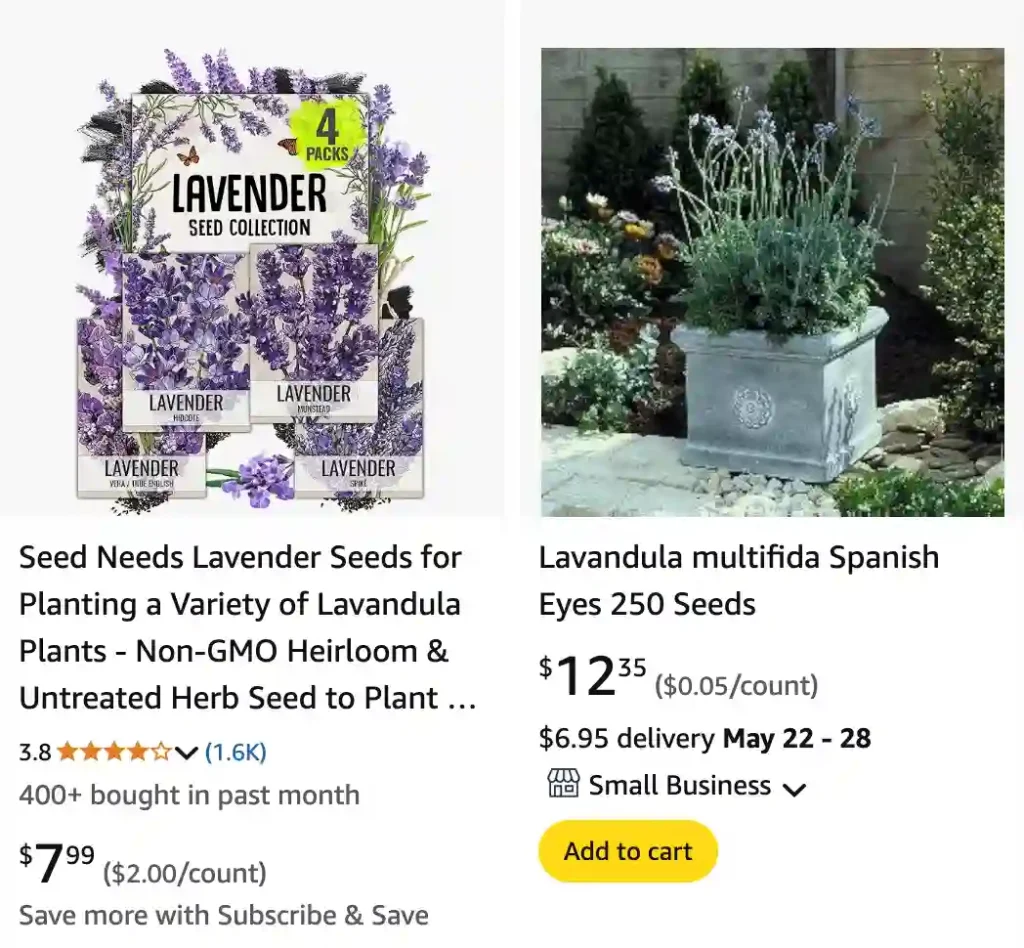
When I first encountered the Fern Leaf Lavender Plant – Lavandula Multifida, I was immediately drawn to its finely cut, silvery foliage and delicate violet-blue blooms. As someone who has grown several lavender varieties, I found Lavandula Multifida to be one of the most unique and rewarding additions to my garden. Over time, I’ve answered dozens of questions about it. So today, I’m putting together a straightforward, practical FAQ about this plant that I personally cherish.
49 Species in Genus Lavandula – Lavender
What Is Fern Leaf Lavender?
Fern Leaf Lavender, or Lavandula Multifida, is a Mediterranean native known for its finely divided, almost feathery leaves—hence the name. Unlike English lavender, which has a more compact and tidy growth habit, fern leaf lavender grows in a more sprawling, wild way. It blooms prolifically, especially in warmer climates, with long-lasting flower spikes that attract pollinators like bees and butterflies.
Fern Leaf Lavender Care
Caring for this plant isn’t difficult, but it does require specific conditions to thrive. In my experience, fern leaf lavender care hinges on three main things: sunlight, soil, and air circulation.
- Sunlight: Full sun is non-negotiable. Give it at least 6–8 hours a day.
- Soil: It must be well-draining. Sandy or rocky soils are ideal. If you’ve got clay soil, amend it with gravel or sand.
- Watering: Water it deeply but infrequently. Overwatering will lead to root rot fast.
- Air Circulation: Keep it spaced out from other plants. This prevents mildew and keeps the foliage dry.
I usually mulch with gravel around the base. This keeps moisture away from the crown and reflects heat upward, which this Mediterranean beauty appreciates.
Fern Leaf Lavender Hardiness
Now, this is where things get interesting. Fern leaf lavender hardiness zones fall between USDA zones 8 to 11. It is not frost-tolerant, which separates it from the more cold-hardy English or Hidcote lavenders.
Living in a region with mild winters, I keep mine in-ground year-round. However, if you’re in a colder zone, grow it in a pot and bring it indoors when frost threatens. It also does quite well under grow lights in a sunny indoor space.
How to Prune Fern Leaf Lavender
People often ask me, how to prune fern leaf lavender—and rightly so. Regular pruning keeps it compact and encourages fresh growth. Here’s what works for me:
- In early spring, I cut back the woody stems by about one-third.
- I deadhead spent blooms throughout the flowering season to encourage more.
- In late summer, I do a light shaping trim to maintain form.
Avoid pruning into old wood with no green growth. It rarely comes back from that. Keep it green, and you’ll keep it growing.
How to Trim Fern Leaf Lavender
How to trim fern leaf lavender differs slightly from pruning. Trimming is lighter—done more often to maintain shape and aesthetics. I usually snip off stray stems or overgrown branches every few weeks during the growing season. Sharp, clean shears are a must. Never use dull tools. They damage the plant and invite disease.
Fern Leaf Lavender Uses
Let’s talk about fern leaf lavender uses. It’s more than just a pretty face.
- Aromatic: Rub the foliage, and you’ll release a pungent, camphor-like aroma. I love brushing past it in the garden.
- Pollinator Magnet: Bees adore it. If you care about biodiversity, this plant pulls its weight.
- Decorative: Its sculptural foliage works well in modern landscapes, rock gardens, and Mediterranean-themed patios.
- Companion Planting: I use it as a natural pest deterrent near vegetables. Its scent helps repel aphids and whiteflies.
While it’s not the typical culinary lavender, I’ve dried the flowers for potpourri and herbal sachets with good results.
Is Fern Leaf Lavender Edible?
One of the most frequent questions I get is: Is fern leaf lavender edible? Technically, yes—but with caution. It’s not commonly used in culinary applications like Lavandula Angustifolia. Its high camphor content gives it a medicinal, almost eucalyptus-like flavor that’s too overpowering for most dishes. I wouldn’t sprinkle it on cookies or mix it into tea. That said, it’s safe for topical herbal use and occasional flavoring when used sparingly.
Final Thoughts
Growing Lavandula Multifida has taught me a lot about adaptation, especially when comparing it to traditional lavender varieties. It’s less cold-tolerant but far more forgiving of heat, drought, and humidity. Its delicate foliage and bold aroma make it a standout in both xeriscapes and herb gardens. With a bit of care—proper pruning, spacing, and protection from frost—it will reward you with a season-long performance of beauty and fragrance.

If i die, water my plants!