I’ve been fascinated by Ficus Carica, commonly known as the common fig, for years. It’s a plant that promises delicious fruit, beautiful foliage, and an easygoing personality in the garden. Yet, many people, including myself when I first started, ask tons of questions about it. I want to share what I’ve learned about this fascinating tree and answer some of the most frequent questions I get. Hopefully, my experience will help you grow your own Ficus Carica successfully.
What Is Ficus Carica?
Simply put, Ficus Carica is the common fig tree. It’s a species of flowering plant in the mulberry family (Moraceae). Native to the Mediterranean and western Asia, this deciduous tree produces the sweet, succulent figs we all know and love. What’s interesting is that it’s not just about fruit; the leaves have a unique shape and texture, which adds an ornamental appeal to any garden or patio.
I love how adaptable Ficus Carica is — it can grow as a small tree or large shrub, depending on how you prune it. Its large lobed leaves have a rough texture, almost like a palm, and the figs themselves come in various colors — green, purple, brown — depending on the variety. It’s a plant that connects history, culture, and nature in one beautiful package.
How to Grow Ficus Carica?
When I first started asking myself how to grow Ficus Carica, I quickly realized it’s not as complicated as many think. Here’s what worked for me:
- Location: Ficus Carica loves sunlight. I always plant mine where it gets at least 6-8 hours of direct sun. If you don’t have a warm, sunny spot, consider growing it in a large pot you can move indoors during colder months.
- Soil: Well-draining soil is a must. I prefer a sandy loam mixed with organic compost. The fig tree hates “wet feet” — soggy soil will cause root rot.
- Watering: Young fig trees need regular watering, but once established, they tolerate drought well. I water mine deeply but less frequently, letting the soil dry out a bit between waterings.
- Temperature: Ficus Carica thrives in USDA zones 7-10. I’ve noticed my tree struggles below 20°F (-6°C). In colder climates, bring your tree indoors or use frost protection.
- Pruning: Pruning is crucial to keep the tree healthy and productive. I prune in late winter before new growth. Removing dead or overcrowded branches helps increase air circulation and sunlight penetration.
- Fertilizing: I feed my fig tree with a balanced fertilizer during the growing season. Too much nitrogen, though, can cause excessive leaf growth at the expense of fruit.
What Are the Best Varieties of Ficus Carica?
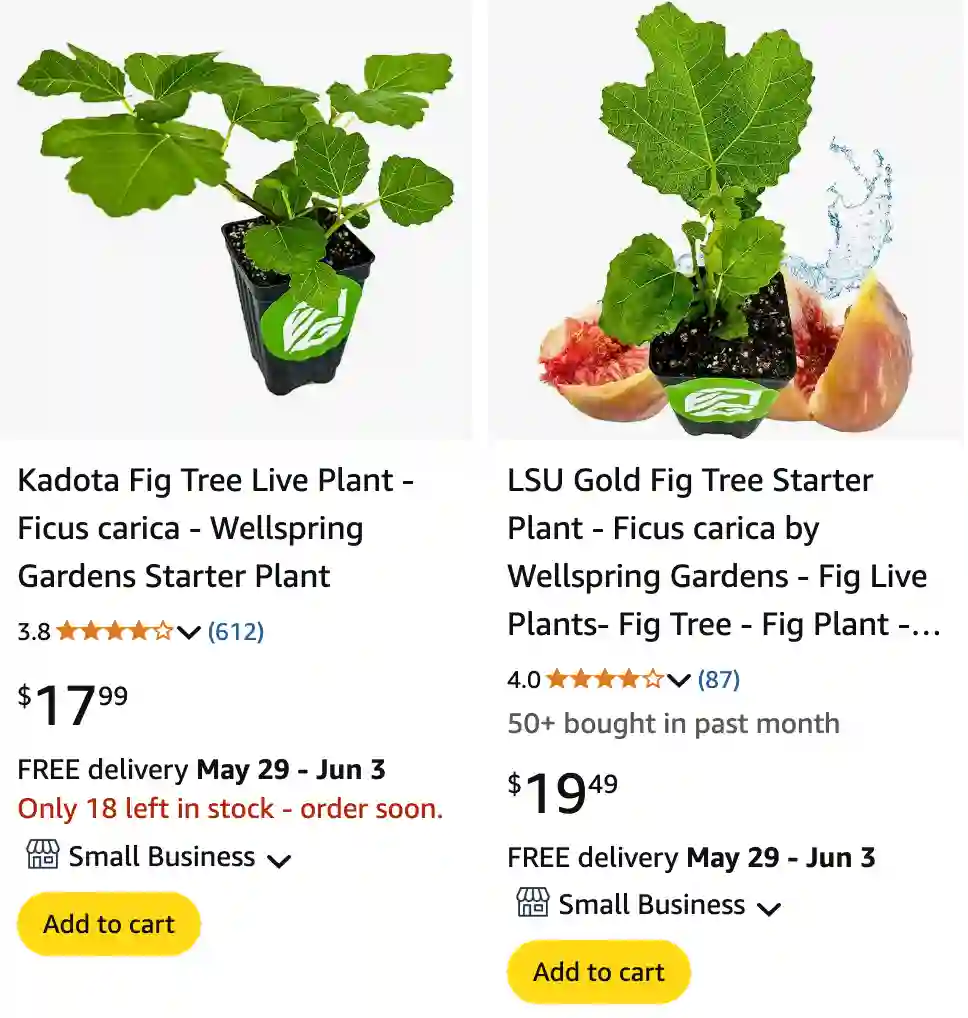
I’ve tried a few varieties myself. The Brown Turkey is a classic — hardy, reliable, and sweet. The Black Mission variety produces dark purple figs with a rich taste. Kadota is a lighter green fig, great for fresh eating and preserves. Each variety offers slightly different flavors and growing habits, so it’s worth experimenting.
Can Ficus Carica Be Grown Indoors?
One common question I hear is about indoor fig growing. Yes, it’s possible! But you need a bright spot with lots of indirect sunlight. I keep mine near a south-facing window, and I’ve noticed it fruits better with enough light. Also, controlling humidity and temperature indoors is vital. Overwintering young trees inside protects them from frost, which I recommend if you’re in a cooler climate.
How Long Does It Take for Ficus Carica to Bear Fruit?
From my experience, fig trees typically start producing fruit 2-3 years after planting. Some varieties can fruit earlier, but patience is key. Also, fruit production improves with age as the tree establishes a stronger root system. Regular pruning and proper care help stimulate fruiting.
What Pests and Diseases Should I Watch For?
Ficus Carica is generally hardy but not immune. I’ve encountered fig rust, which causes orange spots on leaves, and fig mosaic virus, which leads to leaf distortion. Proper spacing and pruning help prevent these. Pests like aphids, scale insects, and spider mites can attack, but I manage them with natural insecticidal soap sprays.
Can Ficus Carica Grow in Containers?
Definitely. Growing figs in pots lets you control soil and move the plant to favorable conditions. I use large containers (15 gallons or more) with good drainage. Container-grown figs often need more watering and feeding than those in the ground but can thrive with the right care.
How Do I Harvest and Store Figs?
Figs don’t continue ripening after picking, so I wait until they are fully soft and slightly drooping on the tree. I harvest them gently to avoid bruising. Once picked, fresh figs don’t last long — usually a couple of days in the fridge. I often freeze them or make preserves to extend their use.
Final Thoughts
Growing Ficus Carica is incredibly rewarding. The tree is resilient, productive, and beautiful. Learning how to grow Ficus Carica well involves understanding its natural preferences — lots of sun, well-draining soil, and occasional pruning. It’s a plant that demands some patience but pays off with delicious fruit and elegant foliage.

If i die, water my plants!