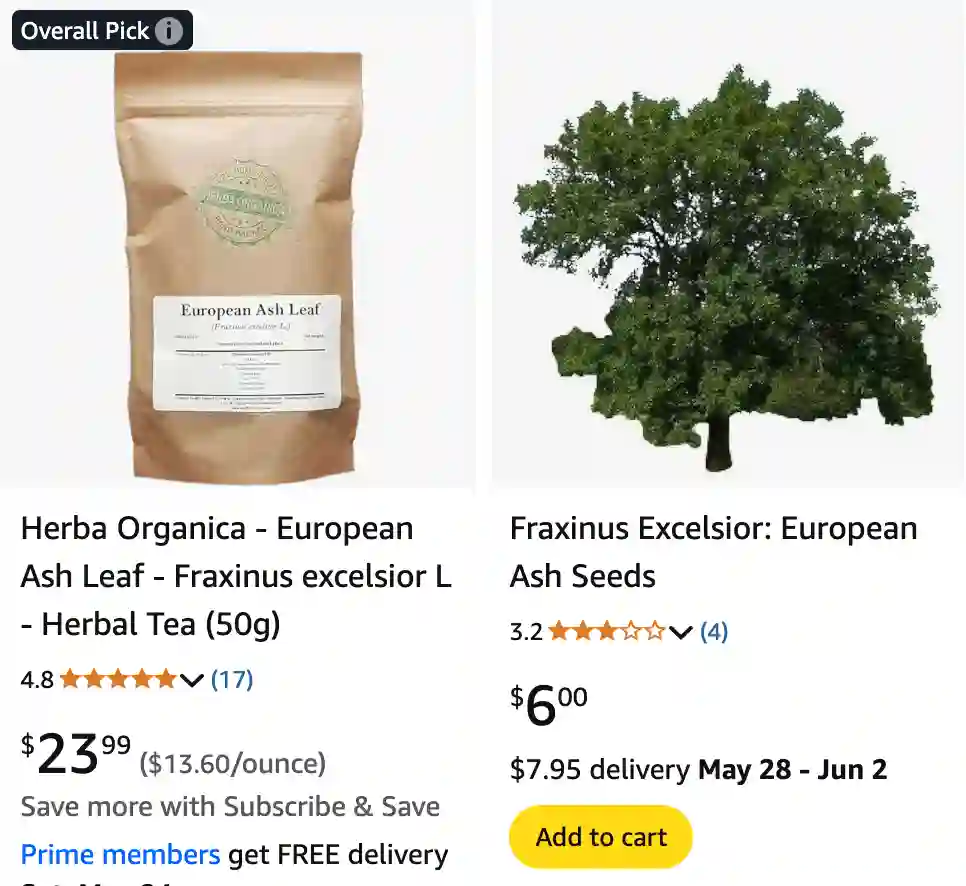
Hi, I’m Ferb Vu. Over the years, I’ve spent a lot of time learning about trees, especially Fraxinus Excelsior, also known as the European Ash. It’s a fascinating species with rich history, great ecological value, and unique characteristics. I want to share what I’ve learned and experienced through this FAQ-style article. I’ll also compare it with similar trees to help you get a clearer picture. Let’s dive in!
What Is Fraxinus Excelsior?
Fraxinus Excelsior, or European Ash, is a large deciduous tree native to Europe and parts of western Asia. It grows tall—often 20 to 40 meters—and has a distinctive open crown with pinnate leaves. I first noticed how graceful and airy this tree looks, with its compound leaves and black buds.
It thrives in a variety of soils, especially moist, well-drained ones, and is commonly found in woodlands, parks, and along roadsides. What I love most is its versatility—it’s tough but elegant.
How Does Fraxinus Excelsior Compare to Other Ash Species?
There are several ash species worldwide, but Fraxinus Excelsior stands out for its size and adaptability. For instance, Fraxinus Americana, or White Ash, native to North America, is similar but tends to have a more rounded crown and slightly different leaf structure.
In my experience, Fraxinus Excelsior feels more delicate due to its thinner leaflets, but it’s just as resilient. Compared to Fraxinus Pennsylvanica (Green Ash), which is more tolerant to urban pollution, Fraxinus Excelsior prefers less harsh environments but rewards with finer aesthetics.
What Are the Key Identifying Features of Fraxinus Excelsior?
If you want to identify Fraxinus Excelsior, look for:
- Leaves: Pinnate, with 7-13 leaflets, each about 4–10 cm long. The leaflets have finely serrated edges.
- Bark: Smooth and pale grey when young, becoming fissured with age.
- Buds: Black and velvety, quite distinctive. I always check the buds in winter because they stand out.
- Seeds: Known as “keys” or samaras, they are winged and hang in clusters.
The black buds were a big giveaway for me when identifying this tree during winter months.
Is Fraxinus Excelsior Susceptible to Any Diseases?
Yes, one of the biggest challenges with Fraxinus Excelsior today is the Ash Dieback disease, caused by the fungus Hymenoscyphus fraxineus. I’ve seen many beautiful ash trees succumb to it in parks and natural reserves.
The disease causes leaf loss, crown dieback, and can eventually kill the tree. However, some Fraxinus Excelsior individuals show resistance, and there are ongoing conservation efforts to preserve these genetic strains.
How Does Fraxinus Excelsior Support Local Wildlife?
Fraxinus Excelsior plays a vital role in ecosystems. Its seeds provide food for birds like finches and siskins, and its leaves support many species of moths and butterflies.
In my observations, woodpeckers and other birds also use ash trees for nesting. The wood itself, once decayed, supports fungi and invertebrates that are crucial for forest health.
Can Fraxinus Excelsior Be Grown in Urban Settings?
Absolutely, though with caution. Fraxinus Excelsior prefers ample space to grow its broad crown and deep roots. In urban environments, it can suffer from pollution and soil compaction.
That said, I’ve seen it planted successfully in large parks and wide avenues. Its tolerance for shade and ability to thrive in different soils makes it a good candidate for urban forestry, provided it gets enough care.
How Fast Does Fraxinus Excelsior Grow?
Fraxinus Excelsior is considered a fast-growing tree. In optimal conditions, I’ve seen it grow about 60-100 cm per year during its juvenile phase. This quick growth makes it great for reforestation or quick shade.
However, its lifespan is relatively shorter compared to some hardwoods—usually 150-200 years—but still long enough to be a lasting fixture in landscapes.
How Does Fraxinus Excelsior Compare with Oak Trees?
Oak trees (Quercus species) are often compared to Fraxinus Excelsior because both are iconic European hardwoods. Oaks generally grow slower and live longer than ash trees.
In my experience, oak wood is denser and more durable, often used in furniture and flooring. Fraxinus Excelsior wood is lighter but highly flexible, prized for tool handles and sports equipment.
Visually, oak leaves are lobed and broader, while ash leaves are pinnate with slender leaflets. If you want quick shade, ash is your go-to; for long-term legacy and wildlife diversity, oak might be better.
What Are the Common Uses of Fraxinus Excelsior Wood?
Fraxinus Excelsior wood is strong, elastic, and shock-resistant. I find it fascinating that it’s widely used for making baseball bats, furniture, tool handles, and even musical instruments.
Compared to oak, ash wood is lighter and more flexible, which makes it ideal where bending and shock absorption are needed.
What Are the Best Conditions to Grow Fraxinus Excelsior?
Fraxinus Excelsior prefers:
- Soil: Moist, well-drained, slightly alkaline to neutral.
- Sunlight: Full sun to partial shade.
- Climate: Temperate zones with moderate rainfall.
In my own garden, I noticed it did well with regular watering and minimal fertilization. It doesn’t like waterlogged soils or heavy droughts.
Can Fraxinus Excelsior Be Used for Bonsai?
Yes, I have experimented with Fraxinus Excelsior as bonsai. Its flexible branches and small leaflets lend themselves well to shaping.
However, it requires careful pruning and attention to watering. It’s not the easiest species for beginners, but the result is rewarding.
What Is the Ecological Importance of Fraxinus Excelsior?
Fraxinus Excelsior is a keystone species in many temperate forests. It helps stabilize soil, supports biodiversity, and contributes to carbon sequestration.
From personal observation, where ash populations decline, there’s often a noticeable impact on local insect populations and bird species. Its loss is a warning sign for forest health.
Summary
Fraxinus Excelsior is more than just a beautiful tree. It’s an ecological pillar, a valuable resource, and a testament to nature’s resilience. Though it faces threats, it continues to inspire me with its grace and utility. If you’re considering planting it or just want to learn more, I hope these FAQs have helped.

If i die, water my plants!