Hi, I’m Ferb Vu, and today I want to share everything I’ve learned about Iberis Sempervirens, a beautiful evergreen plant that I’ve had the pleasure to grow and care for. If you’re thinking about adding this hardy shrub to your garden or just curious about its qualities, I hope my insights help you out.
What Is Iberis Sempervirens?
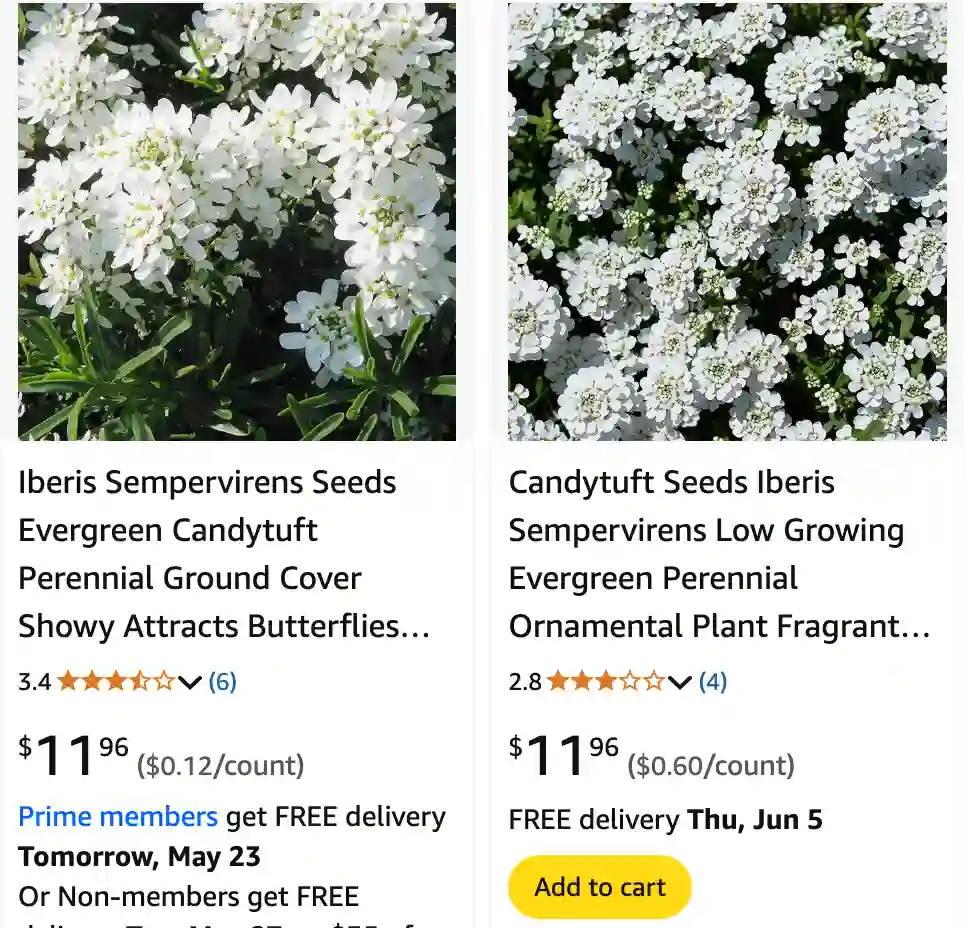
Iberis Sempervirens, commonly known as Evergreen Candytuft, is a low-growing perennial shrub. It’s part of the Brassicaceae family, which includes mustard and cabbage plants. What makes Iberis special is its bright white flowers and glossy green leaves that stay vibrant year-round.
I grew Iberis Sempervirens mainly for its long-lasting blooms and evergreen foliage. It works great as a ground cover or edging plant because it spreads nicely and adds a crisp white contrast to other colorful garden plants.
How Does Iberis Sempervirens Compare to Other Ground Covers?
I’ve often compared Iberis Sempervirens with other popular ground covers like Ajuga, Creeping Phlox, and Vinca Minor. Here’s how I see it:
- Ajuga has striking purple leaves and flowers but tends to prefer shadier spots, whereas Iberis thrives in full sun.
- Creeping Phlox also flowers profusely but blooms earlier in spring and comes in various colors. Iberis, on the other hand, blooms slightly later but its white flowers have a classic elegance.
- Vinca Minor is evergreen too but has purple-blue flowers and can be a bit invasive in some regions. Iberis Sempervirens feels more manageable and tidy in my garden.
The evergreen nature and neat growth habit of Iberis make it perfect if you want a low-maintenance yet classy ground cover.
What Are the Ideal Growing Conditions for Iberis Sempervirens?
From my experience, Iberis Sempervirens prefers:
- Full sun exposure: At least six hours of direct sunlight daily.
- Well-draining soil: It doesn’t like soggy roots. Sandy or rocky soil with good drainage works best.
- Moderate watering: Once established, it’s fairly drought-tolerant. Overwatering can cause root rot, so less is more.
- Neutral to slightly alkaline pH: Though it’s adaptable, I noticed it thrives best in soil with a pH around 6.5 to 7.5.
If you plant Iberis Sempervirens in a shady or poorly drained area, it won’t flower as well and might develop fungal problems. I made this mistake once and learned the hard way.
How Do I Care for Iberis Sempervirens?
Caring for Iberis Sempervirens is straightforward. Here’s what I do to keep mine healthy:
- Pruning: After flowering, I trim the spent blooms and lightly shear the plant to maintain its shape and encourage a second bloom.
- Fertilizing: I use a balanced, slow-release fertilizer in early spring to boost growth.
- Mulching: Applying mulch helps retain moisture and keeps weeds down.
- Pest and disease control: Iberis is generally resistant to pests, but aphids and fungal diseases can occasionally show up. Regularly inspecting the leaves helps me catch any problems early.
Can Iberis Sempervirens Be Used in Rock Gardens or Containers?
Absolutely! Iberis Sempervirens is a favorite for rock gardens because of its compact size and preference for well-drained, rocky soil. Its evergreen foliage and white flowers contrast beautifully with stones and other drought-tolerant plants like Sedum or Lavender.
I’ve also grown Iberis in containers. Just make sure the pots have good drainage holes and don’t overwater. Container-grown Iberis still blooms well, making it a versatile choice for patios or balconies.
How Does Iberis Sempervirens Handle Cold and Heat?
One thing I appreciate about Iberis Sempervirens is its hardiness. It tolerates cold winters, typically surviving USDA zones 3 through 9. In my region, it stays green and blooms well even after frost.
However, in extreme heat or drought conditions, the plant may struggle if not watered occasionally. I find that a little supplemental watering during hot summer spells keeps Iberis looking fresh.
What Are Some Plants That Pair Well With Iberis Sempervirens?
Iberis Sempervirens pairs beautifully with a variety of plants due to its neat, white blooms and evergreen leaves. Here are a few I like:
- Lavender: The purple spikes and fragrant leaves contrast well with Iberis.
- Salvia: Their taller flower spikes add vertical interest.
- Hostas: Their broad leaves offer a lush backdrop for Iberis.
- Sedum: Both are drought-tolerant and complement each other’s textures.
- Roses: Iberis works well as an edging plant around rose beds, enhancing the color impact.
I love mixing Iberis with perennials that have contrasting textures and colors to keep my garden visually interesting all year.
How Long Does Iberis Sempervirens Bloom?
Typically, Iberis blooms from mid-spring to early summer, about 4 to 6 weeks. If you prune lightly after the first bloom, some varieties will give you a smaller second flush of flowers later in the summer.
Its white flowers are quite showy and attract pollinators like bees and butterflies, which I find rewarding as a gardener.
Can Iberis Sempervirens Become Invasive?
In my experience, Iberis Sempervirens spreads slowly by creeping stems but does not tend to become invasive. It stays mostly where I plant it and doesn’t crowd out nearby plants aggressively.
That said, in ideal conditions, it can spread to fill an area over time. If you prefer a more controlled garden, periodic trimming helps keep it tidy.
Is Iberis Sempervirens Deer Resistant?
Yes! This was a big plus for me since deer can be a problem in my area. Iberis Sempervirens is generally deer-resistant due to its bitter taste and tough foliage.
While no plant is 100% deer-proof, I’ve found Iberis remains untouched compared to other perennials and shrubs.
Final Thoughts on Iberis Sempervirens
To sum up, Iberis Sempervirens is a reliable, attractive evergreen shrub that adds bright white flowers and year-round greenery to gardens. Its easy care, drought tolerance, and deer resistance make it a favorite for me.
If you want a low-growing ground cover or a neat edging plant that blooms beautifully in spring and stays green through winter, I highly recommend giving Iberis Sempervirens a try. Just remember to plant it in sunny, well-drained spots and prune lightly to keep it looking its best.

If i die, water my plants!