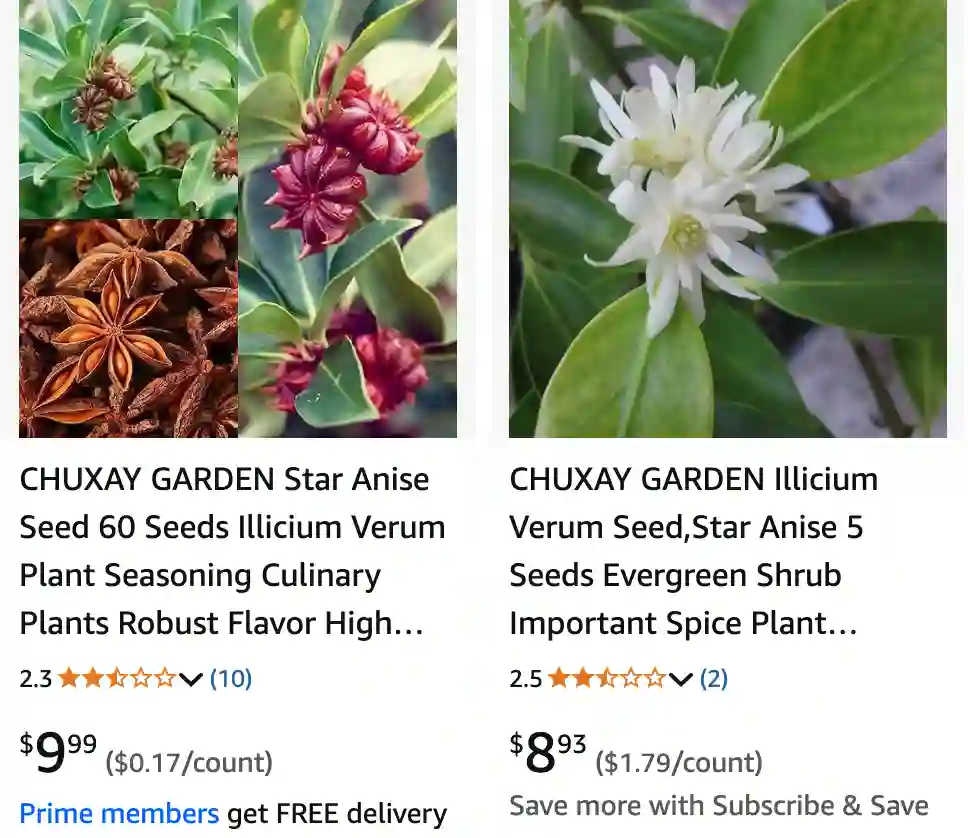
When I first came across Illicium Verum, I was immediately intrigued by its rich history, culinary uses, and medicinal properties. It’s a fascinating plant, often known as star anise, with a unique star-shaped fruit that’s as beautiful as it is useful. Over time, I’ve gathered answers to many common questions about Illicium Verum that I think anyone interested in this plant would appreciate. In this article, I’ll share these FAQs with you, including a key comparison between Illicium Verum vs Illicium Anisatum, which is essential for safety reasons.
What Is Illicium Verum?
Illicium Verum is an evergreen tree native to Southeast Asia, especially China and Vietnam. Its star-shaped seed pods, often called star anise, have been prized for centuries. The dried fruit has a sweet, licorice-like flavor and is widely used in cooking, especially in Asian cuisines. Beyond its culinary appeal, Illicium Verum is also valued in traditional medicine for its antimicrobial and anti-inflammatory effects.
What Are the Uses of Illicium Verum?
In my experience, Illicium Verum shines in several areas:
- Culinary: It is a staple in spice blends like Chinese five-spice powder and is used to flavor soups, stews, and teas. Its aroma is warm and sweet, making it perfect for desserts as well.
- Medicinal: Illicium Verum contains shikimic acid, a precursor to the antiviral drug oseltamivir (Tamiflu). It’s also used in traditional remedies to soothe digestive issues and relieve colds.
- Aromatherapy & Cosmetics: The essential oil extracted from Illicium Verum is used in perfumes, soaps, and as an insect repellent.
How to Identify Genuine Illicium Verum?
One of the first challenges I faced was distinguishing Illicium Verum from its look-alikes. Genuine Illicium Verum pods are larger, with eight or more points forming the star shape. The seeds inside are shiny and dark brown. The aroma is sweet and mild, not overpowering.
Illicium Verum vs Illicium Anisatum: What’s the Difference?
This comparison is critical. Illicium Anisatum, sometimes called Japanese star anise, looks almost identical to Illicium Verum but is highly toxic. I always warn anyone interested in using star anise to avoid Illicium Anisatum entirely.
- Toxicity: Illicium Anisatum contains anisatin, a neurotoxin harmful to humans and animals.
- Use: Illicium Anisatum is used traditionally as a ceremonial incense in Japan, not for culinary or medicinal purposes.
- Appearance: While both have star-shaped pods, Illicium Anisatum pods are smaller and have fewer points, typically six to eight, and their smell is harsher and unpleasant.
- Safety: Consuming Illicium Anisatum can cause severe poisoning. I always recommend sourcing star anise from reputable suppliers to ensure it’s Illicium Verum.
Understanding this difference helped me appreciate the importance of proper identification and sourcing.
Is Illicium Verum Safe to Consume?
Yes, when sourced correctly, Illicium Verum is safe and widely used in food and medicine. However, like all spices and herbs, it should be used in moderation. Some people might have allergic reactions or sensitivities, so I advise starting with small amounts, especially when using essential oils derived from the plant.
How Do You Store Illicium Verum?
Proper storage keeps Illicium Verum fresh and flavorful. I keep the dried star anise pods in an airtight container, away from light and moisture, usually in a cool, dry pantry. This method helps preserve their aroma and potency for up to a year.
Can Illicium Verum Help With Health Issues?
There’s interesting research on the health benefits of Illicium Verum. From my personal experience and what I’ve read:
- It can aid digestion by reducing bloating and gas.
- It has antimicrobial properties that can help fight off infections.
- The presence of shikimic acid makes it valuable in antiviral treatments.
Still, I always remind myself and others that while traditional medicine embraces Illicium Verum, it should not replace professional medical advice or treatments.
How Does Illicium Verum Affect Flavor?
The flavor of Illicium Verum is complex and delightful. It offers sweet, warm, and slightly spicy notes reminiscent of anise seed but with more depth. In cooking, I use it sparingly in broths, baked goods, and even cocktails. The spice infuses a subtle sweetness that’s hard to replicate.
What Other Plants Are Related to Illicium Verum?
Illicium Verum belongs to the Schisandraceae family. Other notable plants include:
- Illicium Anisatum (Japanese star anise) – toxic and non-edible.
- Illicium Henryi – used for ornamental purposes.
- Illicium Floridanum – native to the southeastern United States, mainly ornamental.
Knowing these related species is important, especially for foragers or those using star anise in traditional remedies.
Final Thoughts
Illicium Verum is more than just a pretty spice; it’s a versatile plant with culinary, medicinal, and aromatic applications. My journey learning about Illicium Verum has taught me the value of knowing the difference between safe and toxic varieties, like Illicium Anisatum. If you decide to incorporate star anise into your kitchen or wellness routine, always source from trusted sellers and respect its potency.

If i die, water my plants!