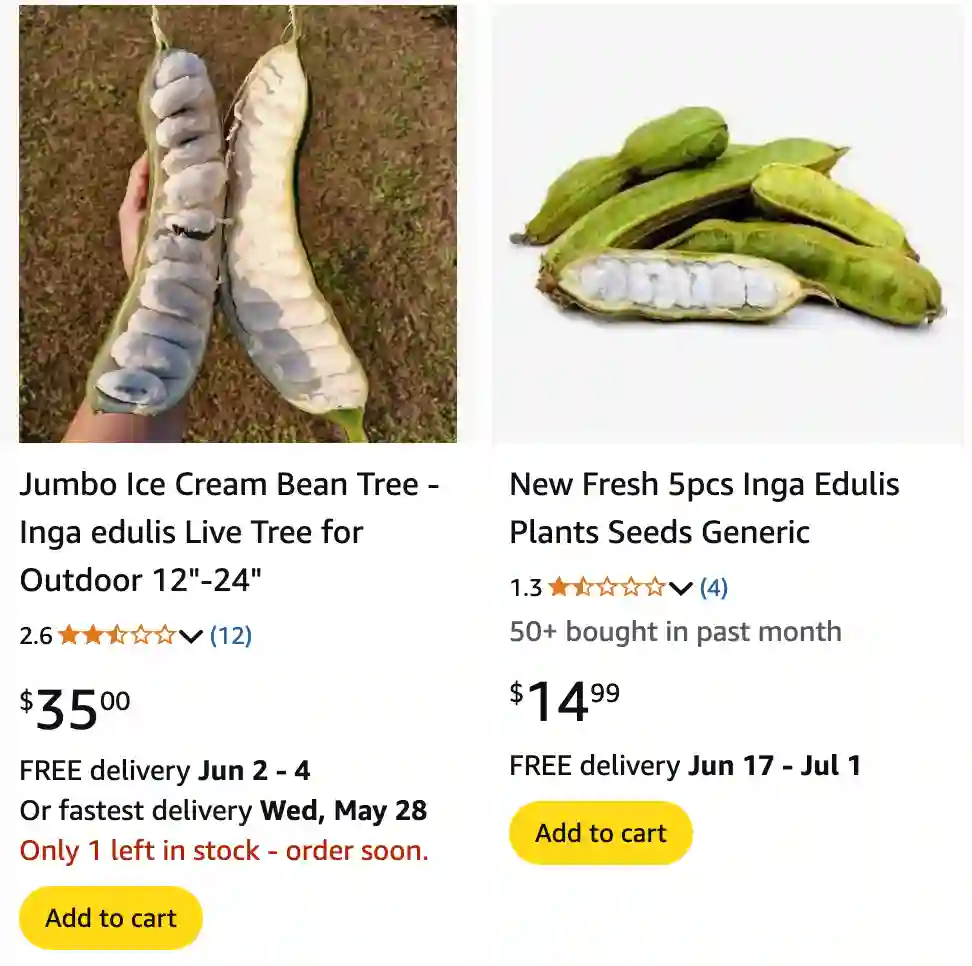
Welcome, fellow green thumbs and curious minds! It’s Ferb Vu here, and today I want to delve into a fascinating topic that’s been buzzing in many agricultural circles and permaculture discussions: Inga Edulis. You might know it by its more common name, the ice cream bean tree, and let me tell you, it’s a plant with a lot to offer. I’ve had my fair share of experiences with this incredible species, and I often get a lot of questions about it. So, I thought, why not put together a comprehensive FAQ based on my observations and understanding?
What exactly is Inga Edulis?
At its core, Inga Edulis is a fast-growing, nitrogen-fixing leguminous tree native to Central and South America. It’s renowned for its edible fruit, which is a long, green pod containing a sweet, cotton-like pulp that surrounds large seeds. The flavor is often compared to vanilla ice cream, hence the delightful nickname! Beyond its delicious fruit, this tree is a powerhouse for ecological restoration and sustainable agriculture due to its ability to improve soil fertility. It’s a key player in agroforestry systems, particularly for its role in alley cropping and reforestation projects.
How does Inga Edulis fix nitrogen?
This is where the magic of legumes comes in. Inga Edulis, like other members of the legume family, forms a symbiotic relationship with certain bacteria in the soil called rhizobia. These bacteria colonize the tree’s roots, forming nodules where atmospheric nitrogen (N2) is converted into a usable form of nitrogen, like ammonia (NH3). This process, known as nitrogen fixation, enriches the soil, making it more fertile for other plants growing nearby. It reduces the need for synthetic fertilizers, which is a huge win for environmental sustainability.
What are the ideal growing conditions for Inga Edulis?
Inga Edulis thrives in tropical and subtropical climates. It prefers warm temperatures, high humidity, and consistent rainfall. While it can tolerate a range of soil types, it performs best in well-drained, fertile soil. It’s also quite adaptable to various light conditions, from full sun to partial shade, though fruit production tends to be higher with more sun exposure. I’ve seen it flourish in areas with a distinct wet and dry season, as long as it gets enough moisture during its establishment phase. It’s a remarkably resilient tree once it’s settled in.
How long does it take for Inga Edulis to bear fruit?
This is a common question for anyone eager to taste that “ice cream” flavor! Typically, Inga Edulis can start producing fruit within 3 to 5 years from seed, sometimes even sooner if grown from cuttings. The speed of fruiting can depend on several factors, including climate, soil quality, and the specific variety or provenance of the tree. Once established, they can be quite prolific, offering a consistent harvest.
Can Inga Edulis be grown in temperate climates?
While Inga Edulis prefers tropical conditions, it can be grown in warmer temperate climates, especially if protected from frost. In cooler regions, it might be necessary to cultivate it in a greenhouse or as a potted plant that can be moved indoors during colder months. However, fruit production in such conditions might be reduced or non-existent, as the tree’s primary focus will be on survival rather than reproduction. I’ve seen some success in very mild Mediterranean climates, but it’s always a gamble outside its preferred range.
Inga Edulis vs. Inga Feuillei: What’s the difference?
This is a great question, and one I get quite often! Both Inga Edulis and Inga Feuillei are popular species within the Inga genus, but they have distinct characteristics. Inga Edulis is generally known for its larger, more elongated pods and its sweet, abundant pulp, which is why it’s so widely cultivated for its fruit. The pulp of Inga Edulis tends to be very cottony and melts in your mouth, living up to its “ice cream” reputation.
On the other hand, Inga Feuillei, often called the “Pacay” or “Guama,” typically has shorter, fatter pods, and while its pulp is also sweet, it can be a bit more fibrous or less abundant compared to Inga Edulis. The flavor profile can also be slightly different, though still very pleasant. From an agricultural perspective, Inga Edulis is often favored for its fruit production, while Inga Feuillei might be chosen for its hardiness in certain conditions or for its specific timber qualities, although both are excellent nitrogen fixers and valuable for agroforestry. It really comes down to your specific needs and what you prioritize, whether it’s fruit yield, growth habit, or adaptability to a particular microclimate. Both contribute significantly to soil health and biodiversity.
Are there any other notable Inga species?
Absolutely! The Inga genus is incredibly diverse, with over 300 species. While Inga Edulis and Inga Feuillei are among the most well-known for their edible fruit and agroforestry applications, many other species play vital roles in their native ecosystems. For example, Inga Vera is another species sometimes used in agroforestry, and there are many lesser-known Inga varieties with unique characteristics, from different pod shapes and sizes to varying pulp flavors and textures. Each species has its own ecological niche and specific uses, whether for timber, fodder, or simply for their incredible soil-enriching properties. Exploring the broader Inga genus reveals a fascinating world of biodiversity and sustainable solutions.
What are the main uses of Inga Edulis beyond its fruit?
Beyond its delicious fruit, Inga Edulis offers a multitude of benefits, especially in permaculture and agroforestry. Its primary ecological function is nitrogen fixation, which significantly improves soil fertility, reducing the need for external fertilizers. It’s often used as a “nurse tree” to shade out weeds and provide a microclimate for other cash crops like coffee or cocoa, especially during their establishment phase. Its rapid growth makes it an excellent choice for reforestation and erosion control, particularly on degraded lands. The leaves can also be used as fodder for livestock, and its wood, while not typically a primary timber source, can be used for firewood or light construction. It’s a truly multifunctional tree.
Are there any pests or diseases that commonly affect Inga Edulis?
Like any plant, Inga Edulis can be susceptible to certain pests and diseases, though it’s generally considered quite hardy. Common issues can include fungal diseases in overly wet conditions, or attacks from specific insect pests that might target its leaves or pods. However, in healthy, biodiverse agroforestry systems, natural predators often keep pest populations in check. Maintaining good air circulation, proper spacing, and healthy soil can go a long way in preventing most problems. I’ve found that a well-managed ecosystem inherently minimizes the impact of potential issues.
Is Inga Edulis invasive?
While Inga Edulis is a fast-growing tree and can spread readily through its seeds, it’s not generally considered invasive in the same way as some other introduced species. Its spread is often contained by human activity and its specific environmental requirements. In agroforestry systems, its growth is managed, and its beneficial properties are harnessed. However, like with any introduced species, it’s always wise to consider the local ecosystem and potential impacts before planting extensively, especially outside its native range. Responsible planting and management are key.
I hope this deep dive into the FAQs of Inga Edulis has been insightful. This tree truly is a marvel, offering both sustenance and ecological benefits. It’s a testament to the power of nature and the potential of sustainable agricultural practices. If you’re considering incorporating this remarkable tree into your garden or farm, I wholeheartedly recommend it. Happy growing!

If i die, water my plants!