As someone who has spent years working with trees and gardening, Juglans Regia—commonly known as the English walnut—has always fascinated me. It’s a tree that not only produces delicious nuts but also carries a rich history and distinct botanical traits. I often get asked questions about Juglans Regia, especially in comparison with its cousin Juglans Nigra, the Black walnut. Today, I want to share what I’ve learned from my own experiences and research to help anyone curious about these majestic trees.
What Is Juglans Regia?
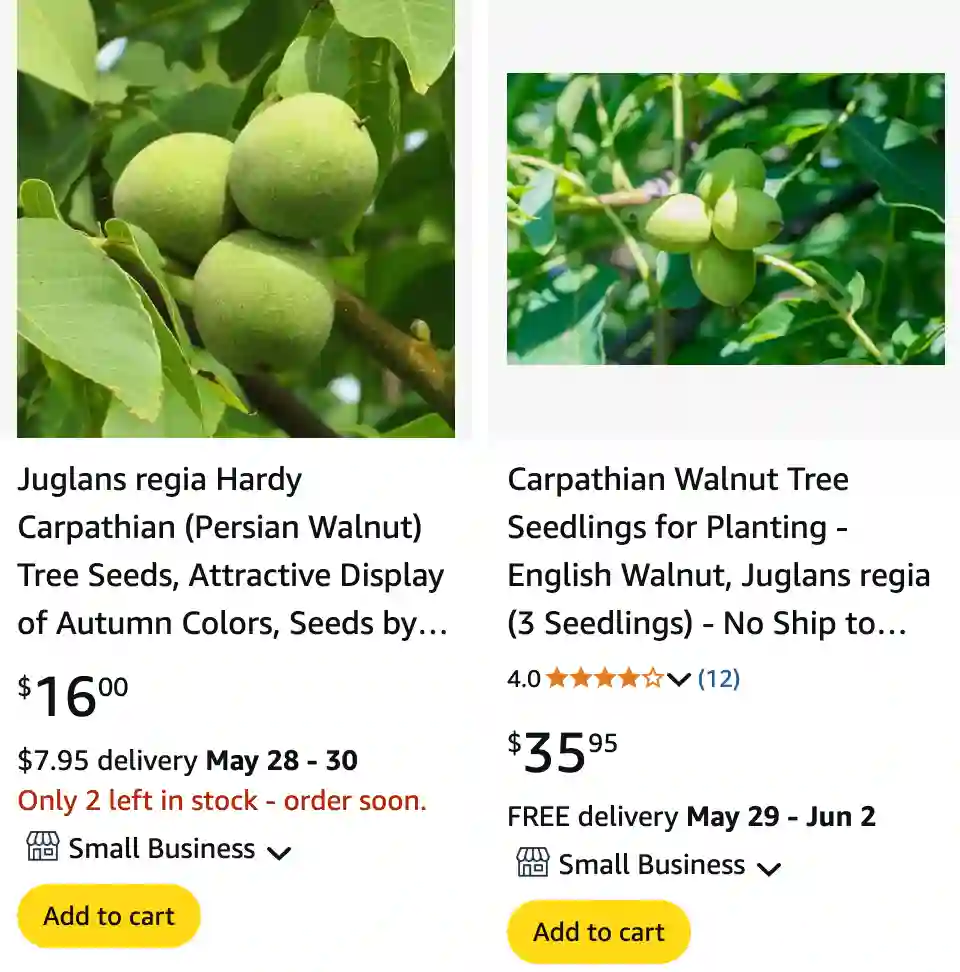
Juglans Regia is the species of walnut tree native to Central Asia and widely cultivated across Europe, North America, and other temperate zones. Unlike other walnuts, it’s prized primarily for its large, edible nuts with thin shells and smooth, flavorful kernels. The wood of Juglans Regia is also valuable—dense, fine-grained, and often used in furniture and veneers.
When I first planted Juglans Regia in my backyard, I was impressed by its relatively fast growth and the beauty of its pinnate leaves. The tree can reach heights of 40 to 80 feet, with a spreading crown. It prefers well-drained soils and moderate climates, so in my temperate zone, it flourished well.
How Does Juglans Regia Compare to Juglans Nigra?
This question comes up a lot, usually phrased as “juglans regia vs juglans nigra.” Both are walnut species, but they have clear differences.
Juglans Nigra, or the Black walnut, is native to eastern North America and is known for its dark, rich wood and the strong flavor of its nuts. Compared to Juglans Regia, Black walnuts have a thicker shell and a more intense, earthy taste. Their husks produce a natural chemical called juglone, which inhibits the growth of some nearby plants—a phenomenon called allelopathy. This can be a downside if you’re planning a diverse garden.
In contrast, Juglans Regia nuts are milder and easier to crack. The tree itself tends to be less allelopathic, making it friendlier for companion planting. However, Black walnut wood is more prized in woodworking for its darker color and durability.
From my experience, if you’re primarily interested in nut production for eating or baking, Juglans Regia is the better choice. But if you want timber or a more rustic nut flavor, Juglans Nigra might be the way to go.
What Are the Growing Conditions for Juglans Regia?
Juglans Regia thrives best in well-drained, fertile soils with neutral to slightly acidic pH. It prefers full sun and moderate rainfall. When I planted mine, I made sure to choose a spot where water wouldn’t pool after rains. The tree doesn’t tolerate waterlogging well, and that can lead to root rot.
A key tip I discovered is to provide ample space—these trees develop wide, spreading roots that need room. Avoid planting too close to buildings or other trees.
How Long Does Juglans Regia Take to Produce Nuts?
Juglans Regia usually begins producing nuts 4 to 7 years after planting. In my case, I saw the first nuts around year five. The yield grows larger as the tree matures, often peaking around 15 to 20 years old. Annual nut harvests can vary with weather and care, but patience definitely pays off.
Are There Common Pests or Diseases?
Yes. Like many trees, Juglans Regia is vulnerable to certain pests like the walnut husk fly and diseases such as walnut blight. When I noticed black spots on some leaves and husks, I treated the tree promptly with organic fungicides. Regular inspection is key to keeping the tree healthy.
Can Juglans Regia Be Grown in Urban Areas?
Juglans Regia can be grown in urban gardens if there’s enough space and the soil conditions are right. However, the tree’s large size and root system mean it’s better suited for bigger yards or parks. I wouldn’t recommend planting it in small city gardens or near septic systems.
How Should I Harvest and Store Juglans Regia Nuts?
Harvesting is straightforward. When the husks start splitting and the nuts fall to the ground, it’s time to collect. I always gather nuts quickly to avoid mold and pests. After harvest, remove the husks, dry the nuts for a few weeks in a ventilated area, then store them in cool, dry conditions. Properly dried walnuts keep for months without losing flavor.
Why Are Juglans Regia Nuts So Popular?
Aside from their taste, Juglans Regia nuts are rich in healthy fats, protein, and antioxidants. They’re used in baking, cooking, and eaten raw. The tree’s nuts are also a key export crop in many countries, which explains their global availability.
What About Juglans Regia Wood?
Beyond nuts, Juglans Regia wood is highly sought after for fine furniture, flooring, and veneers. The wood is lighter than Black walnut but still hard and durable. I’ve worked with both woods and found Regia’s lighter color and smooth grain excellent for indoor projects.
In summary, Juglans Regia offers great value both as a nut producer and a timber tree. When considering “juglans regia vs juglans nigra,” think about your priorities—nut quality and flavor, wood characteristics, and garden compatibility. With proper care, Juglans Regia can be a rewarding addition to your landscape, providing beauty, nutrition, and woodcraft materials for years to come.

If i die, water my plants!