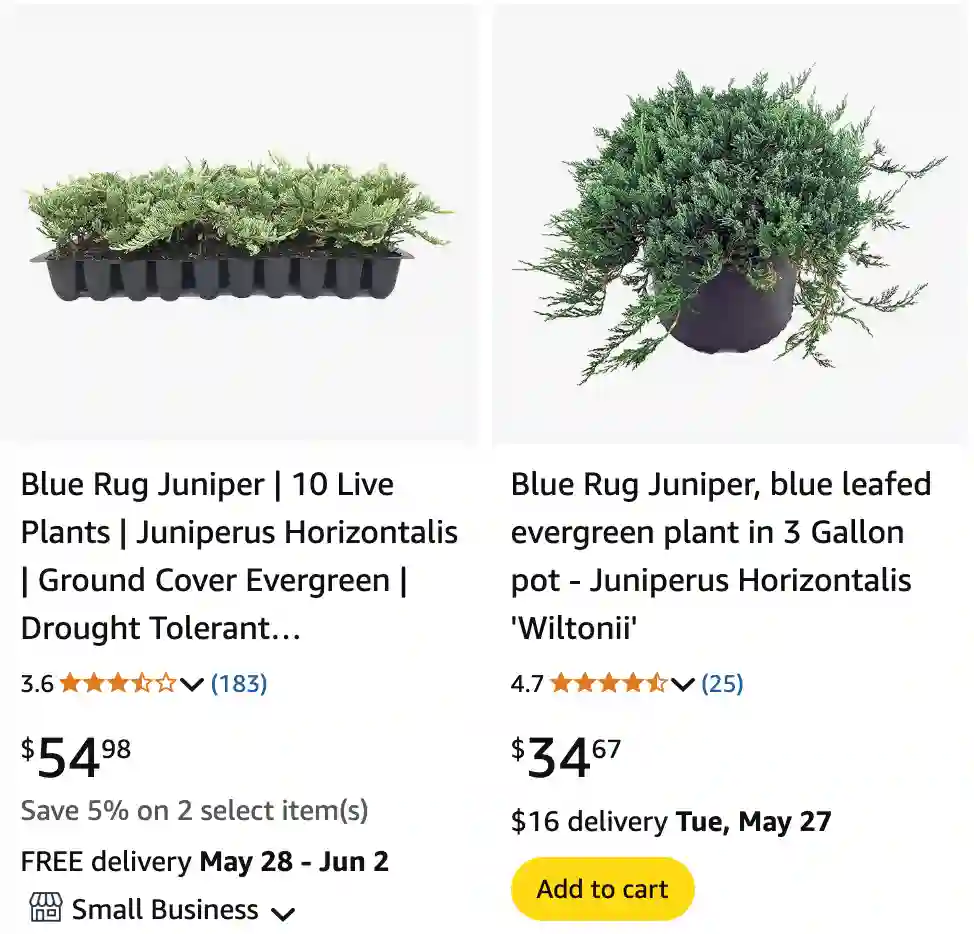
Hello, I’m Ferb Vu, and I’ve spent quite a bit of time growing and caring for Juniperus Horizontalis, commonly known as creeping juniper. This low-growing, sprawling evergreen is a fantastic ground cover and a beautiful addition to any landscape. I’m writing this FAQ article to share what I’ve learned firsthand about this plant, answering common questions, comparing it with similar species, and helping you decide if it fits your garden needs.
What Is Juniperus Horizontalis and Why Do I Like It?
Juniperus Horizontalis is a type of creeping juniper native to North America. It hugs the ground, spreading out wide with dense, needle-like foliage. I love this plant because it’s tough, drought-tolerant, and evergreen. It keeps my garden looking fresh year-round, even in winter when most other plants look tired.
Its low profile means it works great for erosion control on slopes or as a natural mulch that suppresses weeds. The needles often take on a blue-green or even purplish tint in cold weather, which adds interesting color to my landscape.
How Does Juniperus Horizontalis Compare to Other Ground Covers?
I’ve tried various ground covers, and here’s how creeping juniper stands out for me:
- Juniperus Horizontalis vs. Vinca Minor (Periwinkle): While vinca offers pretty purple flowers and spreads fast, it can become invasive and requires frequent maintenance. Juniper stays controlled and requires less trimming.
- Juniperus Horizontalis vs. Pachysandra: Pachysandra thrives in shade, whereas creeping juniper prefers full sun to partial shade. In my experience, juniper is more drought-tolerant and better for sunny slopes.
- Juniperus Horizontalis vs. Creeping Thyme: Thyme is great for sunny spots and attracts pollinators, but it’s shorter and less dense. Juniper forms a thicker mat and is more resilient to foot traffic.
If you want a tough, evergreen, and low-maintenance ground cover, Juniperus Horizontalis is my top recommendation.
What Are the Best Growing Conditions for Juniperus Horizontalis?
From what I’ve observed, this juniper loves:
- Sunlight: Full sun to light shade. I get the best growth with at least 6 hours of direct sunlight.
- Soil: Well-draining soil is key. It tolerates sandy, rocky, or even poor soils.
- Water: Once established, it’s drought-resistant. I water regularly in the first year but rarely afterward.
- Climate: It thrives in USDA hardiness zones 3 to 7. I’ve grown it in cold climates without issues.
Avoid soggy or heavy clay soils because they can cause root rot. I’ve learned that good drainage makes all the difference.
How Do I Care for Juniperus Horizontalis?
Maintenance is one of the reasons I enjoy this plant. Here’s what I do:
- Pruning: Minimal pruning is needed. Occasionally, I trim back to keep the shape tidy or remove dead branches.
- Fertilizing: I use a slow-release, balanced fertilizer in early spring. Too much fertilizer can encourage weak, leggy growth.
- Pest and Disease Management: I watch for spider mites or fungal diseases, though these are rare with healthy plants. Proper spacing and airflow help prevent problems.
- Mulching: Applying mulch around the base keeps moisture steady and prevents weeds.
Compared to other shrubs, Juniperus Horizontalis feels forgiving and low-effort.
Can Juniperus Horizontalis Be Used for Landscaping on Slopes?
Absolutely. One of the reasons I planted creeping juniper was its erosion control ability. Its dense, mat-forming habit stabilizes soil and reduces runoff on hillsides.
I found it especially helpful on my backyard slope where grass struggled. Juniper’s roots bind the soil well, and the spreading branches provide a protective cover that stops erosion during heavy rain.
What Are Popular Varieties of Juniperus Horizontalis and Their Differences?
There are several cultivars I’ve tried or researched, each with unique characteristics:
- ‘Wiltonii’ (Blue Rug Juniper): This is my favorite. It has striking silvery-blue foliage and forms a wide, dense mat. It’s ideal for full sun and dry soils.
- ‘Plumosa Compacta’: This variety has a softer, feathery texture and bright green color. It grows more upright than ‘Wiltonii’.
- ‘Bar Harbor’: Known for its vibrant blue needles, this one grows a bit taller and spreads slower.
- ‘Emerald Spreader’: It offers rich green color and a dense habit, suitable for slightly shaded areas.
Choosing the right variety depends on your color preference, growth habit, and site conditions. I recommend starting with ‘Wiltonii’ if you want a classic look.
How Does Juniperus Horizontalis React to Winter and Harsh Conditions?
This juniper is tough in winter. I’ve seen the foliage change color to purplish-red or bronze, which I find beautiful against snowy backgrounds. It remains evergreen, giving year-round interest.
It handles frost well and rarely suffers from winter burn if established properly. In my experience, mulching before winter helps protect the roots from freeze-thaw cycles.
Is Juniperus Horizontalis Deer Resistant?
Yes! One of the biggest wins for me is that deer tend to avoid Juniperus Horizontalis. If you live in an area with high deer pressure, this plant is a great choice to reduce damage. The sharp, aromatic needles don’t appeal to deer, so it stays intact even when other plants are browsed.
Can Juniperus Horizontalis Be Grown in Containers?
I’ve experimented growing creeping juniper in large containers. It works well if you provide:
- A big enough pot for spreading.
- Well-draining soil mix.
- Regular watering, especially in summer.
Container planting is perfect for patios or small spaces, but keep in mind the plant’s spreading nature. Regular pruning helps maintain shape in pots.
What Are Common Problems With Juniperus Horizontalis?
While it’s generally hardy, I’ve encountered a few challenges:
- Root Rot: Caused by poor drainage or overwatering.
- Spider Mites: In dry, hot conditions, these pests can appear but are controllable with insecticidal soap.
- Winter Burn: Rare if well-established, but sudden cold snaps with dry winds can cause browning.
The key is to plant it in the right spot and keep an eye on moisture levels.
Final Thoughts: Is Juniperus Horizontalis Right for My Garden?
If you want a versatile, low-maintenance, and attractive evergreen ground cover, I highly recommend Juniperus Horizontalis. Its drought tolerance, ability to control erosion, and year-round interest have made it a reliable favorite in my garden. It performs best in sunny locations with well-drained soil and minimal care.
For anyone struggling with weed control or bare patches, this juniper can fill in beautifully without taking over like some other ground covers. Plus, it’s a deer-resistant, hardy choice for many climates.

If i die, water my plants!