Hi, I’m Ferb Vu, and I’ve spent quite some time with Lamium Maculatum in my garden. This plant, also known as spotted dead-nettle, often draws a lot of questions, so I wanted to share my personal insights and answers to some of the most frequently asked questions. If you’re curious about whether Lamium Maculatum is invasive, or if it’s toxic to dogs, or simply want to know how to care for it, you’re in the right place.
Is Lamium Maculatum Invasive?
This question comes up a lot, and I get it — no one wants a garden plant to take over uncontrollably. From my experience, Lamium Maculatum is not considered aggressively invasive in most regions. It does spread by creeping stems and can fill in shady spots quickly, which makes it excellent as a ground cover. However, it’s generally easy to control. If you keep an eye on its growth and prune back any runners creeping into unwanted areas, it behaves well.
That said, I know some gardeners in very mild, moist climates have reported that it can naturalize and spread beyond its intended area. But unlike some invasive plants that choke out native species, Lamium tends to stay manageable. Its growth habit is more about filling space gently rather than aggressively taking over.
Is Lamium Maculatum Toxic to Dogs?
Safety around pets is a big deal for me, and I’ve seen this question pop up frequently. To my knowledge and from what I’ve researched, Lamium Maculatum is non-toxic to dogs, cats, and humans. It’s a pretty safe choice if you have furry friends wandering your garden.
Still, even though it’s non-toxic, I always discourage dogs from munching on garden plants. Eating too much of any plant can cause mild stomach upset. I keep an eye on my pups to make sure they don’t snack too much, but I feel comfortable having Lamium around them.
What Makes Lamium Maculatum So Popular?
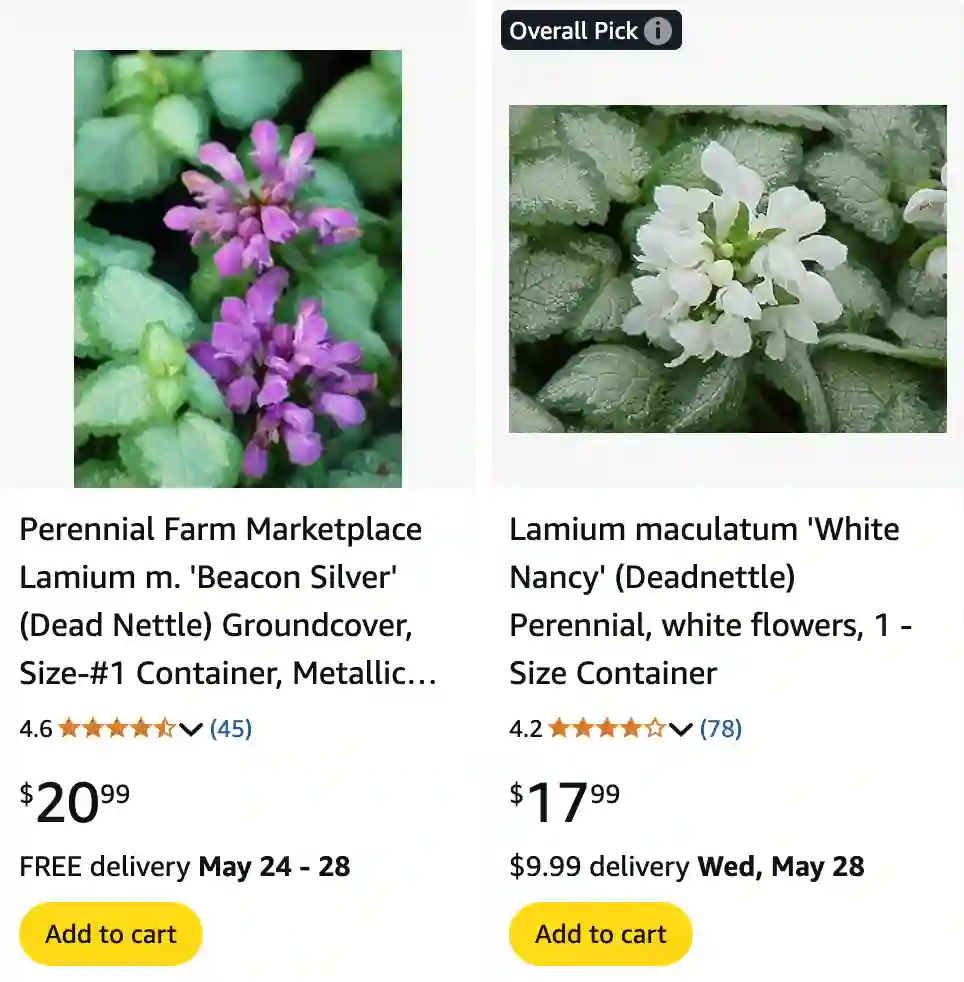
Aside from its low maintenance and ground-cover ability, what I love about Lamium is its ornamental appeal. The leaves are often variegated with white or silver markings that brighten shady garden corners. Plus, its small tubular flowers come in shades of pink, purple, or white, blooming from late spring through summer.
I find it perfect for planting under trees or along pathways where grass won’t grow well. Its shade tolerance and drought resilience make it very versatile. Plus, it attracts pollinators like bees and butterflies, which is always a bonus for a healthy garden ecosystem.
How Do I Care for Lamium Maculatum?
From my own gardening routine, here’s what works best: Lamium thrives in partial to full shade, though some varieties tolerate morning sun. It prefers well-drained soil but is pretty adaptable to different soil types.
I water it moderately — it likes consistent moisture but can handle short dry spells once established. Too much water or soggy soil can lead to root rot, so drainage is key.
Pruning is simple. I usually trim back the plant after flowering to encourage fresh growth and keep it tidy. If it spreads too much, cutting runners helps control its boundaries.
Can Lamium Maculatum Be Used in Containers or Indoors?
Yes! I’ve grown Lamium in containers and hanging baskets, where its trailing habit looks fantastic. It’s also used in mixed shade plantings, paired with ferns, hostas, and heucheras for textural contrast.
Though not commonly grown as a houseplant, it can survive indoors in bright, indirect light if you provide enough humidity and avoid overwatering.
What Are Common Pests or Problems?
Honestly, Lamium has been pretty trouble-free in my experience. Occasionally, slugs and snails might nibble on the leaves, especially in damp conditions. A bit of organic slug bait or handpicking usually does the trick.
Powdery mildew can affect it in poorly ventilated spots or during humid summers, but with good air circulation and watering at the base, I haven’t had major issues.
Why Should You Consider Lamium Maculatum for Your Garden?
I’ve found Lamium Maculatum to be a reliable, attractive, and pet-safe ground cover that fills in those tough shady areas where many plants struggle. Its colorful foliage and delicate flowers add year-round interest without demanding much attention.
Whether you want to cover bare soil, control weeds, or create a lush green carpet under trees, Lamium offers a great solution. Plus, knowing it’s non-toxic to dogs gives peace of mind for pet owners like me.

If i die, water my plants!