When it comes to versatile shrubs, Ligustrum Japonicum holds a special place in my garden. Over the years, I’ve grown this plant in various settings, and I often get asked about it—from how to plant Ligustrum Japonicum, to how it compares with similar species like Ligustrum Texanum. So, I decided to share my personal insights on some of the most frequently asked questions about this resilient shrub.
What Is Ligustrum Japonicum?
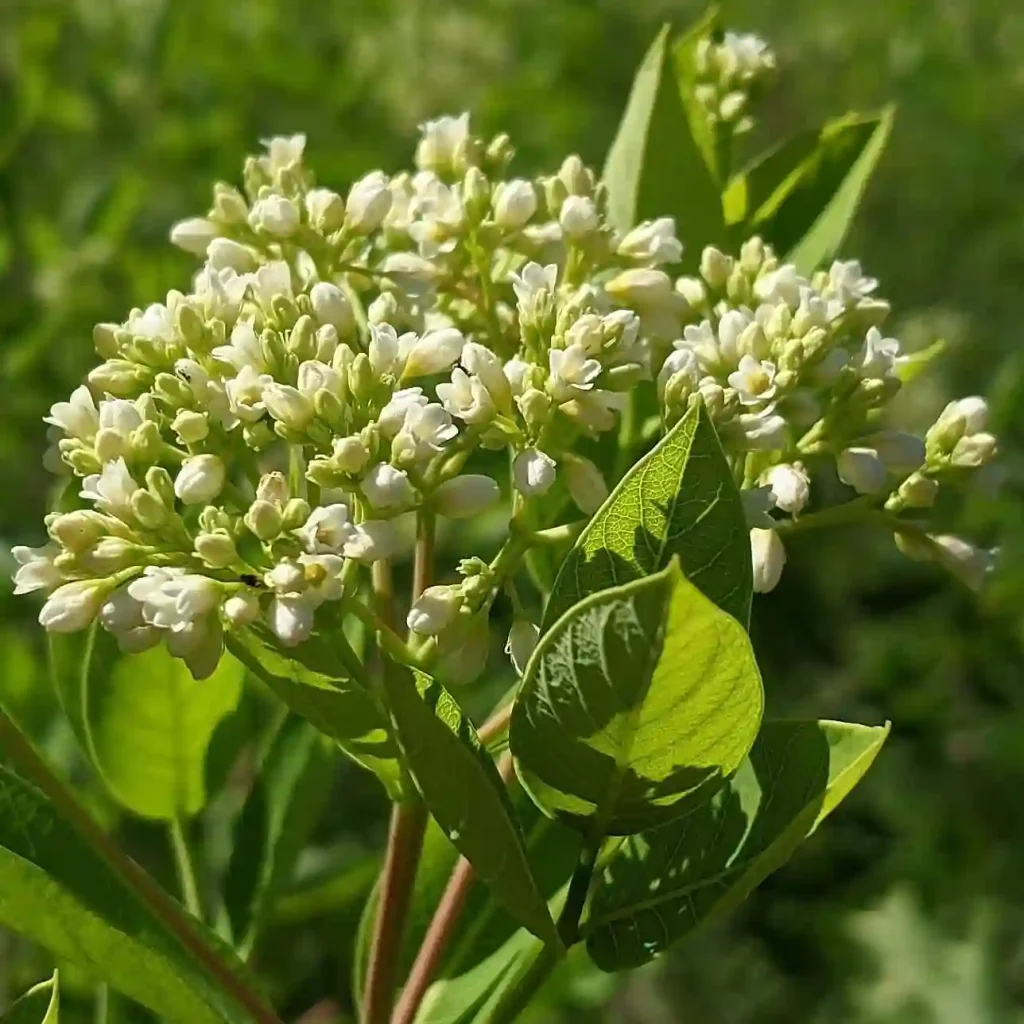
Ligustrum Japonicum, commonly known as Japanese Privet, is an evergreen shrub native to Japan and Korea. It’s known for its glossy, dark green leaves and dense growth, making it ideal for hedges or privacy screens. I love how its leaves stay vibrant throughout the year, and it also produces small white flowers in late spring followed by dark berries in fall.
How to Plant Ligustrum Japonicum?
This is one of the questions I hear most often. The key to successfully planting Ligustrum Japonicum is choosing the right spot and preparing the soil well. Here’s what I do:
- Location: I pick a spot with full sun to partial shade. Ligustrum Japonicum adapts well but thrives with at least 4-6 hours of sunlight daily.
- Soil: The soil should be well-drained but can be sandy or clay. I add organic compost to improve fertility and drainage.
- Planting Depth: I dig a hole twice as wide and just as deep as the root ball. Plant it at the same depth it was growing in the pot.
- Watering: Right after planting, I water deeply to help the roots settle. In the first few months, I keep the soil consistently moist but not soggy.
- Spacing: If you’re planting a hedge, I space the shrubs about 3 to 5 feet apart. This spacing lets them grow into a dense screen without overcrowding.
Following these steps helped me establish a healthy, vigorous Ligustrum Japonicum hedge that requires minimal maintenance once settled.
Ligustrum Japonicum vs Texanum — What’s the Difference?
Many gardeners ask me how Ligustrum Japonicum compares with Ligustrum Texanum, which is native to the southern United States. I’ve grown both, and here’s what I noticed:
- Leaf Size and Texture: Ligustrum Texanum tends to have smaller, thinner leaves compared to the larger, thicker, and glossier leaves of Ligustrum Japonicum. The latter feels more robust and looks shinier.
- Cold Tolerance: Ligustrum Texanum is better adapted to hotter and drier climates, while Ligustrum Japonicum tolerates cooler temperatures a bit better, making it suitable for zones 7-10.
- Growth Habit: Ligustrum Japonicum usually grows faster and denser, which I prefer for privacy hedges. Texanum can be more open and less uniform.
- Maintenance: Both are relatively low-maintenance, but Japonicum responds better to pruning and shaping.
Knowing these differences helps me choose the right Ligustrum for my specific landscape needs. If you want a dense, glossy hedge, Ligustrum Japonicum is my go-to.
How Do I Maintain Ligustrum Japonicum?
Once established, Ligustrum Japonicum is quite forgiving. However, I stick to a few simple care tips:
- Pruning: I prune once or twice a year to maintain shape and encourage bushier growth. Early spring before new growth starts is the best time.
- Watering: During dry spells, I water deeply every 1-2 weeks.
- Fertilizing: I use a balanced slow-release fertilizer in early spring to promote healthy foliage.
- Pests: Occasionally, I watch out for aphids or scale insects. Regular inspection and insecticidal soap usually keep these pests under control.
Can Ligustrum Japonicum Become Invasive?
This is a concern I’ve heard from others. Ligustrum Japonicum can spread by seed in some regions, especially where the climate is ideal. However, in my experience, it’s manageable if you maintain your plants properly and deadhead flowers if you want to limit seeding.
What Are Good Uses for Ligustrum Japonicum?
I’ve found Ligustrum Japonicum extremely versatile:
- Hedges and Screens: Its dense growth makes it perfect for privacy.
- Foundation Planting: It’s tidy and evergreen, enhancing the foundation of homes or buildings.
- Specimen Plant: With its glossy leaves and white flowers, it stands out as a focal point.
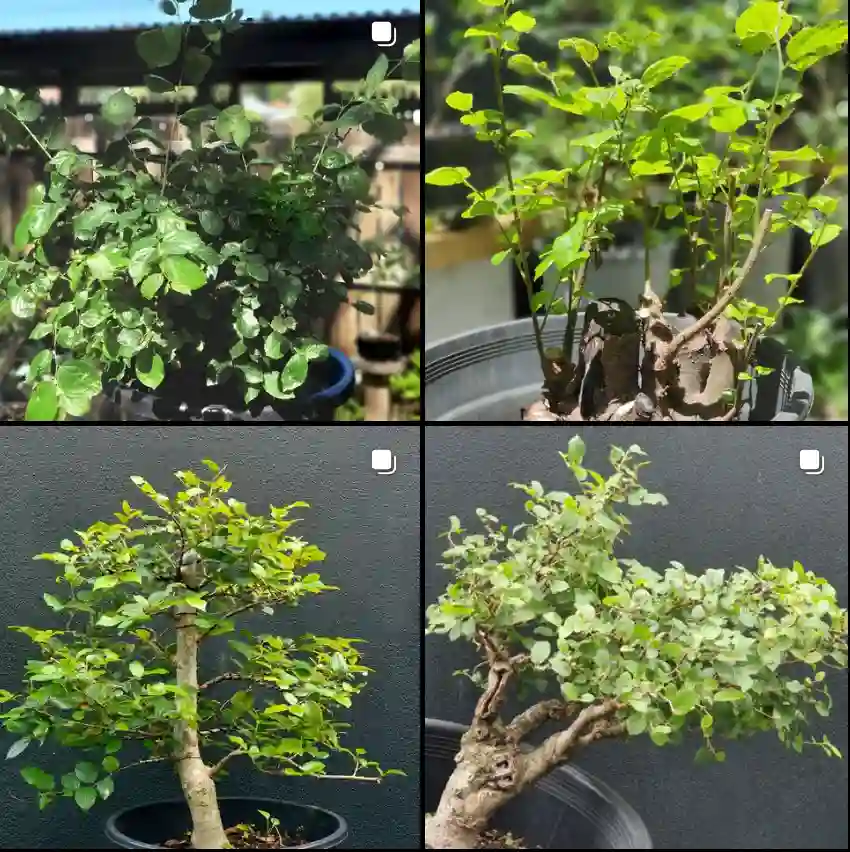
- Containers: I’ve also grown it in large containers with good success.
Summary
I hope sharing these FAQs about Ligustrum Japonicum helps you understand this shrub better. If you’re wondering how to plant Ligustrum Japonicum or debating between Ligustrum Japonicum vs Texanum, my experience shows Japonicum is generally the more vigorous, glossy, and versatile choice. It’s easy to grow, low-maintenance, and adapts well to a range of climates and soils.

If i die, water my plants!