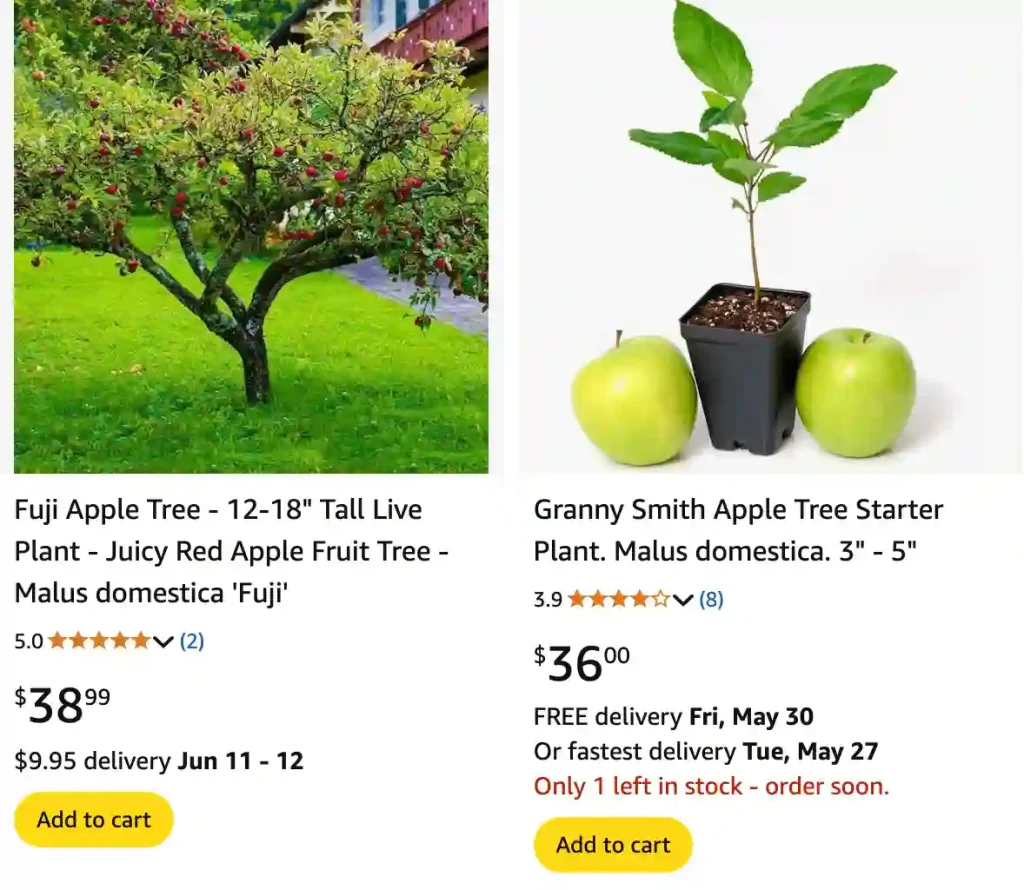
Hey everyone, Ferb Vu here! I’ve been getting a lot of questions lately about a certain fascinating plant, and I figured it was time to clear the air. We’re talking about Malus Domestica, a name that might sound fancy, but trust me, you know it. It’s a superstar in our everyday lives, and for good reason! So, let’s dive into some of the most frequently asked questions about this incredible species.
What is Malus Domestica?
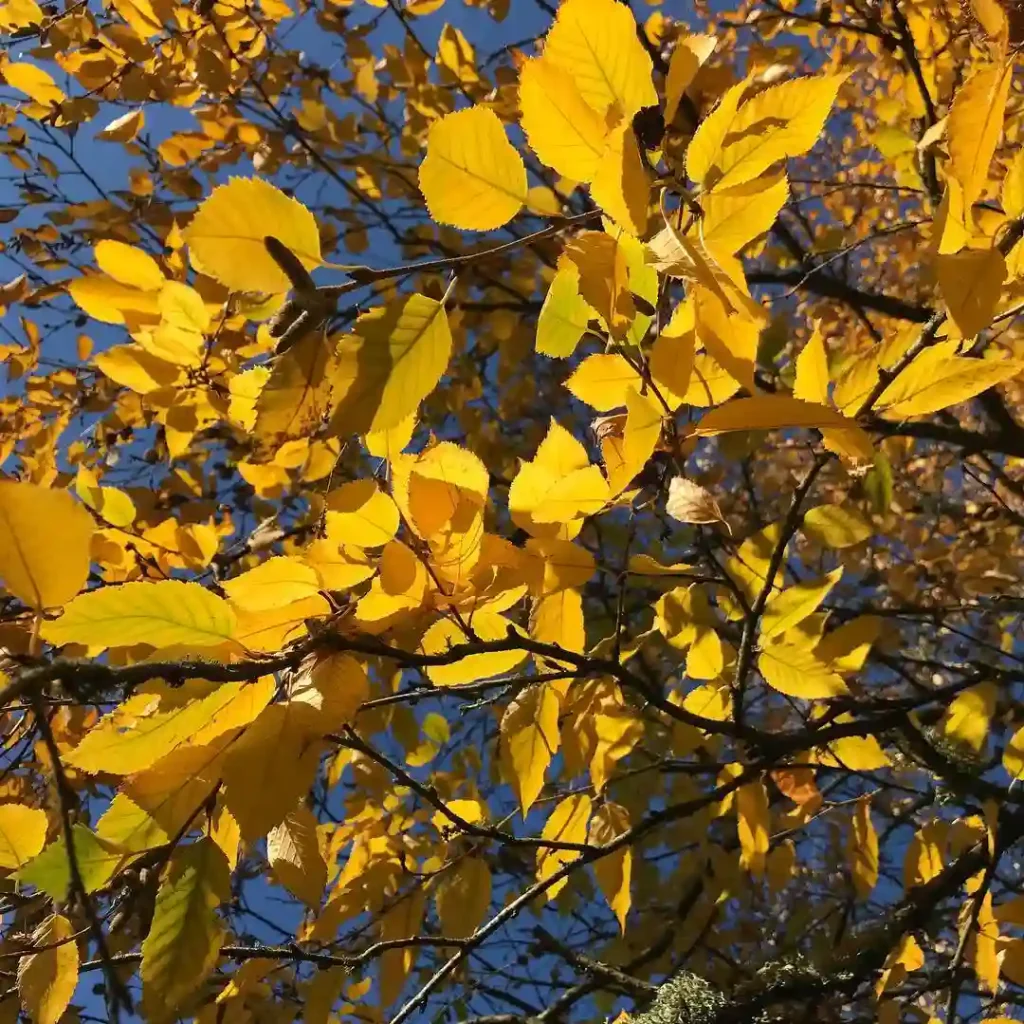
So, what exactly is Malus Domestica? Simply put, it’s the common apple tree. Yes, that’s right! The apple, one of the most widely cultivated and consumed fruits globally, comes from the Malus Domestica tree. This species belongs to the rose family, Rosaceae, and is native to Central Asia. Over centuries, it has spread worldwide, adapting to diverse climates and evolving into thousands of different cultivars, each with unique flavors, textures, and appearances.
From the crisp Gala to the tart Granny Smith, all those delicious apples you enjoy originate from this single species. Its widespread cultivation speaks volumes about its adaptability and the universal appeal of its fruit. We use apples for eating fresh, baking pies, making cider, and even in savory dishes. The apple tree itself is a beautiful plant, boasting lovely blossoms in spring and providing shade and, of course, fruit in the fall.
Is Malus Domestica Self-Pollinating?
This is a big one, especially for anyone looking to grow their own apples. Is Malus Domestica self-pollinating? Generally, no. Most Malus Domestica cultivars are not self-fertile. This means they require cross-pollination from a different apple variety to produce fruit. Think of it like a matchmaking service for apple trees; they need a partner from a different family line to start a new generation of apples.
Bees and other insects play a crucial role in this process, transferring pollen from one apple tree to another. If you’re planning an orchard, you’ll need to plant at least two different compatible apple varieties that bloom at the same time. Some cultivars are good pollinators for a wide range of other varieties, while others are more particular. Without proper cross-pollination, you might see beautiful blossoms but very little fruit. There are a few exceptions, some triploid varieties, for instance, might be less reliable pollinators for other trees, while some rare cultivars exhibit a degree of self-fertility, but these are not the norm.
What is Malus Domestica Fruit Cell Culture Extract?
Now, this question takes us into the exciting world of biotechnology and skincare! What is Malus Domestica fruit cell culture extract? It’s a fascinating ingredient derived from the stem cells of specific apple varieties, often the Uttwiler Spätlauber, a rare Swiss apple known for its exceptional longevity and ability to stay fresh for extended periods.
Scientists cultivate these apple stem cells in a laboratory setting, creating a concentrated extract rich in beneficial compounds. This extract is increasingly popular in the cosmetic industry. Proponents claim it offers anti-aging properties, helping to protect skin cells from damage, reduce the appearance of wrinkles, and promote skin regeneration. The idea is that the long-lived nature of these apple stem cells translates into benefits for human skin, promoting cellular vitality and resilience. It’s a prime example of how we’re finding new, innovative uses for natural resources like the apple.
Malus Domestica vs. Malus Pumila
This is where things can get a little botanically technical, but it’s important for understanding the apple’s lineage. Malus Domestica vs. Malus Pumila – what’s the difference? For a long time, Malus Pumila was considered a primary ancestor of the cultivated apple, Malus Domestica. Malus Pumila, also known as the paradise apple, is a wild apple species native to Central Asia, specifically the Tian Shan mountains.
However, recent genetic studies suggest a more complex ancestry for Malus Domestica. While Malus Pumila undoubtedly contributed to the domesticated apple’s gene pool, research indicates that Malus Domestica is likely a hybrid of several wild apple species, with Malus Sieversii being the predominant wild ancestor. Malus Sieversii is another wild apple species from Central Asia, recognized for its larger fruit size compared to Malus Pumila.
So, while Malus Pumila is a close relative and was historically considered a major player in the apple’s evolution, the current scientific consensus points to Malus Sieversii as the primary forefather of our modern apple. It highlights the intricate genetic journey our beloved apple has taken over millennia.
Why Are There So Many Apple Varieties?
You might wonder, with just one species, Malus Domestica, how do we get thousands of distinct apple varieties? The answer lies in genetics and human intervention. Apples are highly heterozygous, meaning they don’t breed true from seed. If you plant a seed from a Gala apple, you won’t get another Gala tree. You’ll get a new, unique apple variety with its own set of characteristics. This genetic variability is a natural source of new types.
Horticulturists have also actively engaged in selective breeding for centuries. By cross-pollinating specific apple varieties with desirable traits, they have developed new cultivars with improved flavor, disease resistance, storage capabilities, and appearance. Grafting, a propagation technique where a scion (a young shoot) of a desired apple variety is joined to the rootstock of another apple tree, allows us to maintain and reproduce these specific varieties consistently. This combination of natural genetic diversity and intentional breeding has given us the incredible array of apples we enjoy today.
I hope this deep dive into Malus Domestica has been informative and helped answer some of your burning questions. It’s truly a remarkable species, providing us with not just delicious fruit, but also fascinating insights into botany, genetics, and even skincare! Keep those questions coming, and I’ll do my best to provide the answers.

If i die, water my plants!