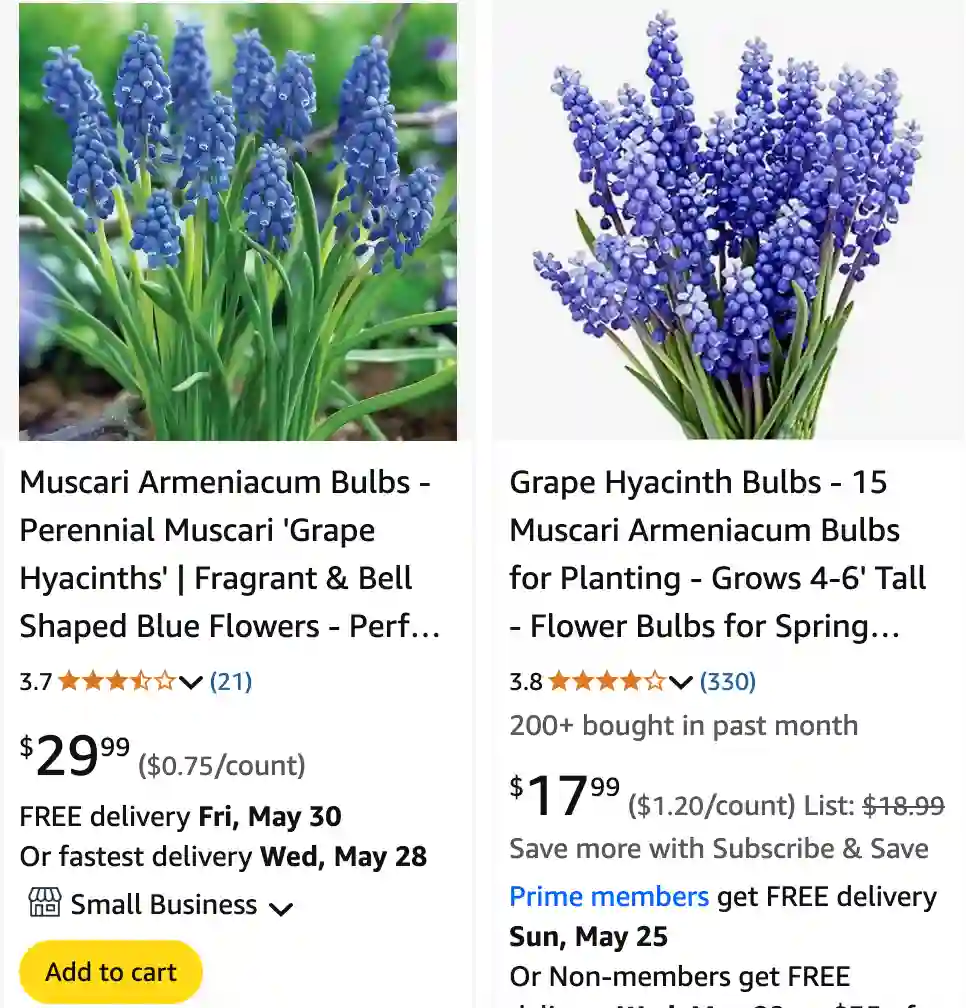
Alright, everyone! Ferb Vu here, and today we’re diving into the wonderful world of Muscari Armeniacum. You know, those delightful little grape hyacinths that pop up and add a splash of blue to our spring gardens? They’re often overlooked, but they’re truly fantastic. I get a lot of questions about these charming plants, so I thought I’d put together a handy FAQ. Let’s get started!
First off, one of the most common questions I hear is, how to plant Muscari Armeniacum? It’s really quite straightforward. These little beauties are bulbs, and like most bulbs, they’re not fussy. The key is to plant them in the right season, which brings me to my next point.
When to Plant Muscari Armeniacum Bulbs?
This is crucial for success. You want to plant your Muscari Armeniacum bulbs in the autumn. Think late September through November, before the ground freezes solid. This gives them ample time to establish roots before winter sets in. If you plant them too late, they might not have enough time to get settled, and you’ll miss out on those glorious spring blooms. The earlier in the autumn, the better, generally. I aim for October myself.
How to Plant Muscari Armeniacum Bulbs?
Once you have the timing down, the actual planting is simple. Dig a hole about 3-4 inches deep. You want to plant the bulbs with the pointy side facing up. If you’re unsure which side is up, don’t worry too much; the plant will usually figure it out, but it might take a bit more effort. Space them about 2-3 inches apart. I like to plant them in clusters for a more natural, drift-like effect. They look particularly stunning spilling over the edge of a path or under deciduous trees. After placing the bulbs, backfill with soil and lightly tamp it down. Water them in well to settle the soil around the bulbs. They thrive in well-draining soil, so avoid areas where water tends to sit. Full sun to partial shade works best for them. They’re quite adaptable, which is one of their many virtues.
Is Muscari Armeniacum Edible?
This is a question that pops up surprisingly often! And the answer, unequivocally, is no. While many spring plants are edible, Muscari Armeniacum is not one of them. In fact, it’s generally considered to be mildly toxic if ingested. So, admire their beauty, but please keep them out of your culinary experiments! Stick to more traditional edibles for your spring foraging. Always err on the side of caution when it comes to consuming plants from your garden unless you are absolutely certain of their edibility.
Do Muscari Armeniacum Naturalize?
Absolutely! This is one of their most endearing qualities. Muscari Armeniacum are fantastic naturalizers. This means they’ll spread and multiply over the years, creating larger and larger patches of stunning blue. They do this by producing offsets (baby bulbs) and also by self-seeding. This makes them ideal for a low-maintenance garden. I have a patch that started with just a few bulbs, and now it’s a sea of blue every spring. It’s a joy to behold. You can divide them every few years if they become too crowded, but I generally let them do their thing.
What are the Best Companions for Muscari Armeniacum?
These charming little bulbs look fantastic with other spring-flowering plants. I love pairing them with yellow daffodils or early-blooming tulips for a striking color contrast. Their delicate blue also complements pink or white hyacinths beautifully. For a naturalistic look, plant them alongside scilla or chionodoxa. They also look lovely under deciduous trees and shrubs, where they can enjoy the early spring sun before the tree canopy fills in. Think about adding them to rock gardens or borders.
Do Muscari Armeniacum Need Special Care After Flowering?
After the blooms fade, let the foliage die back naturally. This is essential for the bulbs to store energy for next year’s flowers. Resist the urge to cut off the leaves too early; they’re still photosynthesizing and feeding the bulb. Once the leaves have turned yellow and withered, you can remove them. They are generally pest and disease resistant, which is another point in their favor. A little compost around them in the autumn will do them good, but it’s not strictly necessary.
So there you have it, a quick dive into the world of Muscari Armeniacum from my perspective. They are truly one of the easiest and most rewarding spring bulbs you can plant. Their vibrant blue color, naturalizing habit, and low-maintenance nature make them a must-have for any garden. Give them a try this autumn, and I promise you won’t be disappointed when spring rolls around! Happy gardening!

If i die, water my plants!