I’ve spent quite a bit of time studying and managing Oxalis Stricta in my garden, and I often get asked a handful of questions about it. This plant, sometimes called common yellow woodsorrel, can be both a fascinating wildflower and a frustrating weed. Here, I want to share some of the most frequently asked questions about Oxalis Stricta, based on my own experience and research.
What is Oxalis Stricta?
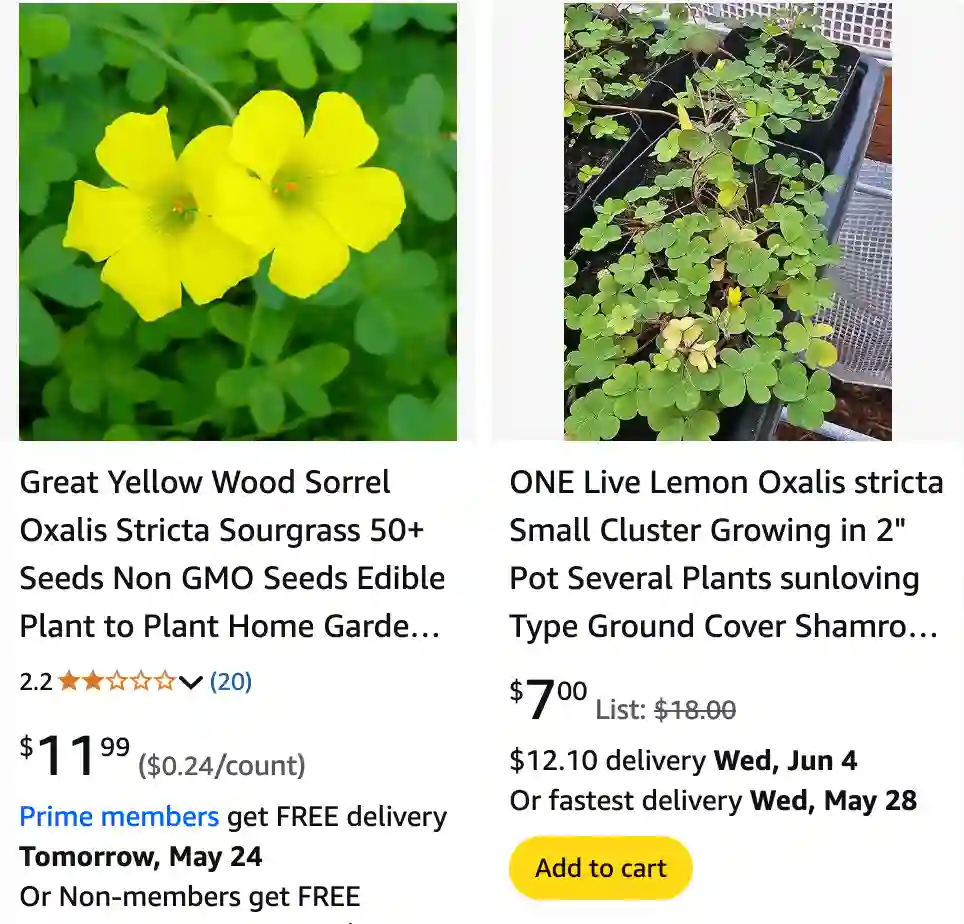
Oxalis Stricta is a fast-growing perennial plant native to North America. It’s recognizable by its trifoliate leaves—each leaf looks like a tiny clover—and bright yellow, five-petaled flowers. While some people appreciate it for its small, cheerful blossoms, others see it as a persistent weed invading lawns, gardens, and even cracks in sidewalks.
How to Get Rid of Oxalis Stricta?
One of the questions I hear most is, “Ferb, how to get rid of Oxalis Stricta?” I can relate to this struggle. Oxalis Stricta spreads quickly through underground bulbs called tubers, making it tough to eliminate.
Here’s what worked for me:
- Manual Removal: Pulling out Oxalis Stricta by hand is tricky because if any tubers remain, it will grow back. When pulling, try to dig deep and remove as many tubers as possible.
- Smothering: Covering infested areas with black plastic or mulch for several weeks can starve the plants by blocking sunlight.
- Herbicides: If you opt for chemicals, use broadleaf herbicides that target Oxalis Stricta specifically. But be cautious to protect nearby plants.
- Soil Management: Oxalis thrives in acidic, compacted soil. I improved my garden soil by aerating and adding lime to raise pH slightly, which discouraged Oxalis growth.
Persistence is key. In my experience, tackling Oxalis Stricta requires repeated efforts across growing seasons.
Is Oxalis Stricta Edible?
Yes, Oxalis Stricta is edible, and I find that interesting. Its leaves and flowers have a tangy, lemony flavor due to oxalic acid content. People often use it fresh in salads or as a garnish. However, I always advise moderation.
The oxalic acid in Oxalis can be harmful in large quantities, especially for those with kidney problems or prone to kidney stones. Cooking can reduce oxalic acid, but it doesn’t eliminate it completely. So while I enjoy adding Oxalis Stricta leaves to a salad for that citrusy punch, I make sure not to overdo it.
Oxalis Stricta vs Oxalis Corniculata — What’s the Difference?
Another common question I encounter is how to tell Oxalis Stricta apart from Oxalis Corniculata, which is also called creeping woodsorrel.
Here’s what I learned:
- Growth Habit: Oxalis Stricta tends to grow more upright, hence the name “stricta,” while Oxalis Corniculata is low-growing and spreads horizontally.
- Leaves: Both have trifoliate leaves, but Oxalis Corniculata’s leaflets often appear more rounded and can sometimes have a purplish tint.
- Flowers: Both have yellow flowers, but Oxalis Corniculata’s petals are usually narrower and more delicate.
- Tubers: Oxalis Corniculata also produces underground tubers, making it just as difficult to control as Oxalis Stricta.
In my experience, these subtle differences help me identify which species I’m dealing with so I can choose the right removal method.
Can Oxalis Stricta Be Beneficial?
I admit, it’s not all bad news. Oxalis Stricta can provide ground cover to prevent soil erosion and offers nectar for pollinators like bees and butterflies. It’s also used in some traditional herbal remedies, though I approach these with caution since its oxalic acid content can be toxic in large amounts.
Does Oxalis Stricta Invade Lawns?
Yes, this plant can invade lawns, and I’ve had firsthand experience with it creeping between grass blades. It often thrives in thin, bare patches where grass is weak. Aerating, overseeding, and proper fertilization can help lawns outcompete Oxalis Stricta.
How Does Oxalis Stricta Spread?
Oxalis Stricta spreads through seeds and underground tubers. The seeds can disperse by touch or animals, and the tubers regrow each season. This dual method of reproduction means controlling it requires removing both seeds and tubers.
What Are Some Natural Controls for Oxalis Stricta?
I prefer natural methods where possible. Some organic gardeners use vinegar-based sprays to weaken Oxalis Stricta. While vinegar won’t kill the tubers, it can slow down leaf growth. Applying corn gluten meal as a pre-emergent can also reduce seed germination, but again, tubers remain a challenge.
Final Thoughts
If you’re battling Oxalis Stricta like I have, remember that it’s a persistent plant, but not impossible to manage. A combination of manual removal, soil care, and sometimes selective herbicides usually works best. Also, keep in mind that this plant is edible but should be consumed carefully due to oxalic acid.
Understanding the differences between Oxalis Stricta and Oxalis Corniculata will help you target your approach better. And, if you’re feeling adventurous, you might even enjoy a bit of its tart flavor in your salad — just don’t go overboard!

If i die, water my plants!