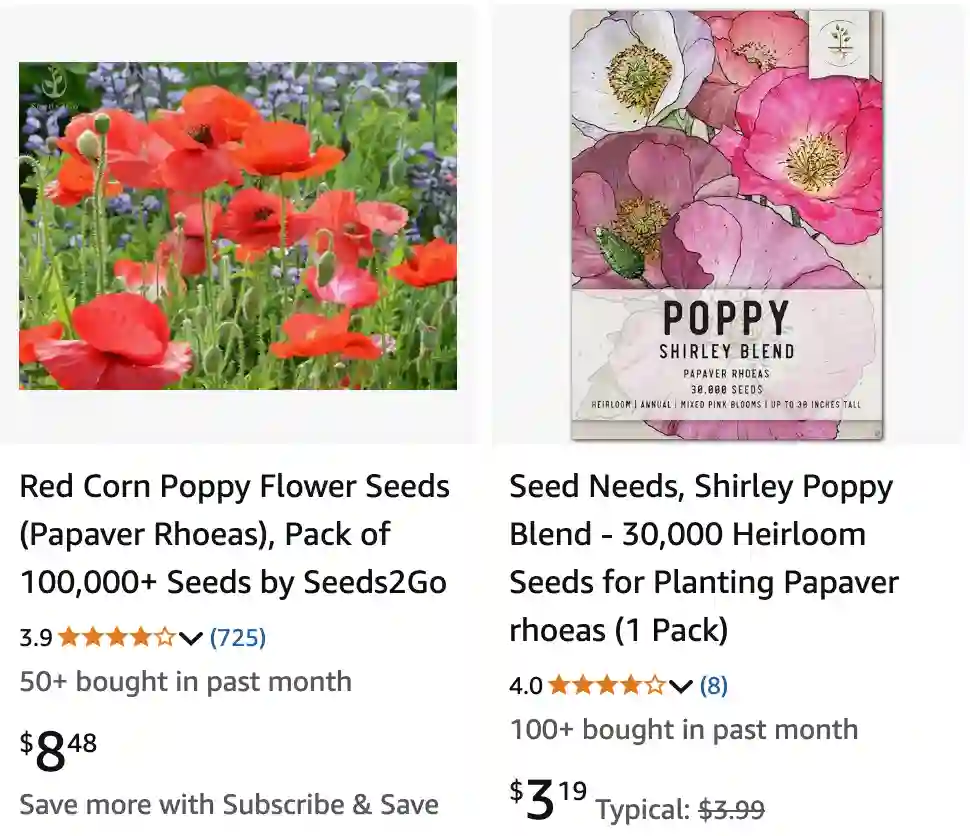
Over the years, Papaver Rhoeas has captured my attention as one of the most charming and iconic wildflowers. Also known as the common poppy or corn poppy, it’s a symbol of remembrance but also a delight to gardeners. Along the way, I’ve gathered answers to many questions that pop up when people learn about this delicate yet resilient flower. Here’s my take on the FAQs about Papaver Rhoeas.
How to Grow Papaver Rhoeas?
This is probably the most frequent question I get: how to grow Papaver Rhoeas successfully. The good news is that this flower is surprisingly easy to grow if you mimic its natural environment. It thrives in full sun and prefers well-drained, moderately fertile soil. I learned early on that Papaver Rhoeas doesn’t like overly rich soil or too much water, so avoid heavy fertilization and soggy ground.
Sowing the seeds directly outdoors in early spring or fall works best. These flowers bloom best when they have a cold period before germinating, so I usually sow in fall to let nature handle the rest. The seeds need light to germinate, so I scatter them on the surface and gently press them into the soil without covering too deeply.
How to Grow Papaver Rhoeas from Seed?
This question is closely linked to the first, but it deserves special attention: how to grow Papaver Rhoeas from seed. Starting from seed is the easiest and most reliable way to cultivate this wildflower.
From my experience, the seeds are tiny and fragile, so handling them gently is key. After sowing outdoors, keep the area moist but not waterlogged. Germination usually happens within two weeks if conditions are right. Once the seedlings emerge, thin them out to give each plant enough space—about 6 to 8 inches apart.
I found that transplanting Papaver Rhoeas seedlings isn’t very successful due to their delicate taproot. It’s best to sow directly where you want them to grow.
Does Papaver Rhoeas Contain Opium?
One question I always answer carefully is: does Papaver Rhoeas contain opium? It’s important to distinguish Papaver Rhoeas from its infamous cousin, Papaver Somniferum (the opium poppy).
Papaver Rhoeas contains only trace amounts of alkaloids and is not used for opium production. Its primary value is ornamental and symbolic, not medicinal or narcotic. In contrast, Papaver Somniferum is the species cultivated for opium and poppy seeds used in cooking.
Understanding this difference is crucial for anyone curious about growing poppies responsibly.
Papaver Rhoeas vs Somniferum: What Are the Differences?
People often ask me about Papaver Rhoeas vs Somniferum, since they look similar at a glance but serve very different purposes.
- Appearance: Papaver Rhoeas flowers have bright scarlet petals with a dark black or purple spot at the base. Papaver Somniferum flowers come in a wider color range, from white and pink to purple, and lack the distinctive black spot.
- Use: Rhoeas is mainly ornamental and symbolic, while Somniferum is cultivated for its seeds and alkaloids.
- Growth: Somniferum generally grows taller and has larger seed pods, while Rhoeas tends to be shorter and more delicate.
- Legal Status: Growing Somniferum is regulated or illegal in many countries due to its opium content, while Rhoeas is unrestricted and safe for gardens.
I’ve grown both species in separate garden areas for comparison, and I can confirm they have distinct appearances and cultivation needs.
What Is the Symbolism Behind Papaver Rhoeas?
One thing that fascinates me about Papaver Rhoeas is its rich symbolism. This flower is internationally recognized as a symbol of remembrance for soldiers who died in war, especially World War I. The sight of bright red poppies blooming on battlefields inspired this association.
Beyond remembrance, Papaver Rhoeas also represents resilience and renewal. Its ability to thrive in disturbed soils speaks to nature’s persistence.
Are There Common Pests or Diseases Affecting Papaver Rhoeas?
From my experience, Papaver Rhoeas is relatively pest-resistant. However, slugs and aphids can occasionally cause problems. Good garden hygiene and natural predators help keep these pests in check.
Fungal diseases like powdery mildew can sometimes appear in humid conditions, but I’ve found that proper spacing and airflow prevent this.
Can Papaver Rhoeas Be Used in Culinary or Medicinal Applications?
Unlike Papaver Somniferum, Papaver Rhoeas doesn’t have culinary or medicinal uses. Its seeds are tiny and not typically harvested. Its role remains mostly ornamental and symbolic. If you’re looking for poppies to use in cooking, the opium poppy is the species to explore, with care about legality and safety.
How Long Does Papaver Rhoeas Bloom?
Papaver Rhoeas has a relatively short bloom period, usually from late spring to early summer. The flowers last only a few days each, but the plant produces many blooms over time, extending the flowering season.
I enjoy planting Papaver Rhoeas in drifts to create a vivid splash of red during the growing season. They self-seed readily, so you often get surprise new blooms the following year.
Final Thoughts
Papaver Rhoeas is a beautiful wildflower with rich cultural significance and simple growing requirements. If you want to try your hand at cultivating it, focus on light, well-drained soil and sow seeds outdoors directly. Always remember the difference between Papaver Rhoeas and Papaver Somniferum, especially regarding opium content and legal concerns.

If i die, water my plants!