Hi, I’m Ferb Vu. Over the years, I’ve spent a lot of time growing and observing different conifers. One of the trees that truly stands out to me is Pinus Contorta, also known as Lodgepole Pine. It’s a rugged, adaptive tree with a rich ecological role. In this FAQ-style article, I’ll walk you through everything I’ve learned—based on real hands-on experience and practical comparisons.
139 Species in Genus Pinus
What Is Pinus Contorta?
Pinus Contorta is a coniferous evergreen in the Pinaceae family. Native to western North America, it thrives in montane and subalpine zones. The tree gets its name from the twisted, contorted shape of its needles and branches—especially in coastal varieties. This tree is fast-growing, tough, and often seen after wildfires due to its serotinous cones—cones that only release seeds under extreme heat.
There are four recognized subspecies:
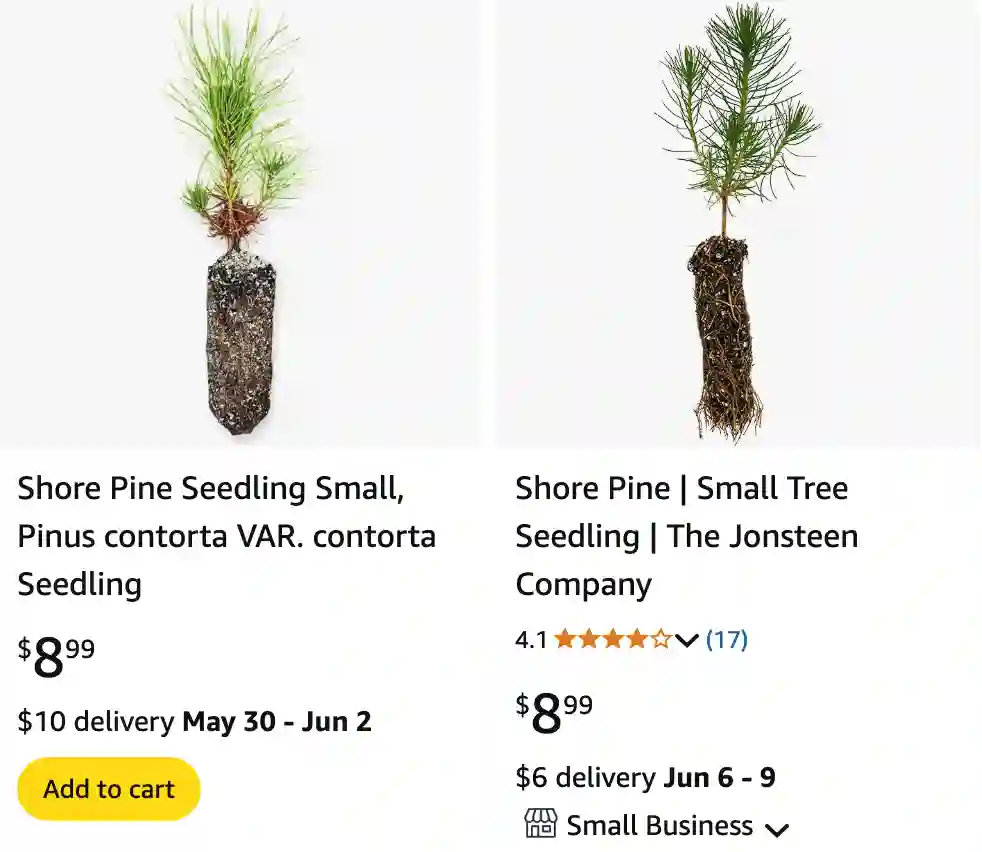
- P. contorta var. contorta – Shore Pine (coastal)
- P. contorta var. latifolia – Lodgepole Pine (inland)
- P. contorta var. murrayana – Sierra Lodgepole Pine
- P. contorta var. bolanderi – Bolander Pine
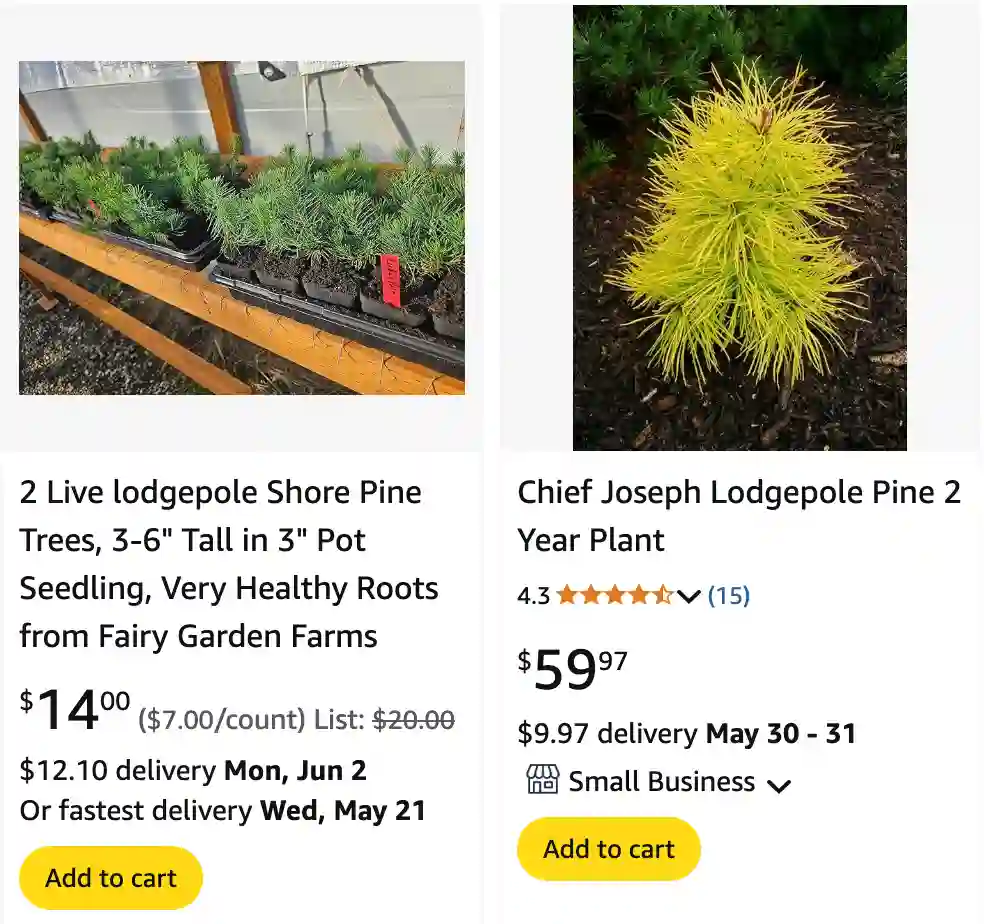
I mostly grow the latifolia type in my high-elevation plots, but I’ve worked with the shore variety too.
How Does Pinus Contorta Compare to Pinus Ponderosa?
I’ve grown both Pinus Contorta and Pinus Ponderosa, and here’s what I’ve observed:
- Height & Form: Ponderosa Pine grows taller (up to 200 feet), while Lodgepole Pine stays shorter (often under 100 feet). Ponderosa has a thick, straight trunk; Contorta can be crooked or twisted depending on the subspecies.
- Bark: Ponderosa bark smells sweet, almost like vanilla or butterscotch. Contorta bark is thinner and darker, and lacks the pleasant aroma.
- Fire Adaptation: Both species are fire-adapted, but Contorta is famous for its serotinous cones, which need fire to open. Ponderosa resists fire due to thick bark.
- Habitat: Lodgepole Pine dominates colder, wetter environments; Ponderosa prefers dry, low-elevation foothills.
If I had to plant for fire recovery or fast reforestation, I’d go with Contorta. For long-term timber or shade, Ponderosa wins.
Is Pinus Contorta a Good Choice for Urban or Residential Gardens?
In my opinion, Pinus Contorta isn’t ideal for tight urban spaces. It’s better suited for naturalistic, woodland, or large rural landscapes. Here’s why:
- It grows quickly and forms dense stands.
- Its branches are low and can be irregular.
- It requires good drainage and full sun.
- It doesn’t tolerate pollution or compacted soil well.
However, if you’re landscaping in a mountain cabin or a restoration project, especially one with poor or sandy soil, Contorta is a great pick.
What Are the Ecological Benefits of Pinus Contorta?
From what I’ve seen in the field, Pinus Contorta is a keystone species in many western ecosystems:
- Wildlife Shelter: Birds like Clark’s Nutcracker, squirrels, and even bears depend on it.
- Fire Recovery: It’s one of the first trees to recolonize burned areas.
- Soil Improvement: Its needles decompose and enrich acidic, sandy soil over time.
Its adaptability makes it invaluable in reforestation, erosion control, and climate resilience projects.
Does Pinus Contorta Have Any Pests or Diseases?
Yes, it does—and I’ve dealt with a few headaches. Some notable threats include:
- Mountain Pine Beetle (Dendroctonus ponderosae): This pest has devastated vast Lodgepole forests.
- Dwarf Mistletoe: Causes witches’ brooms and weakens the canopy.
- Needle Cast and Rust Fungi: Common in humid areas, especially for shore pine.
Healthy stands spaced well apart can resist these issues better. I also recommend pruning in late winter and not planting in overly humid zones.
How Does Pinus Contorta Fare in Wind or Snow?
Contorta has a mixed track record. In my snowy zones:
- Latifolia handles snow well due to narrow crowns.
- Contorta var. contorta (shore pine) struggles with heavy wet snow and wind.
- Roots are shallow in wet soils, making it prone to blowdowns if not windfirm.
If you need wind resistance, plant it in groups and avoid overly saturated ground.
Can You Grow Pinus Contorta from Seed?
Yes—and I’ve done it multiple times. Here’s my quick method:
- Collect mature cones from the tree or ground.
- Simulate fire by heating cones gently (in an oven at 200°F for 15–20 minutes).
- Extract and stratify seeds in moist sand in the fridge for 4–6 weeks.
- Plant in gritty soil under full sun. Germination is usually high if you prep well.
This makes it a fun DIY project and teaches a lot about fire ecology.
What Trees Pair Well with Pinus Contorta?
From my experience, good companion species include:
- Betula Papyrifera (Paper Birch)
- Picea Engelmannii (Engelmann Spruce)
- Vaccinium spp. (Huckleberry)
- Ceanothus Velutinus (Tobacco Brush)
These native plants thrive under similar conditions—cool summers, lean soil, and sun.
Final Thoughts
Pinus Contorta may not win any beauty contests, but it’s a workhorse tree. It’s ideal for restoration, fire recovery, and tough, cold landscapes. It has deep ecological value and historic significance to both Native American communities and modern forestry.

If i die, water my plants!