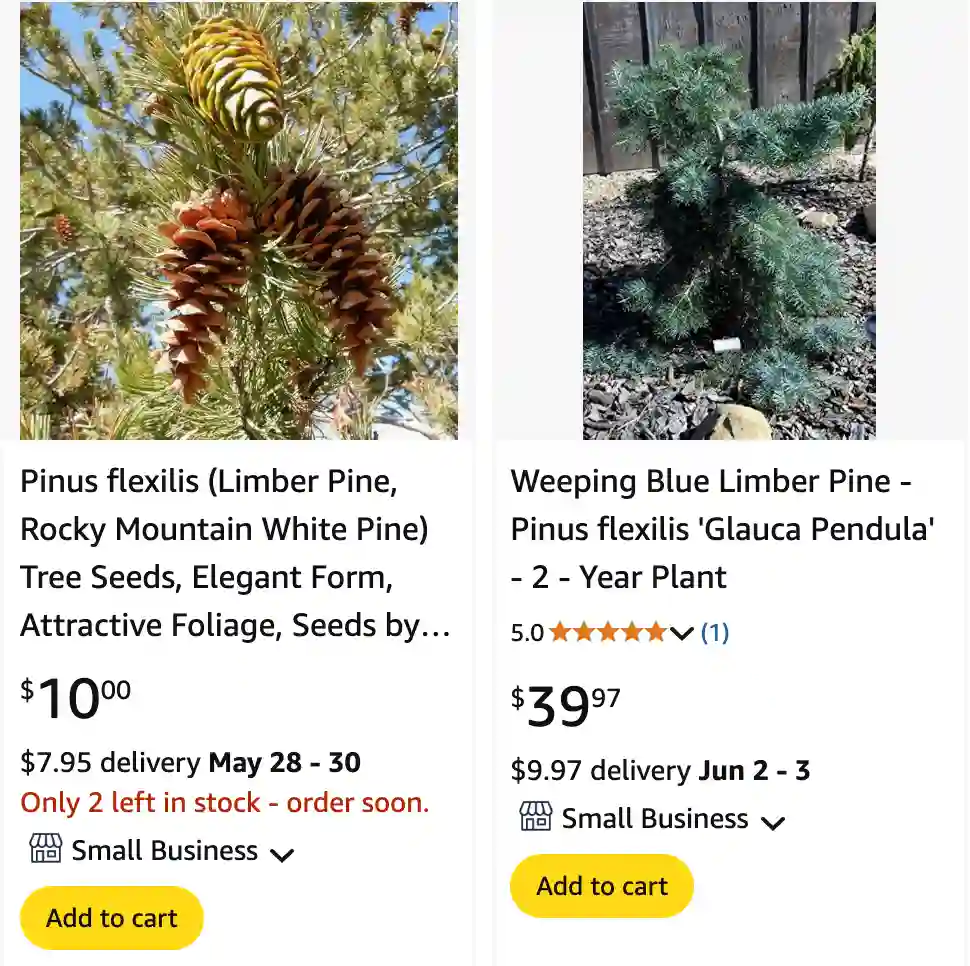
Hi, I’m Ferb Vu, and I’ve spent quite some time learning about Pinus Flexilis, commonly called Limber Pine. This tree has caught my attention because of its resilience, unique appearance, and ecological importance. In this FAQ article, I’ll answer the most common questions about Pinus Flexilis, share personal insights, and even compare it with other pines to help you understand why it’s so special.
What Is Pinus Flexilis?
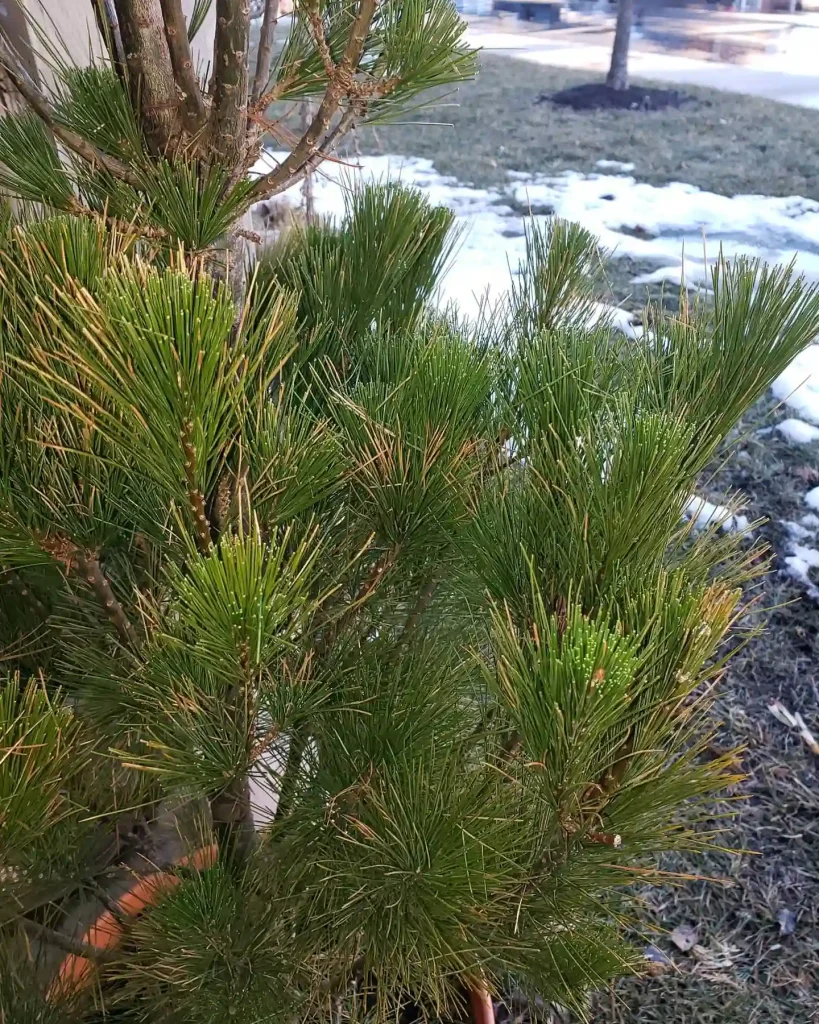
Pinus Flexilis is a species of pine native to the mountainous regions of western North America. It’s known as Limber Pine because of its flexible branches that can bend without breaking, even under heavy snow or wind. This tree usually grows between 20 and 40 feet tall, but in some cases, it can reach heights of up to 80 feet. Its needles are soft, slender, and typically grouped in bundles of five, which distinguishes it from many other pines.
What fascinates me is how adaptable this tree is. It thrives at high elevations where many other trees struggle. It can handle rocky soils, cold winters, and drought conditions better than most.
How Does Pinus Flexilis Differ From Other Pines?
I often get asked how Limber Pine compares to other pines like Pinus Strobus (Eastern White Pine) or Pinus Contorta (Lodgepole Pine). Here’s what I found:
- Pinus Flexilis vs. Pinus Strobus: The Eastern White Pine has longer, softer needles in bundles of five as well, but it prefers lower elevations and more fertile soils. Limber Pine’s needles tend to be a bit shorter and stiffer. Also, the Eastern White Pine grows faster and taller in ideal conditions but doesn’t tolerate harsh mountain environments as well as Limber Pine.
- Pinus Flexilis vs. Pinus Contorta: Lodgepole Pine has two needles per bundle and tends to grow densely in stands. It’s great for wildfire recovery due to its serotinous cones. Limber Pine cones, on the other hand, open at maturity without fire, and the tree often grows as solitary or scattered individuals in rocky, exposed areas.
From my experience observing these trees, Limber Pine stands out for its tenacity and ability to survive tough mountain conditions where others fade.
What Are the Ecological Benefits of Pinus Flexilis?
One of the reasons I respect Pinus Flexilis is its vital role in mountain ecosystems. The seeds of Limber Pine are a key food source for wildlife, especially the Clark’s Nutcracker bird. These birds harvest and cache the seeds, which helps disperse the trees across the landscape. This mutualistic relationship fascinates me because it shows how interconnected species are in nature.
Additionally, Limber Pine helps stabilize soil on steep slopes, preventing erosion. It provides shelter for many mountain animals, including deer and small mammals. Its presence supports biodiversity in alpine environments, which are otherwise fragile and harsh.
Can Pinus Flexilis Be Grown in My Garden?
If you live in a region with cool summers and cold winters, you might consider growing Limber Pine. I’ve found that it prefers well-drained, rocky, or sandy soil and plenty of sunlight. It’s not a tree for tropical or humid climates, but if you have the right conditions, it can be a unique and attractive addition to your landscape.
Just remember, it grows slowly and can take many years to reach maturity. It’s best suited for gardeners who appreciate patience and want to contribute to conserving native mountain flora.
How Do I Care for Pinus Flexilis?
Caring for Limber Pine is relatively straightforward if you replicate its natural environment:
- Water: It is drought-tolerant, so it doesn’t need frequent watering once established. Overwatering can harm it.
- Soil: Prefers acidic to neutral, well-drained soil. Rocky or sandy soil is ideal.
- Light: Full sun exposure is best.
- Pruning: Minimal pruning is needed. Remove dead or damaged branches to maintain health.
- Pests: Watch out for pine beetles and fungal infections, especially in stressed trees.
I like to check my trees regularly, especially in spring, to spot any early signs of distress.
What Threats Does Pinus Flexilis Face?
Unfortunately, Limber Pine populations have been declining in some areas due to pests and diseases. The most significant threat is the white pine blister rust, a fungal disease that weakens and kills infected trees. Another threat comes from mountain pine beetles, which can devastate weakened populations.
From what I’ve read and seen firsthand, conservation efforts are crucial. These include breeding resistant trees and protecting healthy populations to maintain the species in the wild.
How Does Pinus Flexilis Fit Into Reforestation Efforts?
Because of its toughness and adaptability, Limber Pine is often included in reforestation projects, especially in high-altitude or degraded mountain areas. Its ability to grow in poor soil and withstand harsh weather makes it a valuable species for restoring ecosystems.
I find it inspiring that by planting Limber Pine, we can help rebuild natural habitats and support wildlife that depends on these trees.
Is Pinus Flexilis Useful Beyond Ecology?
Beyond its ecological value, Limber Pine wood is moderately strong and has been used historically for fence posts, poles, and fuel. However, it’s not a primary timber source due to its slower growth.
Also, the seeds (pine nuts) are edible and were traditionally harvested by indigenous peoples. While not commercially significant today, they remain an interesting aspect of the tree’s cultural importance.
Can Pinus Flexilis Be Used for Landscaping or Ornamental Purposes?
Yes! I’ve seen Limber Pine used in mountain gardens and naturalistic landscapes. Its irregular, picturesque form and soft blue-green needles make it attractive. It works well as a specimen tree or in rock gardens.
However, keep in mind it’s slow-growing and prefers specific conditions. It’s best for gardeners who want something unique and are patient with the pace of growth.
Summary: Why I Appreciate Pinus Flexilis
To me, Pinus Flexilis is a symbol of resilience and adaptation. It thrives where many plants fail, supports wildlife, and contributes to the beauty of mountain ecosystems. Whether you’re a gardener, conservationist, or nature enthusiast, it’s worth knowing about this remarkable pine.

If i die, water my plants!