Hi, I’m Ferb Vu. I’ve spent quite some time growing and learning about Prunus Tomentosa, also known as the Nanking Cherry. In this FAQ, I’ll share my personal experience and insights on this fascinating plant, its care, and how it compares to other fruiting shrubs. I want this to be clear, concise, and practical for anyone curious about adding Prunus Tomentosa to their garden.
What Is Prunus Tomentosa?
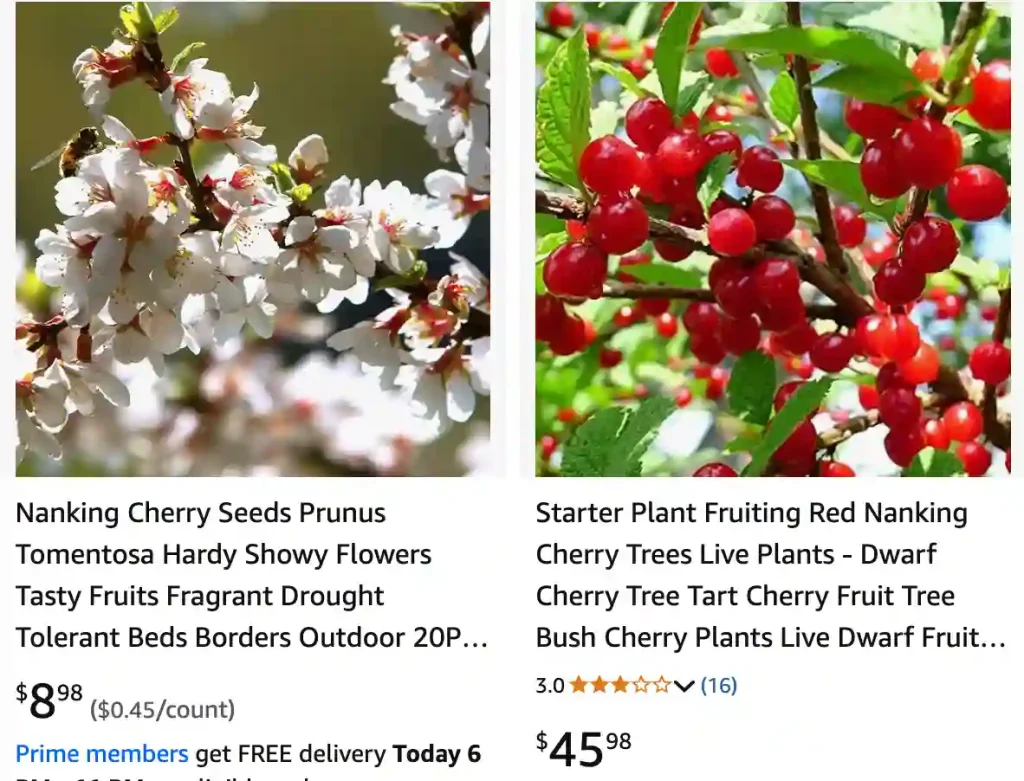
Prunus Tomentosa, or Nanking Cherry, is a deciduous shrub native to China and parts of Asia. It’s known for its small, tart, edible red fruits and pretty white blossoms that appear in early spring. It grows around 6 to 10 feet tall, making it a compact choice for gardens or hedges.
I like it because it’s both ornamental and productive. The blossoms attract pollinators, and the fruit can be used fresh, in jams, or even in desserts. Plus, it’s quite hardy and adapts well to various climates.
How Do I Care for Prunus Tomentosa?
From my experience, Prunus Tomentosa is relatively low maintenance. Here are the basics:
- Sunlight: It thrives in full sun but tolerates partial shade. I’ve noticed fruit production drops a bit with too much shade.
- Soil: It prefers well-drained soil but is forgiving with different soil types, including sandy or clay soils.
- Water: Regular watering during dry spells helps, especially in the first couple of years. It’s somewhat drought tolerant once established.
- Pruning: I prune it lightly in late winter to maintain shape and encourage airflow, which helps prevent disease.
- Fertilizing: A balanced fertilizer in early spring boosts growth but isn’t absolutely necessary.
Prunus Tomentosa also resists many common pests and diseases, though occasional aphids or fungal issues can appear. I usually manage these with natural sprays or insecticidal soap.
What Are the Best Uses for Prunus Tomentosa?
I find it’s perfect for several garden roles:
- Edible Landscaping: The tart cherries add a nice flavor contrast in recipes.
- Wildlife Gardens: Birds love the fruit, so it helps attract wildlife.
- Hedges or Borders: Its dense growth forms a natural barrier.
- Ornamental Planting: The spring flowers brighten up the garden early in the season.
Compared to larger cherry trees, this shrub is easier to handle in smaller spaces but still gives a satisfying yield of fruit.
How Does Prunus Tomentosa Compare to Other Cherry Plants?
I’ve grown Prunus Tomentosa alongside other cherry species like Prunus Avium (Sweet Cherry) and Prunus Cerasus (Sour Cherry). Here’s what I found:
- Size: Prunus Tomentosa is more compact and shrub-like. Sweet and sour cherry trees get much taller, needing more space and support.
- Fruit: Nanking Cherry fruits are smaller and more tart. Sweet cherries are larger and sugary, while sour cherries fall somewhere in between.
- Climate: Nanking Cherry is more cold-hardy and tolerates harsher climates better than some sweet cherry varieties.
- Maintenance: Prunus Tomentosa is easier to prune and less prone to disease than many cherry trees I’ve tried.
If you want a low-maintenance, space-saving cherry with ornamental value, Prunus Tomentosa is a great choice.
Can I Grow Prunus Tomentosa in Containers?
Yes! I’ve successfully grown Prunus Tomentosa in large containers. It needs:
- A big enough pot (at least 15-20 gallons).
- Well-draining soil mix.
- Regular watering, since containers dry out faster.
- Protection from extreme heat or cold.
Container growth may reduce fruit yield a bit, but it allows gardeners with limited space to enjoy this charming shrub.
What Is the Harvest Season for Prunus Tomentosa?
In my area, Prunus Tomentosa fruits ripen in late spring to early summer. The small red cherries turn bright red when ripe and have a tart, slightly sweet flavor. Harvesting is straightforward—just pick the fruit when it’s fully colored and slightly soft.
If left too long, the fruit can fall off or become overly sour, so I keep an eye on them during harvest time.
How Does Prunus Tomentosa Support Local Ecosystems?
Prunus Tomentosa is excellent for biodiversity. The spring flowers provide nectar and pollen for bees and butterflies. The fruit feeds birds, helping seed dispersal. Plus, the dense branches offer shelter for small wildlife.
This ecological role makes it a valuable addition to wildlife-friendly gardens.
Is Prunus Tomentosa Invasive?
I’ve heard concerns about invasiveness, but in my experience, it’s generally well-behaved. It can spread by suckers but not aggressively like some invasive shrubs. Proper pruning and maintenance keep it contained.
Of course, local climate and ecosystems vary. It’s wise to check regional guidelines before planting.
What Are the Common Pests and Diseases Affecting Prunus Tomentosa?
Based on my growing experience, Prunus Tomentosa is relatively disease-resistant but can occasionally face:
- Aphids: They cluster on new growth, causing leaf curling. I treat them with neem oil or insecticidal soap.
- Powdery Mildew: This fungus appears as a white powder on leaves. Good airflow and pruning reduce this risk.
- Cherry Leaf Spot: A fungal disease causing leaf spots and early leaf drop. I prune affected areas and use fungicides if needed.
Regular inspection and preventive care go a long way in keeping the shrub healthy.
How Does Prunus Tomentosa Compare to Other Fruit Shrubs Like Ribes (Currants) or Rubus (Raspberries)?
I’ve grown currants and raspberries alongside Nanking Cherry. Here’s my take:
- Fruit Flavor: Currants have a sharp tartness, raspberries a sweet-tart balance, and Nanking cherries are more intensely tart with a cherry flavor.
- Growth Habit: Raspberries spread aggressively via canes; currants form bushy shrubs like Prunus Tomentosa but differ in leaf shape and size.
- Maintenance: Nanking Cherry requires less pruning than raspberries and fewer pest problems than currants.
- Ornamental Value: Prunus Tomentosa’s spring flowers add more visual appeal compared to the more subtle blooms of currants and raspberries.
Each has its place depending on your garden goals, but Prunus Tomentosa strikes a nice balance between beauty and productivity.
Final Thoughts
I genuinely enjoy growing Prunus Tomentosa. It’s a versatile, hardy, and attractive shrub that adds flavor and life to my garden. If you want an edible plant with ornamental charm that’s not too demanding, this is a fantastic choice.

If i die, water my plants!