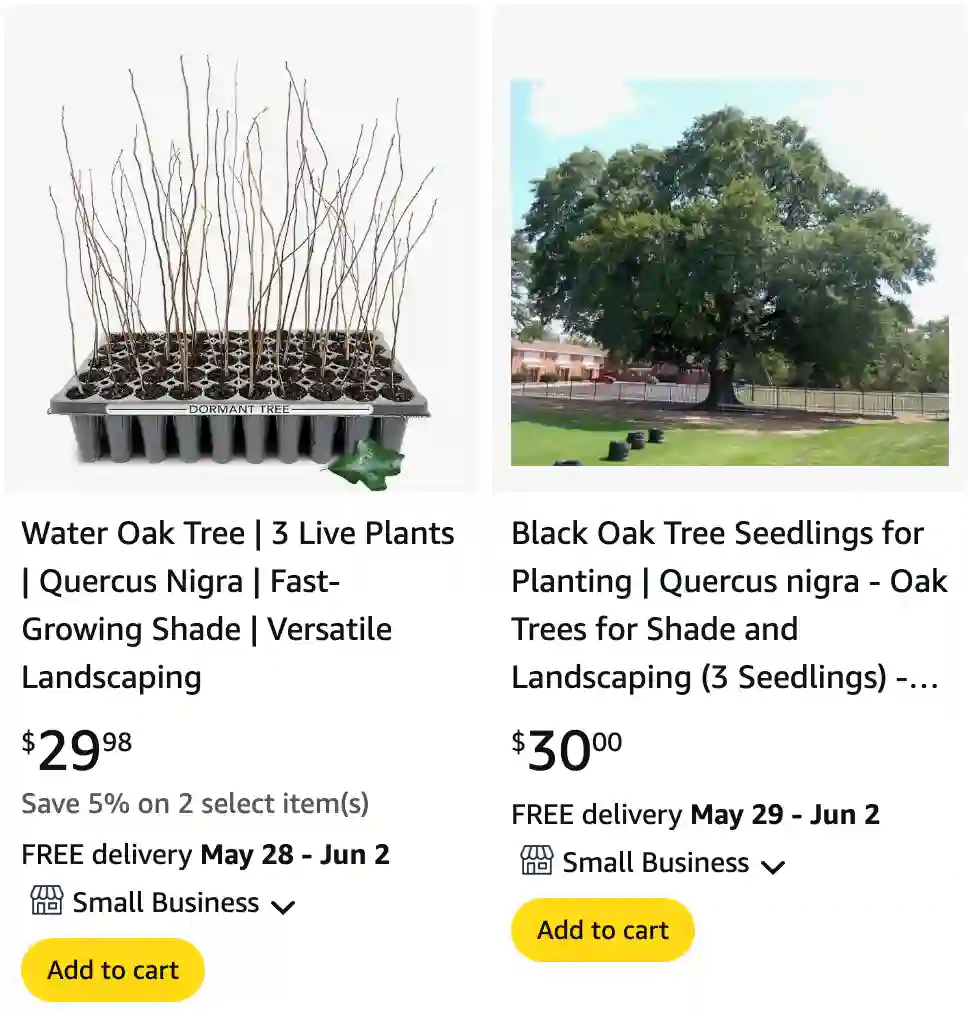
I’ve spent a good deal of time with oaks, and Quercus Nigra — commonly known as Water Oak — has always held a curious place in my landscape projects and native plant explorations. If you’re looking into this southeastern U.S. native tree, I’ve compiled answers to the most common questions I receive. I’m keeping this simple, clear, and direct — in line with Hemingway’s writing style — and sticking to firsthand knowledge and facts.
What Is Quercus Nigra?
Quercus Nigra is a fast-growing deciduous oak, found primarily in the southeastern United States. It thrives in moist bottomlands, making it a top choice for rain gardens, stream banks, and flood-prone soils. It’s a member of the Red Oak group (Quercus sect. Lobatae), and unlike many other oaks, its leaves vary widely in shape, sometimes even on the same tree.
The tree typically grows up to 60-80 feet tall and spreads just as wide. Its crown starts conical when young but spreads out with age, creating a rounded canopy. The bark is gray-brown, smooth when young, and becomes ridged with age.
Is Quercus Nigra a Good Shade Tree?
Yes, absolutely. I’ve planted Quercus Nigra for clients who needed quick shade in large yards. Within just a decade, the tree’s canopy can provide substantial cover. However, I always warn people that this oak has a relatively short life span compared to other species — usually 30 to 50 years. Its branches can become brittle and prone to breakage in older trees, which makes timely pruning essential.
Is Quercus Nigra Messy?
It can be. The tree produces acorns that drop from late fall into early winter. While this is a food source for wildlife like squirrels, deer, and birds, the acorns can litter patios, lawns, and driveways. The leaves — narrow, spatula-shaped, and semi-evergreen in warmer zones — also fall throughout the year. I’ve found this to be more manageable than some other oaks, but it’s still a factor to consider if you want a pristine yard.
How Does Quercus Nigra Compare to Quercus Chapmanii?
I’ve been asked many times about Quercus Nigra vs Chapmanii, and the difference is worth noting. Quercus Chapmanii (Chapman’s Oak) is a smaller, shrubbier oak, often multi-trunked and growing only 10 to 20 feet tall. It’s native to sandy uplands and is more drought-tolerant than Quercus Nigra. While Quercus Nigra prefers moist soils, Chapmanii excels in dry, sandy, well-drained environments like Florida’s scrublands.
If you’re looking for a tall, fast-growing shade tree, go with Quercus Nigra. If your site is sandy and dry, or if you want a more compact native oak for a naturalized planting, then Chapmanii is a better fit. I use Chapmanii more often in xeriscapes and wildlife gardens where a low-maintenance native is needed.
Is Quercus Nigra Drought Tolerant?
Not really. This oak does best in moist to wet soils. During drought, it can struggle unless well-established. In the first few years after planting, it requires consistent watering. That said, once rooted, I’ve seen older trees survive several dry summers in southern Georgia with only minor leaf scorch. Still, it will never match species like Quercus Chapmanii, Quercus Fusiformis, or Quercus Stellata in drought endurance.
What Wildlife Benefits Does It Offer?
Quercus Nigra plays a critical role in native ecosystems. Its acorns support over 100 species of birds and mammals. Caterpillars of numerous Lepidoptera species feed on its leaves, which in turn feed songbirds. I’ve watched warblers and chickadees forage in these trees — a sign of a healthy native food web. For homeowners looking to support pollinators and wildlife, planting Quercus Nigra is a step in the right direction.
What Are the Maintenance Needs?
Prune in winter to maintain structure and remove weak limbs. Avoid topping or severe crown reductions. I also recommend monitoring for pests like scale and oak leaf blister, though these rarely pose major threats if the tree is healthy.
Mulching helps retain soil moisture and protect the roots. Avoid piling mulch against the trunk. Water regularly during the first two growing seasons to help it establish deep roots.
Final Thoughts
I’ve planted Quercus Nigra in everything from suburban lawns to conservation projects. It’s a fast-growing, wildlife-friendly native with wide ecological value — but it’s not perfect. It can be messy, brittle with age, and short-lived. In contrast, Quercus Chapmanii suits smaller spaces and sandy sites but lacks the towering shade and fast growth.
In choosing between Quercus Nigra vs Chapmanii, your site and goals should guide you. Moist, open yard? Go with Nigra. Dry, scrubby ground with limited space? Choose Chapmanii. Both have their place — and I’ve used them both, depending on the project.

If i die, water my plants!