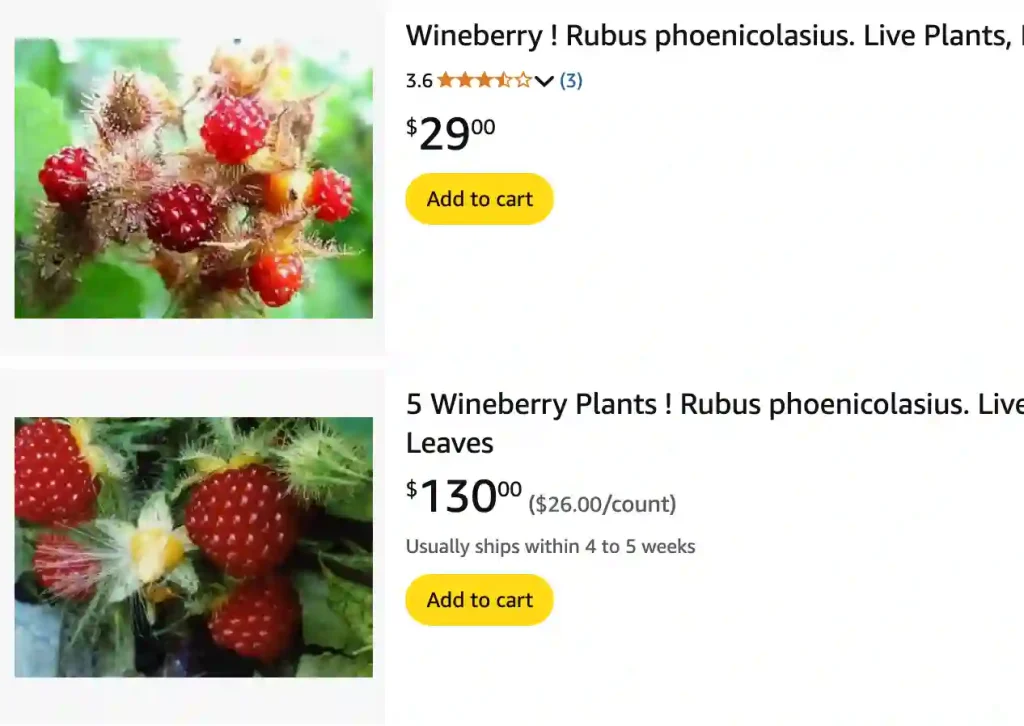
Rubus Phoenicolasius, better known as Japanese Wineberry, is one of those plants that surprises you. It looks like a cross between a wild raspberry and a bramble, and its red, sticky stems alone spark curiosity. I’ve grown this plant, eaten its berries, and fought its invasive tendencies. Here’s what I’ve learned—no fluff, just real answers to common questions.
1556 Species in Genus Rubus
What Is Rubus Phoenicolasius?
Rubus Phoenicolasius is a deciduous shrub in the Rosaceae family. Native to East Asia, particularly Japan and China, it was introduced to North America in the 1890s. Its original purpose? Breeding new raspberry hybrids. But it didn’t stay confined. Today, it grows wild across the eastern U.S., often called an invasive species.
The plant’s most striking feature is its hairy, red stems. Those bristles are sticky and help trap insects, possibly to deter pests. Its berries, which ripen in mid-summer, taste like a mix of raspberries and currants—sweet with a tangy kick.
How Does It Compare to Raspberry (Rubus Idaeus)?
Great question. I grow both Rubus Phoenicolasius and Rubus Idaeus, the common raspberry. Here’s a straight-up comparison:
| Feature | Rubus Phoenicolasius (Wineberry) | Rubus Idaeus (Raspberry) |
|---|---|---|
| Fruit | Juicier, stickier, more tart | Sweeter, larger |
| Stems | Covered in red bristles | Smooth or mildly thorny |
| Growth | More aggressive spread | Easier to manage |
| Fruit Ripening | Late June–July | Early to mid-summer |
While raspberries are more “domesticated,” wineberries grow like they’re reclaiming the land. If left unchecked, they will.
Is Rubus Phoenicolasius Invasive?
Yes—and I’ve seen it happen. Wineberry spreads by tip layering and seeds, and it forms dense thickets that choke out native plants. In many states, it’s on the watch list or prohibited due to its ecological impact.
But here’s the thing: If you’re a careful gardener and keep it pruned, it can be both beautiful and productive. I use root barriers and trim it back each fall to control its spread.
Are the Berries Safe to Eat?
Absolutely. I eat them fresh off the cane. The fruit is rich in vitamin C, antioxidants, and dietary fiber. You can also use it in jams, pies, or syrups.
Be sure to harvest them when they’re deep red and soft—they don’t ripen all at once. And don’t confuse them with lookalikes like red baneberry, which is toxic. The key differences: wineberries have hairy calyxes and sticky stems; baneberries do not.
Can I Grow Rubus Phoenicolasius in My Garden?
Yes, but with caution. I always tell people: treat it like bamboo. It will spread underground and above ground if not contained. Use a raised bed or deep edging, and mulch heavily to suppress runners.
Plant in full sun for best fruit. It tolerates partial shade but won’t fruit as well. The soil should be moist, well-drained, and slightly acidic.
How Do I Prune and Maintain It?
Wineberry is a biennial. That means stems (canes) grow the first year, fruit in the second, and then die. Here’s what I do:
- Summer: Harvest the fruit.
- Fall/Winter: Cut down all canes that fruited.
- Spring: Thin the new canes so they’re spaced at least 6 inches apart.
This keeps the plant productive and less invasive. I also remove root suckers aggressively throughout the year.
How Does It Compare to Blackberry?
Blackberries (Rubus Fruticosus) are tougher and larger, but they lack the bright tartness of wineberries. Here’s my quick rundown:
| Trait | Wineberry | Blackberry |
|---|---|---|
| Taste | Tart-sweet, tangy | Mellow, sweet |
| Fruit Texture | Juicy, sticky | Firmer |
| Stem | Sticky red bristles | Thorny or thornless |
| Spread | Rapid, invasive | Moderate |
If you love foraging or permaculture, wineberries feel more “wild.” But for pies and storage, I still prefer blackberries.
Is It Medicinal?
Traditionally, yes. In Chinese and Japanese herbal medicine, parts of the Rubus Phoenicolasius plant were used for:
- Detoxification
- Diuretic purposes
- Blood circulation
I don’t use it medicinally myself, but I appreciate its historical context. That said, always consult a professional before using any plant medicinally.
Can I Propagate Rubus Phoenicolasius?
Yes—and it’s ridiculously easy. Here are the three methods I’ve used:
- Tip Layering: Just let a cane touch the ground. It roots on its own.
- Root Division: In fall or spring, dig up a runner and replant.
- Seeds: Messy and slow, but works if you want genetic diversity.
I mostly rely on tip layering. It’s fast and foolproof.
What Wildlife Does It Support?
Birds love the berries. So do raccoons, deer, and bees. The plant’s dense structure offers shelter for small mammals and ground-nesting birds. However, it also displaces native plants, which can disrupt local pollinator networks.
As with all invasive species, it’s a trade-off. I try to balance benefit with responsibility.
Final Thoughts from My Garden
Rubus Phoenicolasius is not just another berry bush—it’s a living paradox. Delicious and dangerous. Beautiful and aggressive. If you give it space and discipline, it rewards you with fruit that rivals anything in the supermarket.
But don’t underestimate it. This is a plant that wants to rule your yard. I grow it for the flavor, the fun of foraging, and the history behind it. But I also keep my garden shears sharp.

If i die, water my plants!