Alright, hello everyone! Ferb Vu here. I get a lot of questions about various plants, especially those that pop up in gardens and lawns uninvited. Today, I want to tackle a common one that many of you have asked about: Rumex Acetosella, often known as Sheep Sorrel, Red Sorrel, or Field Sorrel. It’s a fascinating little plant, but it can certainly be a persistent guest. So, let’s dive into some frequently asked questions.
What Exactly is Rumex Acetosella?
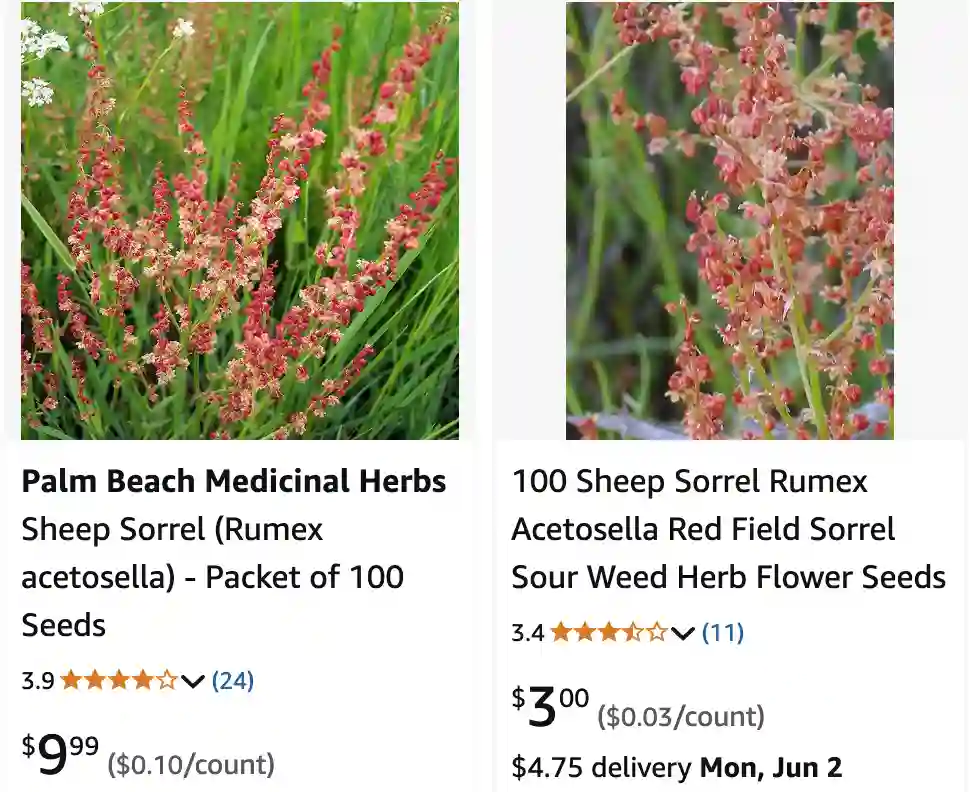
Rumex Acetosella is its scientific, botanical name. You’ll more likely hear it called Sheep Sorrel or Red Sorrel. It’s a low-growing, perennial herb. This means it lives for more than two years and often comes back stronger each season if not managed. It belongs to the Polygonaceae family, which also includes plants like buckwheat and rhubarb. One of its defining features is its creeping root system, specifically rhizomes. These underground stems are why it can spread so effectively and be tricky to remove completely. The plant typically features small, greenish flowers that can turn reddish, especially as they mature, and distinctive arrowhead-shaped leaves.
How Can I Identify Rumex Acetosella?
Identification is key. Look for those characteristic leaves: they are usually shaped like an arrowhead or a spearhead, with two lobes at the base pointing backward. The leaves are relatively small, often only an inch or two long. The stems are slender and can also take on a reddish hue, particularly in full sun or stressed conditions. When it flowers, typically from late spring into summer, you’ll see clusters of tiny, inconspicuous flowers at the top of wiry stems. These flower clusters also tend to turn a rusty red color, giving the plant one of its common names, Red Sorrel. The overall plant height is usually under a foot. If you crush a leaf, you might notice a slightly tangy or lemony scent.
Why is Rumex Acetosella Often Considered a Weed?
Many people ask why Rumex Acetosella is such a nuisance. Its “weedy” reputation comes down to a few factors. First, its aggressive spreading habit via rhizomes. These underground runners can send up new shoots far from the parent plant, allowing it to colonize areas quickly. This means it can easily outcompete more desirable lawn grasses, garden vegetables, or ornamental plants for nutrients, water, and light. Second, it’s quite adaptable. It thrives in conditions where many other plants struggle, particularly acidic soil. In fact, its presence is often a strong indicator of low soil pH. Its resilience and ability to regenerate from even small pieces of rhizome left in the ground make it a formidable opponent in the garden.
Where Does Rumex Acetosella Typically Grow?
Understanding its preferred habitat helps in managing it. Rumex Acetosella favors acidic, infertile soils. If you see a lot of it, it’s a good sign your soil pH might be too low (acidic) and possibly lacking in essential nutrients. It’s commonly found in lawns, pastures, cultivated fields, and disturbed areas. While it prefers sandy or gravelly soils, it can adapt to a range of soil types. It also generally prefers full sun but can tolerate partial shade. So, if you have sunny spots with poor, acidic soil, you’re creating a welcome mat for Sheep Sorrel.
Is Rumex Acetosella Edible?
This is a question I get quite often, and the answer is yes, with a caveat. The leaves of Rumex Acetosella have a bright, lemony, tart flavor. They can be a zesty addition to salads, soups, or sauces. Some people use them as a pot herb. However, this tartness comes from oxalic acid. Consumed in very large quantities, oxalic acid can be problematic. It can interfere with nutrient absorption and may aggravate conditions like kidney stones, gout, or rheumatism in susceptible individuals. So, moderation is key. A few leaves in a salad are generally fine for most people, but don’t go making entire meals solely out of Sheep Sorrel.
How to Get Rid of Rumex Acetosella
This is the big one, isn’t it? Eradicating Rumex Acetosella requires persistence and a multi-pronged approach. There’s no magic bullet, I’m afraid.
The primary strategy should focus on changing the conditions that allow it to thrive.
- Soil Amendment: Since Rumex Acetosella loves acidic soil, the most effective long-term control is to raise the soil pH. Conduct a soil test to determine your current pH level. If it’s acidic (below 6.0-6.5 for most garden plants and lawns), apply lime according to the test recommendations. This makes the soil less hospitable for Sheep Sorrel and more favorable for your desired plants.
- Improve Soil Fertility: This plant often indicates low-fertility soil. Regular application of compost and balanced organic fertilizers will improve soil structure and nutrient content, helping your preferred plants outcompete the sorrel.
- Manual Removal: For small infestations, you can try digging it out. You must be thorough. Ensure you remove as much of the rhizome system as possible. Any small piece left behind can, and likely will, regrow. This is often tedious and can be difficult, especially in established patches. Repeated efforts are necessary.
- Mulching: In garden beds, applying a thick layer of organic mulch (3-4 inches) can help suppress Rumex Acetosella by blocking sunlight and preventing new seedlings from establishing. For very persistent patches, you might consider sheet mulching with cardboard before adding organic mulch.
- Crowding Out: A dense, healthy stand of grass in a lawn or vigorous growth of desired plants in a garden bed is the best defense. Overseed lawns in the fall to thicken the turf. Ensure your garden plants are healthy and well-established.
- Chemical Control (Use with Caution): If other methods fail and the infestation is severe, herbicides are an option. Look for selective herbicides labeled for broadleaf weed control in lawns if that’s where your problem lies. For garden beds, a non-selective herbicide like glyphosate can be used, but extreme care must be taken to avoid contact with desirable plants, as it will kill any plant it touches. Always follow label instructions precisely. Remember, herbicides are a temporary fix if you don’t also address the underlying soil conditions.
- Boiling Water: For very small, isolated patches, carefully pouring boiling water can kill the plant. This will also affect nearby plants and soil life, so use it sparingly and with precision.
Are There Any Benefits to Having Rumex Acetosella?
Despite its weedy nature, it’s not all bad. As mentioned, it’s edible in moderation and can add a nice tang to foods. Historically, it has been used in traditional folk medicine for various ailments, though scientific backing for many of these uses is limited. Its presence is a very useful biological indicator of acidic soil, prompting you to test and amend your soil, which benefits your whole garden in the long run. In some very specific, low-maintenance landscaping scenarios, it could even be considered a somewhat drought-tolerant ground cover where little else will grow, though this is not its typical application.
Is Rumex Acetosella Harmful to Pets?
Similar to humans, the oxalic acid in Rumex Acetosella can be an issue for pets if they consume large quantities. Symptoms of oxalic acid poisoning in animals can include drooling, vomiting, diarrhea, lethargy, and in severe cases, kidney damage. Most pets won’t eat enough to cause serious harm because of the tart taste. However, if you have pets that graze extensively on plants, it’s wise to manage Rumex Acetosella populations in areas they frequent or consult your veterinarian if you suspect they’ve ingested a significant amount.
Managing Rumex Acetosella is certainly a marathon, not a sprint. By understanding its needs and habits, and by focusing on improving your soil health, you can significantly reduce its presence. Good luck, and happy gardening!

If i die, water my plants!