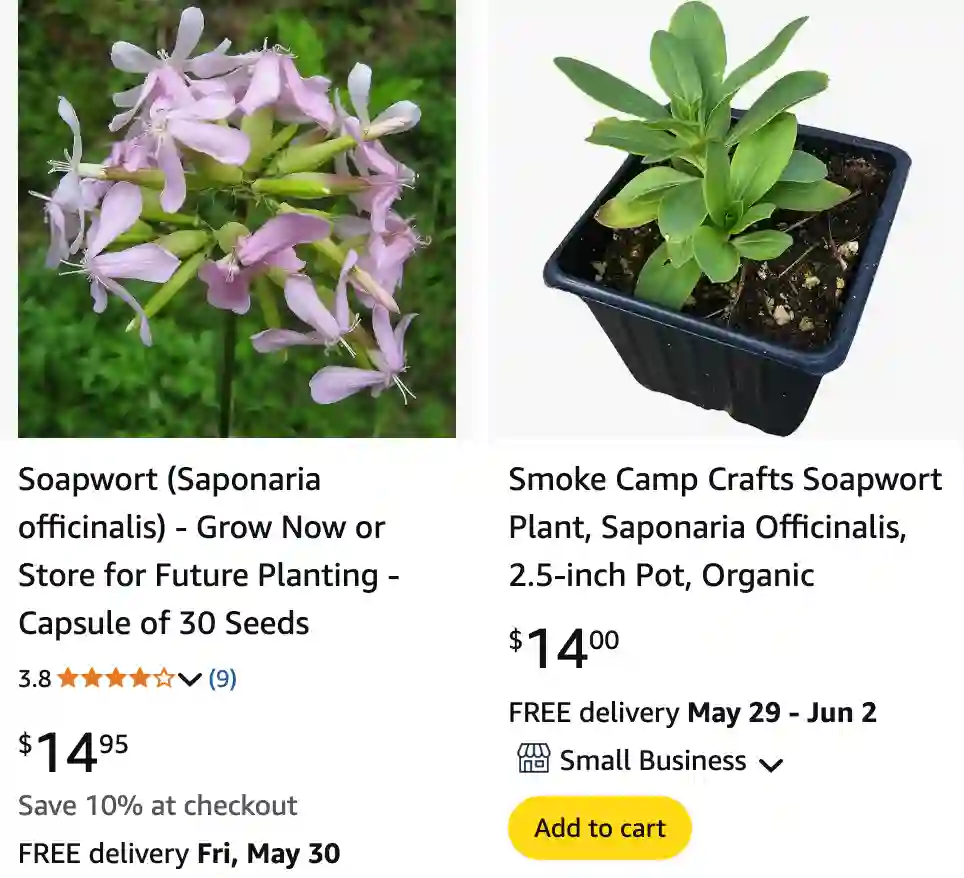
Hi, I’m Ferb Vu, and I want to share everything I’ve learned about Saponaria Officinalis, also known as Soapwort. If you’re curious about this unique plant, how it grows, and how it stacks up against other similar plants, you’re in the right place. I’ve put together a detailed FAQ based on my personal experience, combined with solid facts and useful tips.
What Is Saponaria Officinalis?
Saponaria Officinalis is a perennial flowering plant native to Europe and parts of Asia. It’s commonly called Soapwort because its leaves and roots contain natural saponins — these are compounds that create a mild soap-like foam when mixed with water. Historically, people used Soapwort to wash delicate fabrics and even to clean skin gently.
From my experience, it’s a charming addition to any garden because it produces pretty clusters of pink or white flowers during summer. Plus, it attracts butterflies and bees, which adds life to my garden.
How Do I Grow Saponaria Officinalis Successfully?
I’ve found that Soapwort thrives best in full sun to partial shade. It’s pretty tough and adapts to various soil types but prefers well-drained soil. It’s a low-maintenance plant once established, but you want to water it moderately—too much moisture can cause root rot.
A pro tip: Soapwort spreads by runners, so if you don’t want it to take over your garden, keep it contained or trim it back regularly. It can be a great groundcover, but it does have a mind of its own!
Is Saponaria Officinalis Toxic or Safe Around Pets?
Safety around pets is a common concern. Saponaria Officinalis contains saponins, which can be mildly toxic if ingested in large quantities. I keep my dogs away from it just to be safe. For children, it’s also best to avoid ingestion.
However, touching or handling the plant generally causes no harm. I always recommend educating yourself about plant toxicity if you have curious pets or kids at home.
How Does Saponaria Officinalis Compare to Other Soap-Producing Plants?
When I first learned about Soapwort, I wondered how it compared to other soap plants like Yucca or Quillaja Saponaria (Soapbark Tree).
- Yucca produces saponins mainly in its roots and leaves, but its flowers are quite different and less showy than Soapwort’s. Yucca prefers arid conditions, while Soapwort likes temperate climates.
- Quillaja Saponaria is a tree native to South America and is used commercially for saponins, but it’s much larger and slower-growing than Soapwort.
Soapwort’s advantage is its ease of cultivation and beautiful flowers. Plus, it works well as a natural soap substitute in small-scale, eco-friendly cleaning.
What Are the Common Uses of Saponaria Officinalis?
Besides its historical use as a natural soap, I’ve discovered several other ways to enjoy Soapwort:
- Natural Cleaning: Crushing the leaves and soaking them in water produces a gentle cleanser for delicate fabrics and wool.
- Medicinal Uses: Traditionally, Soapwort was used for skin conditions and respiratory issues, thanks to its mild anti-inflammatory properties. However, I always stress consulting a healthcare professional before using it medicinally.
- Ornamental Plant: Its clusters of soft pink flowers brighten up garden beds and borders.
- Wildlife Garden: It attracts pollinators, helping biodiversity in my garden.
Can Saponaria Officinalis Invasive?
This is important. I’ve noticed that Soapwort can spread aggressively in some gardens. It produces runners that root quickly, forming dense mats. In some regions, it’s considered invasive, so be mindful of local regulations and how you manage its growth.
If you want to keep it in check, I recommend planting it in contained beds or using root barriers. Regular pruning also helps manage its spread.
How Do I Propagate Saponaria Officinalis?
Propagation is straightforward. From my trials, Soapwort propagates well from both seed and cuttings:
- Seeds: Sow seeds in spring in well-draining soil. They germinate within a couple of weeks.
- Cuttings: Take stem cuttings in late spring or early summer. Root them in moist soil or water until roots form, then transplant.
I prefer cuttings because it’s faster and ensures the new plants have the same flower color as the parent.
What Are Some Similar Plants to Saponaria Officinalis?
If you like Soapwort, you might also enjoy:
- Phlox Subulata (Creeping Phlox): Another groundcover with vibrant flowers but without saponins.
- Silene vulgaris (Bladder Campion): Related to Soapwort, similar flower shape but more compact.
- Gypsophila paniculata (Baby’s Breath): Has airy white flowers, often used in bouquets.
Compared to these, Soapwort stands out because of its unique saponin content and natural soap properties, making it a multifunctional plant in the garden.
Can I Use Saponaria Officinalis for Natural Dyeing?
Yes! I experimented with Soapwort as a mordant in natural dyeing. It helps fix colors on fabrics and gives a subtle sheen. This plant pairs well with natural dyes like indigo or madder.
It’s a fun project if you’re into eco-friendly crafts and want to add a historical touch to your textile work.
Final Thoughts on Saponaria Officinalis
I love Saponaria Officinalis for its blend of beauty and utility. It’s more than just a pretty plant; it’s a connection to traditional, sustainable living. Whether you want a natural soap source, a pollinator-friendly flower, or a unique addition to your garden, Soapwort fits the bill.
Just remember: keep an eye on its growth, and respect its mild toxicity if you have pets or kids around. With a little care, this plant will reward you with charm and usefulness year after year.

If i die, water my plants!