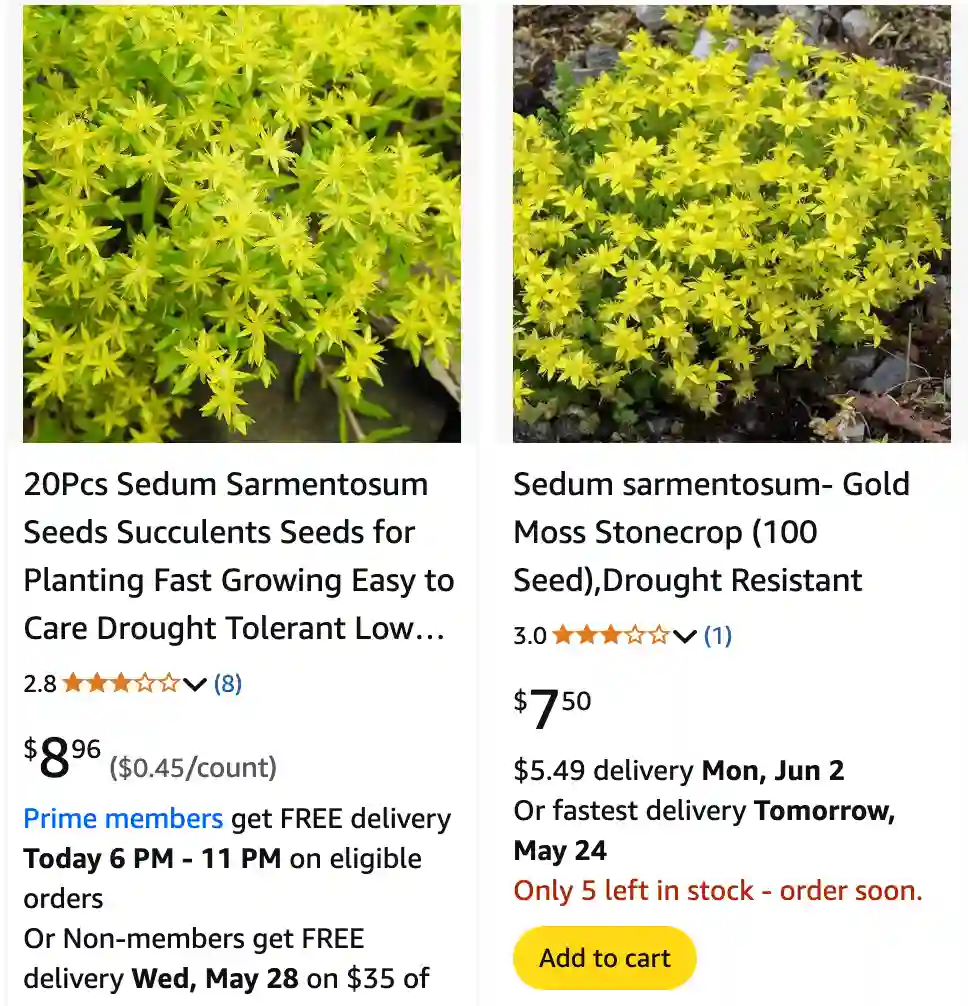
When I first got into gardening, Sedum Sarmentosum caught my eye for its bright green foliage and trailing habit. Also known as “stringy stonecrop” or “golden moss,” this plant quickly became one of my favorites. Over time, I’ve gathered plenty of experience and questions from fellow gardeners about this versatile succulent. Here’s a detailed look at the FAQs I often get about Sedum Sarmentosum, answered from my personal experience.
What Is Sedum Sarmentosum?
Sedum Sarmentosum is a low-growing, mat-forming succulent native to East Asia. It’s prized for its bright chartreuse leaves and star-shaped yellow flowers that bloom in late spring to early summer. This plant thrives in sunny spots but tolerates partial shade. It’s drought-resistant and easy to care for, making it perfect for ground cover, rock gardens, or hanging baskets.
Are You Able to Walk on Sedum Sarmentosum Plant?
This is one of the most common questions I get. Honestly, Sedum Sarmentosum is somewhat resilient but not designed to withstand heavy foot traffic. Walking lightly on it occasionally won’t immediately damage the plant, but repeated stepping can crush the delicate leaves and stems, slowing growth or killing parts of the mat.
If you want a ground cover that can handle some foot traffic, Sedum Sarmentosum may work for light paths or stepping stones with gaps. But for high-traffic areas, a tougher grass or hardier succulent ground cover might be better. From my experience, it’s best treated as a decorative ground cover rather than a walkway surface.
How Fast Does Sedum Sarmentosum Grow?
I’ve found Sedum Sarmentosum to be a fast spreader under ideal conditions. In spring and summer, it quickly fills in empty spaces with creeping stems that root easily. This rapid growth makes it excellent for erosion control on slopes or filling gaps in rock gardens. However, in colder or shadier environments, growth slows down noticeably.
What Soil Does Sedum Sarmentosum Prefer?
Drainage is key. Sedum Sarmentosum thrives in well-drained soil that doesn’t stay soggy. I always plant it in gritty, sandy soil amended with organic matter to improve drainage. Heavy clay soils tend to cause root rot, which this succulent is vulnerable to.
Can Sedum Sarmentosum Handle Drought?
Absolutely. This succulent stores water in its fleshy leaves, making it drought-tolerant once established. I often let mine dry out completely between waterings, especially during summer heat. However, if you want a lush, vibrant mat, occasional watering during prolonged dry spells helps maintain its bright color.
Does Sedum Sarmentosum Attract Pollinators?
Yes, the star-shaped yellow flowers are magnets for bees and butterflies. In my garden, I see lots of pollinator activity around this plant during blooming season. If you want to support local pollinators, this is a nice addition.
Is Sedum Sarmentosum Invasive?
Sedum Sarmentosum can be aggressive in ideal conditions, spreading quickly through runners. While it’s not considered a problematic invasive in most regions, it can outcompete nearby plants if unchecked. I recommend keeping it contained with edging or planting it where it can naturally fill spaces without crowding out native species.
How Do You Propagate Sedum Sarmentosum?
Propagation is easy and fun. You can take stem cuttings or divide the mats. I usually snip a 4-6 inch piece, let it callous for a day, then plant it in well-draining soil. Rooting happens fast, often within two weeks. This is a great way to expand your ground cover or share with friends.
Does Sedum Sarmentosum Need Fertilizer?
I rarely fertilize mine. Sedum Sarmentosum grows well in poor soils and doesn’t require much feeding. If you want to boost growth or flower production, a diluted balanced fertilizer applied once in spring suffices.
What Pests or Diseases Affect Sedum Sarmentosum?
This plant is relatively pest-free, which is one reason I love it. Occasionally, mealybugs or aphids show up, but they’re easy to control with insecticidal soap or neem oil. Overwatering, however, can cause fungal root rot, so good drainage and careful watering are crucial.
Can Sedum Sarmentosum Be Grown Indoors?
While it prefers outdoor conditions, I’ve successfully grown Sedum Sarmentosum indoors in a sunny window. The key is bright, direct light for several hours a day and careful watering. Indoor plants grow more slowly but still provide that lovely trailing green that brightens up spaces.
What Makes Sedum Sarmentosum Different From Other Sedums?
Compared to upright sedums, Sedum Sarmentosum’s trailing habit makes it ideal for cascading over walls, filling rock crevices, or covering slopes. Its bright chartreuse leaves also stand out compared to the blue-green or gray tones of other Sedums, adding vibrant color year-round.
Final Thoughts
Sedum Sarmentosum has been a reliable, beautiful addition to my garden for years. Its ease of care, bright color, and ability to quickly cover bare soil make it a great choice for both beginners and experienced gardeners.

If i die, water my plants!