I’ve spent years exploring every corner of the plant world—tropical, desert, and everything in between. But Semi Aquatic Plants? They’ve earned a permanent spot in my heart and tanks. If you’re curious about them or wondering how they compare to fully aquatic or terrestrial plants, here’s my no-fluff, straight-talk guide.
What Are Semi Aquatic Plants?
Semi Aquatic Plants grow in both water and soil. That’s right—they live with wet feet but breathe air. Think of them as nature’s hybrids. Their roots often stay submerged, but their leaves and stems extend above water. Plants like Anubias, Cryptocoryne, and Ludwigia repens thrive in both paludariums and wet soil beds. I love using them in setups that blur the line between land and water.
They’re vital to riparian ecosystems, wetlands, and aquatic gardens. Their ability to stabilize soil and absorb nutrients helps control algae and filter water—naturally.
How Are Semi Aquatic Plants Different from Fully Aquatic Plants?
Fully Aquatic Plants are true water dwellers. Think Vallisneria or Elodea. They need to be submerged to survive. Semi Aquatic Plants don’t. They prefer waterlogged environments but must breathe air through their stomata.
I’ve had Ludwigia that thrived half-in, half-out of my tank—its leaves above the surface turned deep red with proper light. If I fully submerged it for too long without CO₂, it melted. That’s the main difference—gas exchange and light needs above the waterline.
Can I Use Semi Aquatic Plants in a Terrarium?
Yes—but not a dry one. Use them in paludariums, vivariums, or ripariums. These microhabitats mimic riverbanks or marshes. I often use plants like Pilea, Fittonia, or Hydrocotyle tripartita along the moist edges of hardscape features.
They’re perfect for amphibians like dart frogs or newts, where humidity stays high but standing water is shallow or flowing. Just don’t expect them to survive in arid desert-style terrariums.
What’s the Best Way to Plant Them?
Here’s my method:
- Choose a pot or substrate with good water retention—but not fully submerged.
- Anchor roots in sand, clay, or aqua soil.
- Mist daily if kept in open air.
- Provide indirect light or full-spectrum LEDs.
I never bury the crown too deep. That causes rot. Also, for species like Anubias, I tie them to rocks or driftwood. Their rhizomes hate being buried.
Do Semi Aquatic Plants Need CO₂ or Fertilizers?
Depends on how you’re growing them. Emersed (above water), many do fine without added CO₂. But if you keep them partially submerged in an aquarium, adding CO₂ boosts growth and coloration.
I use root tabs or liquid fertilizers rich in iron (Fe), potassium (K), and micronutrients. Plants like Alternanthera reineckii show better reds with extra iron. Just watch for algae if dosing in tanks without enough biofiltration.
Can They Grow Emersed and Submersed?
Yes—and that’s their magic. I often transition Semi Aquatic Plants from emersed to submersed states and vice versa. During this process, leaves morph. Emersed leaves are tougher and thicker; submerged ones are soft and delicate.
This dual growth mode allows aquascapers like me to start new tanks faster. Emersed plants grow faster (more oxygen and CO₂), so I grow them outside the tank, then replant them underwater once rooted.
How Do They Compare to Terrestrial Plants?
Terrestrial plants can’t tolerate standing water. Try planting a begonia in a bog—it’ll rot fast. But Semi Aquatic Plants can handle wet feet, making them ideal for marginal zones. I use them in rain gardens and pond edges where flooding is common.
They also serve functional roles—phytoremediation, erosion control, and habitat creation for aquatic life.
Are There Any Downsides?
Yes—though I still love them.
- Root rot is a threat if drainage is poor.
- They grow slower submerged without CO₂.
- Some species, like Hygrophila difformis, become invasive in open water.
I always check local regulations when planting near ponds or streams. Some Semi Aquatic Plants are on invasive species lists, depending on your state or country.
What Are Some of My Favorite Semi Aquatic Plants?
Glad you asked! Here are my go-tos:
- Ludwigia repens – Versatile, vibrant reds above water.
- Anubias barteri – Hardy, low-light champion.
- Cryptocoryne wendtii – Earth tones, thrives emersed and submerged.
- Hydrocotyle tripartita – Fast-growing ground cover.
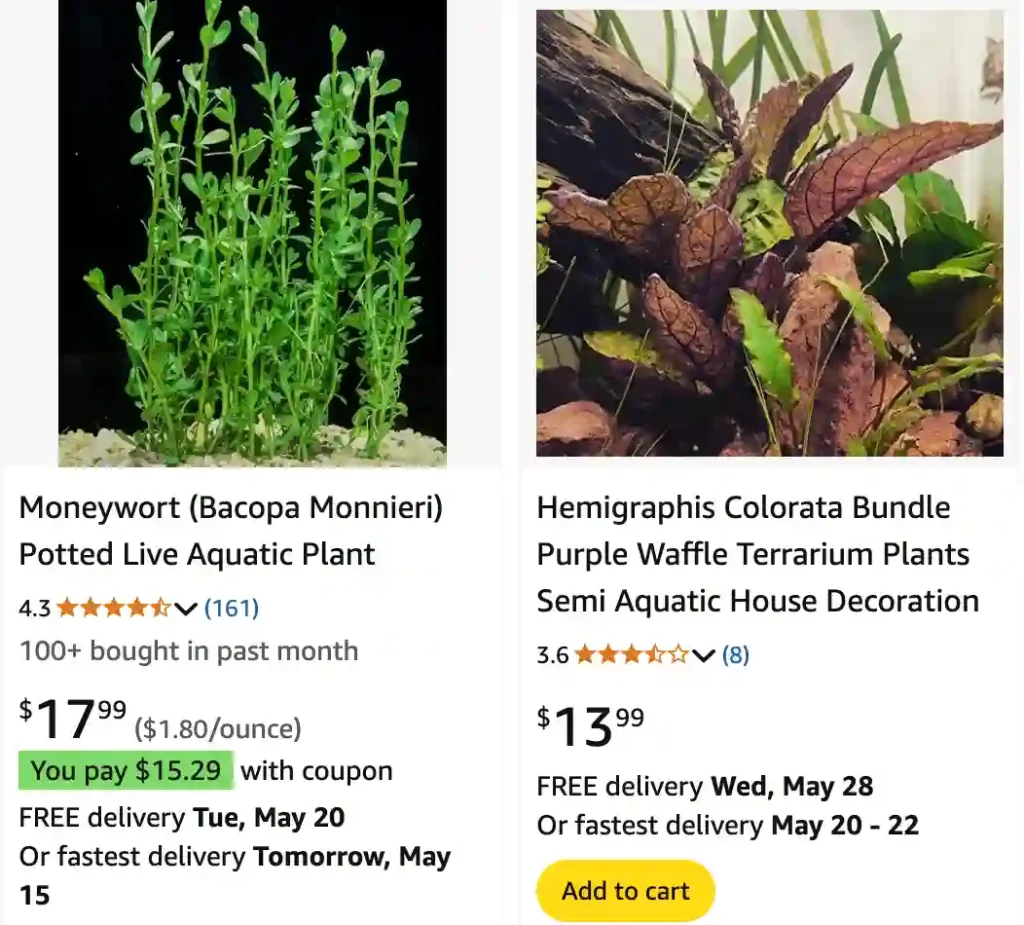
- Bacopa monnieri – Great for herbal lovers; it’s also medicinal.
- Hygrophila corymbosa – Grows like a beast with enough light.
Each of these works in tanks, paludariums, and even edge-of-pond scenarios. I’ve propagated them from cuttings, replanted them multiple times, and never tire of watching them evolve across environments.
Final Thoughts
Semi Aquatic Plants are the chameleons of the plant world. They thrive in the margins—literally and figuratively. Whether you’re into aquascaping, wetland restoration, or just want to add depth to your terrarium, these plants offer flexibility and function.
For me, they represent the balance between land and water, wild and tamed. If you’re patient and curious, they’ll reward you with vibrant growth, unique textures, and an ever-changing display of color.

If i die, water my plants!