Hi, I’m Ferb Vu. I’ve spent quite some time exploring various grasses and wild plants, and one species that caught my attention recently is Setaria Viridis. Also known as green foxtail, it’s a fascinating plant with unique qualities. I want to share my insights and answer some common questions I’ve encountered about it. Hopefully, this helps you understand it better or decide if it fits into your garden or study.
What Exactly Is Setaria Viridis?
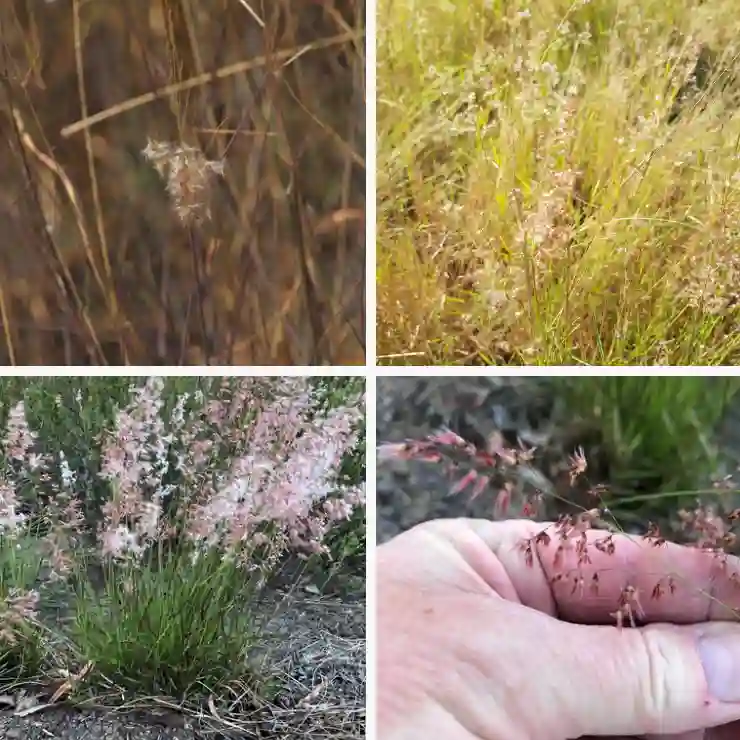
Setaria Viridis is a fast-growing annual grass commonly found in temperate and tropical regions. It belongs to the Poaceae family, which is the same family that includes important grains like maize and millet. What I like about Setaria Viridis is its vibrant green color and foxtail-like seed heads, which give it a distinctive look.
It’s often regarded as a weed in agricultural settings but can be appreciated for its role in soil stabilization and as a food source for birds and wildlife. In some research fields, Setaria Viridis serves as a model organism for studying C4 photosynthesis because of its relatively small genome and rapid life cycle.
How Does Setaria Viridis Compare to Other Grasses Like Setaria Italica or Common Foxtail?
When I compare Setaria Viridis with Setaria Italica (foxtail millet), the first thing I notice is the size and use. Setaria Italica is cultivated as a cereal crop and has larger seeds suitable for human consumption. Setaria Viridis, on the other hand, is smaller, wild, and generally not used as a food crop but more for ecological purposes.
Compared to Common Foxtail (Setaria faberi), which is a notorious weed in many crop fields, Setaria Viridis grows in similar habitats but tends to be less aggressive. It also has a slightly different seed head shape—greener and softer in Viridis versus more bristly in Faberi.
From my experience, Setaria Viridis is easier to manage in a garden or wildflower setting if you want a native grass look without too much invasive risk. But it will still self-seed if conditions are right, so a bit of vigilance helps.
Is Setaria Viridis Useful for Gardening or Landscaping?
I’ve experimented with using Setaria Viridis as a quick ground cover and in wildflower meadows. Its fast growth and vibrant green color make it a good temporary filler. Plus, it provides food and habitat for local wildlife, which is a big plus if you want a natural garden feel.
However, it’s not ideal as a permanent lawn grass or turf because it’s an annual and will die back after seed set. For permanent green cover, I’d recommend looking into perennial grasses like Panicum virgatum (Switchgrass) or Bouteloua gracilis (Blue Grama).
That said, if you want to improve soil health or reduce erosion quickly, Setaria Viridis can be very helpful. It establishes fast and its root system holds soil well.
Does Setaria Viridis Have Any Agricultural or Environmental Importance?
Yes, this grass has some intriguing roles. I find it fascinating that Setaria Viridis is a model plant for studying photosynthesis, specifically C4 photosynthesis, which is more water- and nitrogen-efficient than the more common C3 pathway. Scientists use it to improve crop yields and sustainability.
Environmentally, it often acts as a pioneer species on disturbed lands. I’ve seen it colonize areas after construction or farming activity, helping stabilize soil and preventing erosion. While it’s considered a weed in some cases, it’s also part of natural grassland ecosystems supporting insects and birds.
How Do You Control or Manage Setaria Viridis if It Becomes Weedy?
Since Setaria Viridis seeds prolifically and grows quickly, it can become a nuisance, especially in fields or gardens where you want other plants to thrive. From my experience, mechanical control like hand-pulling or mowing before seed set helps manage its spread. It doesn’t tolerate repeated disturbance very well.
Herbicides can also work, but I prefer integrated methods combining physical removal and promoting competitive plants to crowd it out. Setting up dense, perennial grass cover is effective for long-term control.
What Are The Differences Between Setaria Viridis and Other Native Grasses Like Bouteloua or Panicum?
Bouteloua (Grama grasses) and Panicum (Switchgrass) are mostly perennial warm-season grasses with deep root systems and longer lifespans. Setaria Viridis, being annual, completes its life cycle in one growing season.
In my experience, Bouteloua and Panicum provide better soil structure and biomass build-up over years. They’re also more drought-tolerant. Setaria Viridis, though shorter-lived, offers quick soil coverage and fast green growth in spring or summer.
If you want a low-maintenance, perennial prairie feel, Bouteloua or Panicum species are my pick. But for quick establishment or research purposes, Setaria Viridis stands out.
Can You Eat Setaria Viridis or Use It for Animal Feed?
While Setaria Viridis itself isn’t commonly eaten by humans, related species like Setaria Italica are cultivated as millet for food. In some regions, Setaria Viridis seeds may be consumed by birds or small mammals.
For animal feed, the biomass of Setaria Viridis can serve as forage, but it’s not preferred compared to more palatable grasses or legumes. I’ve seen it used in pasture mixes where it supplements other forages, but I wouldn’t rely on it as a primary feed source.
How Do I Grow Setaria Viridis Successfully?
From my trials, Setaria Viridis grows best in full sun and well-drained soils. It tolerates poor soils and dry conditions well, making it hardy in many environments. Sow seeds in spring or early summer, and you’ll see germination in a week or two.
It requires little maintenance, but if you want to prevent unwanted spreading, mow before seed heads mature. Otherwise, it will self-seed readily and pop up year after year if conditions allow.
Are There Any Environmental Concerns With Setaria Viridis?
In some places, Setaria Viridis is labeled a weed because it competes with crops or native plants. I’ve seen this firsthand where it invades fields or disturbed land aggressively. But in many natural ecosystems, it fills an important niche as a pioneer grass.
If you’re planting it, consider local guidelines and ecosystem impacts. Avoid introducing it into sensitive habitats where it could outcompete natives.
Final Thoughts on Setaria Viridis
Setaria Viridis is a fast-growing, hardy annual grass with many interesting uses and roles. I appreciate it for quick soil cover, research applications, and wildlife support. But I also treat it carefully to avoid weed issues.

If i die, water my plants!