I’ve had the pleasure of growing Silverberry (Elaeagnus Commutata) in my garden, and I can confidently say it’s one of those hardy, underrated native shrubs that deserves more attention. If you’re considering planting Silverberry or just curious about it, this FAQ article covers everything I’ve learned firsthand.
What Is Silverberry (Elaeagnus Commutata)?
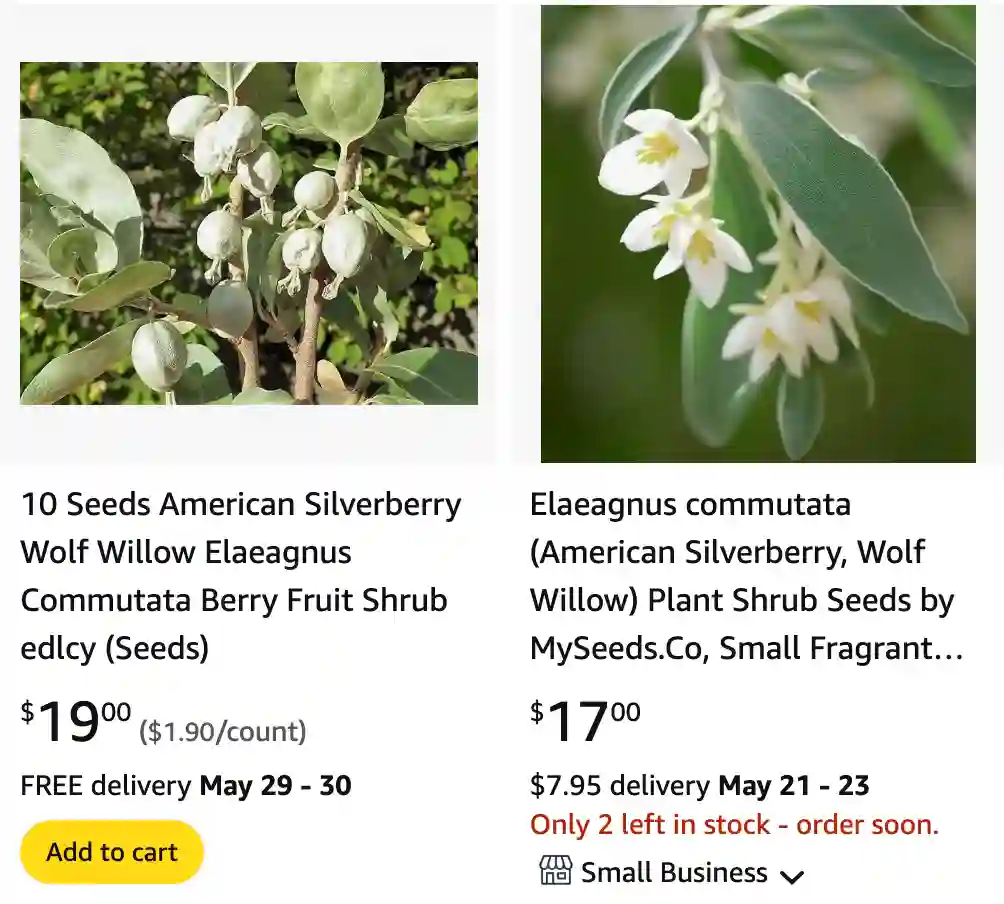
Silverberry, also known as Wolf-Willow, is a deciduous shrub native to North America, particularly Canada and the northern U.S. It belongs to the Elaeagnaceae family and thrives in cold, dry climates. The silvery sheen on its leaves and fruits gives it its common name.
From my experience, Silverberry stands out for three reasons: resilience, soil adaptability, and its ability to fix nitrogen in the soil, improving fertility for surrounding plants.
How Tall and Wide Does Silverberry Grow?
Mine has grown up to 12 feet tall with a spread of about 8 feet. It’s a medium-sized shrub, ideal for hedging or naturalized plantings. With enough sunlight and space, it expands fast.
Its root system is shallow but aggressive, so I always plant it where it won’t compete with delicate species.
Is Silverberry Invasive?
Good question. It can be aggressive, but I wouldn’t call it invasive in a harmful sense—at least not in its native range. However, in some prairie restorations or non-native zones, it can spread rapidly.
I recommend checking with your local extension office if you’re outside its native habitat. I personally keep mine pruned to manage its spread and keep the garden balanced.
What Are the Benefits of Planting Silverberry?
Plenty. Here’s why I love this shrub:
- Nitrogen Fixation: Like legumes, Silverberry enriches poor soils by adding nitrogen naturally.
- Wildlife Support: Birds eat its fruit, and pollinators love its early-season blooms.
- Drought Tolerance: Once established, it hardly needs watering.
- Erosion Control: Great for stabilizing slopes and preventing runoff.
Its tough character makes it ideal for xeriscaping and low-maintenance landscapes.
How Does Silverberry Compare to Russian Olive (Elaeagnus Angustifolia)?
I’ve grown both, so here’s my honest comparison:
| Feature | Silverberry (E. Commutata) | Russian Olive (E. Angustifolia) |
|---|---|---|
| Native Range | North America | Europe & Asia |
| Invasiveness | Moderate | High – Often Banned |
| Leaf Texture | Silvery, leathery | Silvery-gray, softer |
| Fruit | Smaller, less palatable | Larger, edible (but seedy) |
| Height Range | Up to 12 ft | Up to 25 ft |
Russian Olive is far more invasive and can displace native species aggressively. I personally prefer Silverberry for native planting and ecological safety.
Does Silverberry Produce Edible Fruit?
Technically, yes. The fruits are small drupes, covered in silver scales. They’re a bit astringent but can be eaten in small amounts. I don’t eat them often, but birds certainly do.
Some people use them in wild foraging, although flavor is modest compared to other berries like serviceberry or buffaloberry.
How Do I Propagate Silverberry?
From my experience, there are two reliable methods:
- Seed Propagation: Collect ripe berries in fall. Remove the pulp and cold stratify the seeds for several months before planting in spring.
- Root Cuttings: Take root cuttings in early spring or late fall. Plant them in well-drained soil, and they’ll usually sprout the next season.
I prefer root cuttings—they’re faster and more reliable than seeds.
What Soil and Light Conditions Does Silverberry Prefer?
Silverberry is not picky. It thrives in:
- Full sun (ideal)
- Well-drained soils
- Sandy, rocky, or clay substrates
- pH levels from slightly acidic to alkaline
I have mine in sandy loam with near-zero fertilizer, and it thrives. Avoid waterlogged soils—it hates wet feet.
What Are the Common Pests or Problems?
Honestly, very few. That’s one of the reasons I love this plant. Occasionally, I see:
- Leaf spot in wet seasons
- Aphids, though rarely a major issue
- Aggressive suckering, which requires annual pruning
Overall, it’s one of the lowest-maintenance shrubs I’ve ever grown.
Can Silverberry Be Used in Windbreaks or Shelterbelts?
Absolutely. I use it in my northern windbreak alongside Caragana, Buffaloberry, and Nanking Cherry. Its dense structure and tough stems block wind, snow, and even provide privacy.
It also recovers quickly from pruning or wind damage.
What Are Ideal Companion Plants for Silverberry?
In my garden, I’ve paired Silverberry with:
- Artemisia Tridentata (Big Sagebrush) – great drought-tolerant pairing.
- Amelanchier Alnifolia (Saskatoon Serviceberry) – similar needs and provides edible fruit.
- Rosa Woodsii – native rose with matching hardiness.
- Juniperus Horizontalis – a nice evergreen ground cover contrast.
Keep companions sun-loving and drought-tolerant, and you’ll be golden.
Final Thoughts
If you want a native, drought-proof, wildlife-friendly, and easy-care shrub, Silverberry is an excellent choice. I’ve grown it for years and never regretted it. It’s tough, versatile, and beautiful in a quiet, silvery way.

If i die, water my plants!