As someone who loves exploring plants, I often get asked about Solanum Nigrum. This plant, also known as black nightshade, is both fascinating and misunderstood. In this article, I’ll share answers to the most common questions I’ve encountered.
What Is Solanum Nigrum?
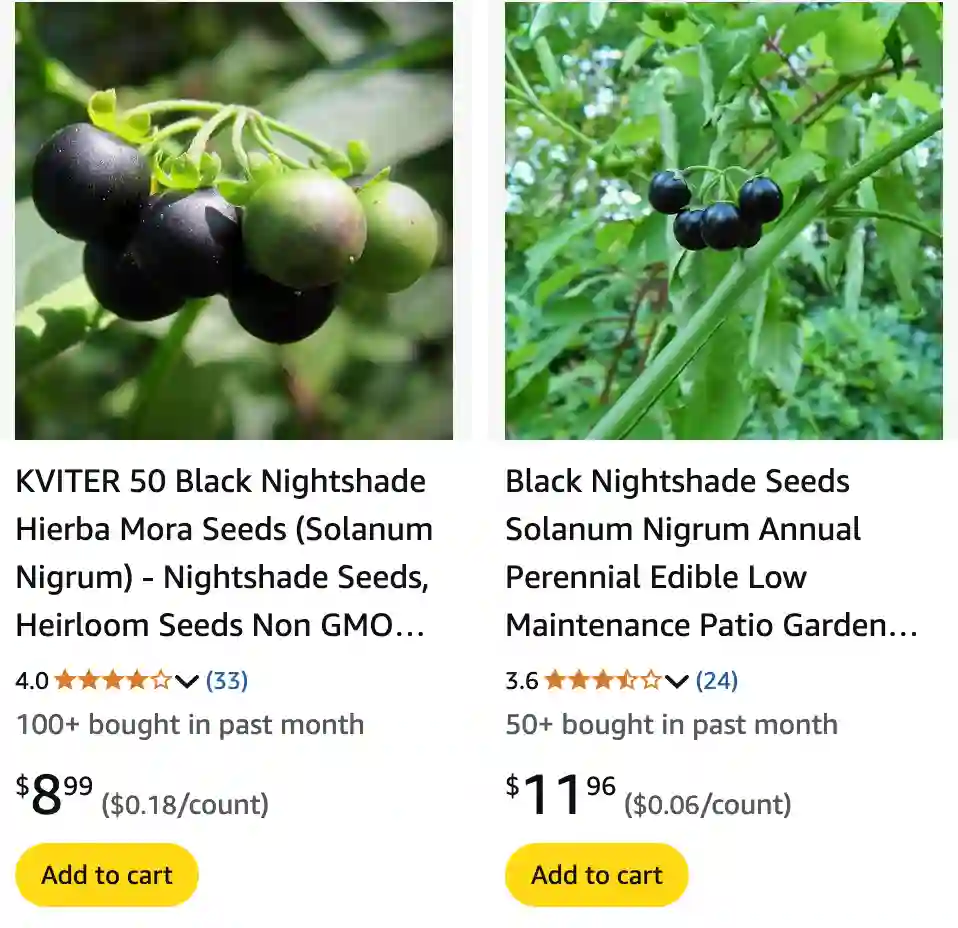
To start, Solanum Nigrum is a flowering plant in the nightshade family (Solanaceae). It grows widely across the world, thriving in temperate and tropical regions. You can recognize it by its small, white, star-shaped flowers and shiny black or purple berries. The plant often grows wild along roadsides, in fields, and gardens.
I find it interesting that while it looks a bit like other nightshades, it has unique properties that set it apart. Some cultures use parts of Solanum Nigrum as traditional medicine or even as food after careful preparation. This duality often confuses people.
Is Solanum Nigrum Poisonous?
This is by far the most common question I get. The simple answer is: yes and no. Raw parts of Solanum Nigrum — especially the unripe berries and leaves — contain toxic compounds called solanine and other alkaloids. These can cause nausea, vomiting, and in severe cases, neurological symptoms.
But here’s the catch — the level of toxicity depends on the plant’s maturity and variety. In many places, people boil the leaves and cook the berries thoroughly, which reduces toxins and makes them safe to eat. This is common in parts of Asia and Africa where it’s known as “Makoi” or “Black nightshade.”
From my own experience, I always advise caution. If you’re not sure about the plant’s source or how to prepare it, avoid eating it. Even though some parts are edible after processing, improper handling can lead to poisoning.
Solanum Nigrum vs Solanum Americanum: What’s the Difference?
I often get asked about the difference between Solanum Nigrum and Solanum Americanum because they look very similar. These two species belong to the same genus and share many traits, but they are distinct.
Solanum Americanum usually has smaller berries that remain greenish or turn purple-black. Its leaves are a bit more pointed compared to the broader leaves of Solanum Nigrum. Another key difference is their geographic distribution — while Solanum Nigrum is native to Europe, Asia, and parts of Africa, Solanum Americanum is mostly found in the Americas and some Pacific regions.
Both species have similar toxicity issues, so the same caution applies. But botanists often use subtle differences in flower and leaf structure to tell them apart. I find it fascinating how nature creates such close lookalikes, which sometimes leads to confusion in identification.
Other Common Questions About Solanum Nigrum
Can Solanum Nigrum Be Used Medicinally?
Yes, in many traditional medicines, the leaves and berries are used to treat inflammation, fever, and even skin conditions. Modern science is starting to explore these properties, but clinical evidence is still limited. I think this shows how plants can bridge cultural knowledge and modern research.
Is Solanum Nigrum Considered a Weed?
Definitely. In many parts of the world, it’s regarded as a weed because it grows aggressively and can invade agricultural fields. However, despite this reputation, I believe it deserves respect for its ecological role and medicinal potential.
What Animals Eat Solanum Nigrum?
Birds love the ripe berries and help spread the seeds, which is why the plant can colonize new areas quickly. Some insects also feed on the leaves. This interaction shows how Solanum Nigrum fits into its ecosystem as a food source despite its toxicity to humans.
Summary and Final Thoughts
To sum up, Solanum Nigrum is a complex plant with many facets. It can be poisonous, yet also medicinal and edible if handled correctly. Knowing what Solanum Nigrum is helps us appreciate its place in nature and culture.
Understanding the difference between Solanum Nigrum vs Solanum Americanum clarifies identification and use. Always approach wild plants with respect and caution, especially those in the nightshade family. My advice is to learn thoroughly before experimenting with such plants.

If i die, water my plants!