As a long-time plant enthusiast, I’ve grown my fair share of shrubs, but few have offered the same balance of beauty and low-maintenance charm as Spiraea Japonica. With its compact growth, vibrant blooms, and seasonal versatility, this plant has earned a permanent spot in my garden. But like with any plant, questions come up—how to care for Spiraea Japonica, when to prune Spiraea Japonica, or even is Spiraea Japonica poisonous to dogs. So here’s my personal FAQ-style guide, written from hands-on experience.
How to Care for Spiraea Japonica?
Let me tell you—Spiraea Japonica is easy to care for, and that’s part of its appeal. When I planted my first one, I followed a few simple rules that still serve me today.
First, this shrub thrives in full sun. Partial shade works, but you’ll see fewer flowers. I always make sure mine get at least six hours of sunlight. The soil doesn’t need to be fancy either. It tolerates clay, loam, or sandy soil, as long as it drains well. Poor drainage is the quickest way to cause root rot.
Watering is another point I often get asked about. I water my Spiraea once a week during the summer, and even less in the cooler months. Once established, it becomes drought-tolerant—a lifesaver during dry spells. A layer of mulch helps keep the soil moist and the roots cool.
Feeding? I fertilize mine in early spring with a balanced, slow-release fertilizer. Don’t overdo it; too much nitrogen encourages leaf growth but limits flowers. You want blooms, not a leafy mess.
When to Prune Spiraea Japonica?
Pruning is essential—not just for appearance, but for plant health. I typically prune my Spiraea Japonica in late winter or early spring, right before new growth appears. This timing encourages fresh flowering and a more compact shape.
During the summer, I deadhead spent flowers to encourage a second bloom. I’ve even seen some of mine bloom twice a season thanks to this simple habit. Just snip off the faded flower heads, and new ones will follow quickly.
Avoid heavy pruning in fall. It can trigger new growth that’s vulnerable to frost damage. I’ve learned that lesson the hard way.
Is Spiraea Japonica Poisonous to Dogs?
As a dog owner, I had this concern early on. The good news? Spiraea Japonica is not considered toxic to dogs. According to the ASPCA and other trusted sources, it’s safe around pets. Still, I always watch my dogs closely when they’re in the garden. Even non-toxic plants can cause mild digestive upset if eaten in large amounts.
Common Problems with Spiraea Japonica
Like any plant, Spiraea isn’t immune to issues. I’ve battled aphids, powdery mildew, and the occasional leaf spot. Fortunately, these problems are rare when the plant is properly spaced and receives enough sunlight and airflow.
To prevent pests, I use neem oil or insecticidal soap every few weeks during the growing season. For mildew, good pruning and spacing go a long way. I also avoid overhead watering, which can promote fungal growth.
How to Propagate Spiraea Japonica?
Propagation is another question I get often. My preferred method is softwood cuttings in late spring. Take a 4–6 inch stem, strip the lower leaves, dip it in rooting hormone, and place it in moist potting mix. I cover mine with a plastic dome for humidity and usually see roots within 3–4 weeks.
Division in early spring works too, especially for mature plants. Just dig up and split the root ball. I’ve done this several times to fill out borders in my landscape.
Why I Keep Coming Back to Spiraea Japonica?
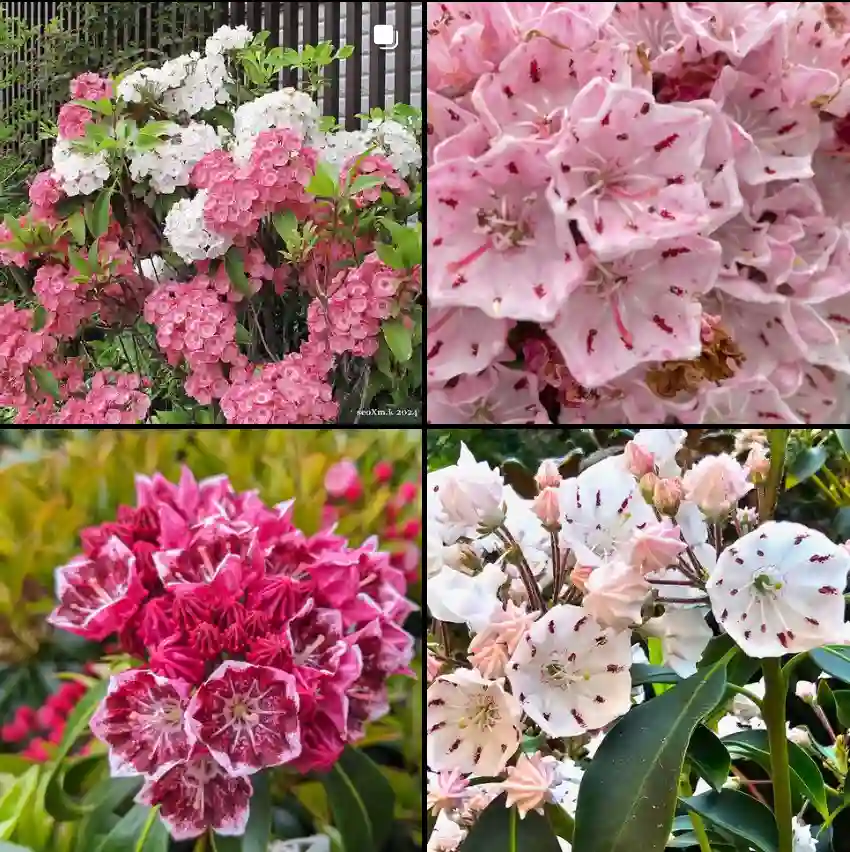
Beyond its beauty, what I love most is its adaptability. It fits into almost any landscape style—from cottage gardens to minimalist borders. Its flowers range from pink and white to deep crimson, and its foliage shifts color in fall, offering multi-season interest.
It’s also a pollinator magnet. Bees and butterflies swarm my shrubs every summer, adding life to the garden in more ways than one.
Final Thoughts
So if you’ve ever wondered how to care for Spiraea Japonica, when to prune Spiraea Japonica, or if Spiraea Japonica is poisonous to dogs, I hope my personal insight helps clear things up. It’s a reliable, non-toxic, and rewarding shrub that just asks for sunlight, occasional pruning, and a little water.

If i die, water my plants!